



What's Happening?
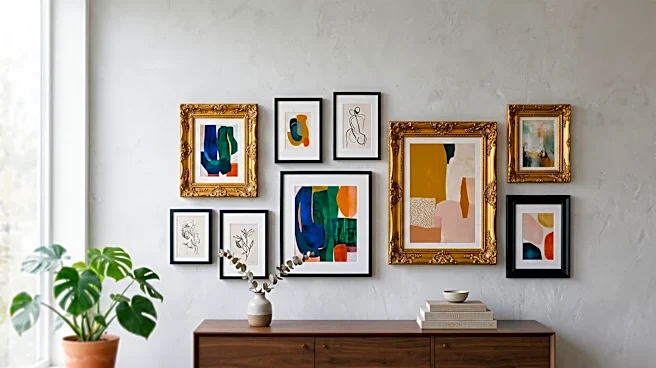
Gen Z is challenging traditional interior design rules by incorporating elaborate rococo and antique frames with 20th-century art, modern prints, and even smart TVs in gallery walls, according to House Beautiful. This approach breaks a long-standing design tradition that
advised against pairing modern works with ornate frames. Art and antiques dealer Heather Karlie Vieira notes that this 21st-century trend reflects a broader interest in seeing old items in new ways, merging contemporary and antique aesthetics. Gallerist and art advisor Hutton Kalik observes that while antique frames remain popular, the art placed within them has evolved, with buyers now pairing them with newer media like movie posters. The appeal lies in the contrast created by mixing styles, which adds unexpected interest and dimension to a room, making the design more personal and layered. Designers suggest mixing simple frames with ornate ones, maintaining a golden ratio of 1:3, or unifying ornate frames with a single finish to create a cohesive collection.
Why It's Important?
This shift in interior design, driven by Gen Z, signifies a broader cultural movement towards personalization and the reinterpretation of historical aesthetics. For the U.S. interior design industry, this trend opens new avenues for product development and marketing, particularly in the vintage and antique frame markets, as well as custom framing services. Retailers and designers who adapt to this eclectic style can cater to a growing demographic that values unique, curated spaces over rigid design conventions. The emphasis on mixing eras and styles also encourages consumers to explore flea markets and estate sales for vintage frames, potentially boosting the resale market for antique decor. Furthermore, it highlights the evolving role of art and decor in personal expression, moving away from prescriptive rules towards more individualistic and bold design choices. This trend could influence how art is displayed in commercial spaces and public institutions, fostering more dynamic and engaging environments.
What's Next?
The continued adoption of this trend by Gen Z suggests that interior design will likely see further blending of historical and contemporary elements. Manufacturers of frames and home decor may begin to offer more diverse collections that cater to this eclectic taste, including lightweight resin frames designed to mimic antique styles or custom matting services for vintage finds. Interior designers will need to integrate these mixed-era approaches into their portfolios to remain competitive and relevant to younger clients. Educational content and workshops on creating cohesive gallery walls with varied frames could become more prevalent, guiding consumers on how to achieve this look effectively. Additionally, the trend might inspire other design sectors to experiment with contrasting elements, leading to broader innovations in furniture, textiles, and architectural finishes that combine different historical periods or styles.
Beyond the Headlines
Beyond the immediate aesthetic impact, this trend reflects a deeper cultural inclination towards sustainability and conscious consumption. By repurposing antique frames, Gen Z is not only creating unique decor but also engaging in a form of upcycling, reducing demand for new manufacturing and extending the life of existing objects. This aligns with a growing environmental consciousness among younger generations, where vintage and second-hand items are valued for their character and reduced ecological footprint. Ethically, it promotes a more inclusive view of art and design, where personal connection and creative expression take precedence over strict adherence to traditional rules. This could lead to a more democratic and accessible art market, as individuals are encouraged to find value and beauty in a wider range of objects and styles, fostering a sense of individuality and storytelling within their living spaces.