









What's Happening?
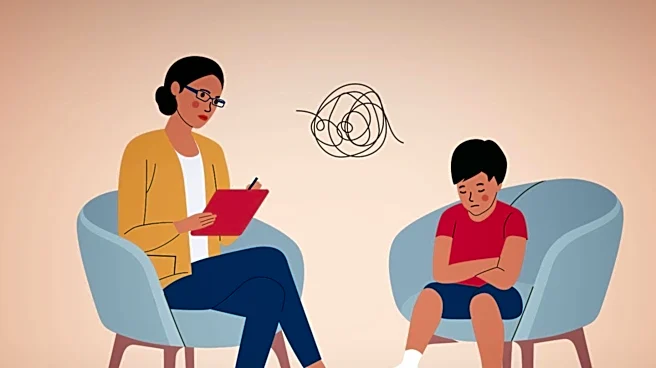
Burnout often manifests gradually through subtle changes, such as a loss of enjoyment in usual activities, increased irritation, or weekends becoming solely for recovery. These early warning signs are frequently overlooked in busy lives, leading to deeper
depletion beyond mere physical tiredness. To proactively prevent burnout, individuals are encouraged to engage in reflective check-ins. Key questions include: 'Am I tired, or am I depleted?' to distinguish between needing rest versus a more fundamental change, and 'What am I doing out of obligation rather than intention?' to identify and potentially reduce unnecessary commitments. The practice also emphasizes engaging in activities purely for enjoyment, without the pressure of productivity or self-improvement.
Why It's Important?
This proactive approach to burnout prevention is crucial for maintaining mental health and productivity across all sectors in the U.S. workforce. By identifying and addressing early signs of burnout, individuals can avoid reaching a state of severe exhaustion that requires extensive recovery time, thereby reducing absenteeism and presenteeism. For employers, fostering a culture that encourages these reflective practices can lead to a more engaged, resilient, and healthier workforce. It can also mitigate the significant costs associated with burnout, including healthcare expenses, decreased productivity, and employee turnover. Promoting self-awareness and boundary-setting contributes to a sustainable work environment and improved overall societal well-being.
What's Next?
Individuals can integrate these reflective check-ins into their weekly routines, perhaps by dedicating a few minutes to self-assessment. This involves consciously asking the suggested questions and honestly evaluating their responses. Based on these insights, they might consider declining new obligations, delegating tasks, or simplifying existing commitments. Employers could support this by promoting mental health awareness, offering resources for stress management, and encouraging a work culture that respects personal boundaries and leisure time. Implementing policies that allow for flexibility and prioritize employee well-being can further empower individuals to act on the insights gained from their reflective check-ins, preventing burnout before it escalates.
Beyond the Headlines
The emphasis on reflective check-ins and distinguishing between tiredness and depletion highlights a critical shift in understanding mental well-being. It moves beyond superficial solutions like more sleep to address deeper issues of purpose, intention, and personal boundaries. This approach challenges the societal pressure to constantly be productive and to derive self-worth from external achievements. By encouraging activities purely for enjoyment, it advocates for a re-integration of play and intrinsic motivation into adult life, which can have profound effects on creativity, emotional resilience, and overall life satisfaction. This could lead to a cultural re-evaluation of what constitutes a 'full' or 'successful' life, prioritizing inner well-being over relentless external pursuit.