








What's Happening?
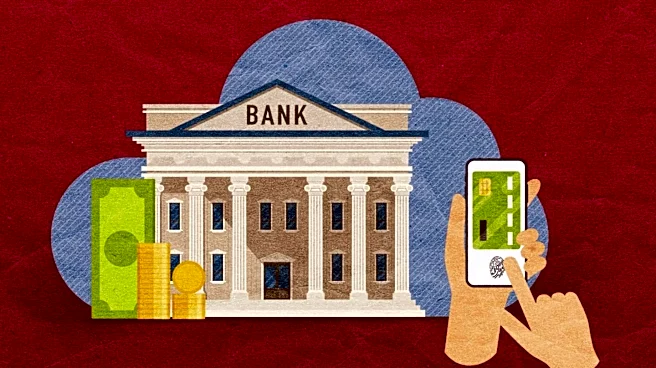
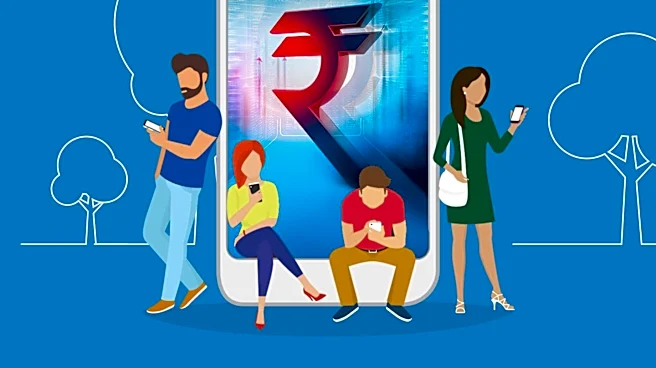
Traditional banks are experiencing a decline in engagement from Generation Z customers, primarily due to a mismatch between their services and the digital-first expectations of this demographic. Gen Z, born between 1997 and 2012, has grown up with smartphones
and social media, leading them to expect instant, app-centric, transparent, and low-fee financial services. Key pain points cited by Gen Z include the necessity of branch visits, slow onboarding processes, various fees and minimum balance requirements, low returns on savings, and inadequate customer support. In contrast, fintech applications and neo-banks offer quick account setup, real-time financial insights, and user-friendly interfaces, which align more closely with Gen Z's preferences. While traditional banks offer regulatory security and a full range of products, their operational models often struggle to keep pace with the speed and convenience offered by digital alternatives.
Why It's Important?
This shift in banking preferences among Gen Z has significant implications for the U.S. financial industry. Traditional banks risk losing a crucial demographic that will soon represent a substantial portion of the economic landscape. The inability to attract and retain younger customers could lead to long-term challenges in growth and market share. The rise of fintech and neo-banks highlights a broader trend towards digital transformation in financial services, pushing traditional institutions to innovate or risk obsolescence. For consumers, this competition can lead to more diverse and tailored financial products, potentially offering better rates and more convenient services. However, it also raises questions about the balance between innovation, security, and regulatory oversight, as fintechs often operate with different regulatory frameworks than established banks.
What's Next?
In response to these trends, traditional banks are actively upgrading their digital platforms, launching digital-only sub-brands, and forming partnerships or acquiring fintech companies to accelerate innovation. They are also focusing on offering zero-balance accounts, investing in financial education for younger audiences, and utilizing AI for improved customer support. The future of banking is likely to see a blurring of lines between traditional banks and technology companies, with embedded finance and personalized AI-driven guidance becoming more prevalent. For Gen Z, a hybrid approach, combining the security of regulated banks with the convenience of fintech apps, is emerging as a practical solution. Banks that successfully adapt their culture and technology to meet these evolving expectations will be better positioned to secure the loyalty of this generation for their long-term financial needs.
Beyond the Headlines
The evolving banking landscape for Gen Z extends beyond mere technological preferences, touching upon deeper societal and ethical considerations. Gen Z is often characterized as values-driven, prioritizing data privacy, ethical practices, environmental impact, and transparent communication. This means that banks' reputations, their stance on social issues, and the clarity of their fee structures play a significant role in attracting this demographic. The reliance on social media for financial education also introduces a new dynamic, where trust is increasingly placed in peers and online personalities rather than traditional institutions. This shift necessitates that banks not only offer superior digital experiences but also cultivate a brand image that resonates with Gen Z's values, emphasizing transparency and social responsibility to build lasting trust.