







What's Happening?
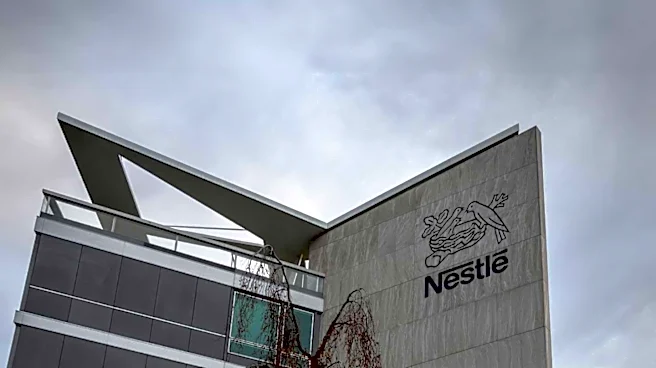
Nestlé, the world's largest food and beverage company, is actively promoting an inclusive workplace culture and prioritizing the recruitment of veterans and individuals with disabilities within its U.S. operations. The company, which employs over 30,000
people in the U.S. and more than 270,000 worldwide, views diversity as a business imperative. Nestlé highlights that skills gained through military service, such as flexibility, agility, and leadership, are highly valued and align with the qualities needed for success within the organization. Furthermore, Nestlé recognizes the significant engagement and innovation demonstrated by individuals with disabilities and actively seeks to integrate them into its workforce. The company ensures equal employment opportunities for all applicants, regardless of race, color, religion, sex, sexual orientation, gender identity, national origin, disability, or veteran status, and offers accommodations for recruitment processes.
Why It's Important?
This initiative by Nestlé is important as it underscores a growing trend among major U.S. corporations to foster diverse and inclusive work environments. By actively recruiting veterans, Nestlé contributes to addressing the employment challenges faced by service members transitioning to civilian life, leveraging their unique skill sets for corporate success. Similarly, the focus on individuals with disabilities promotes equitable employment practices and taps into a talented, often underutilized, segment of the workforce. This approach not only aligns with social responsibility but also offers business benefits, as diverse teams are often linked to increased innovation, productivity, and employee engagement. For the U.S. economy, such efforts by large employers like Nestlé can set a precedent, encouraging other companies to adopt similar inclusive hiring strategies, thereby strengthening the overall labor market and promoting social equity.
What's Next?
Nestlé is expected to continue its efforts in fostering an inclusive workplace and actively recruiting diverse talent. The company's commitment to providing accommodations during the recruitment process suggests ongoing support for individuals with varying needs. Future steps may involve expanding partnerships with veteran support organizations and disability advocacy groups to further streamline recruitment pipelines. Internally, Nestlé will likely continue to develop and implement training programs that promote diversity and inclusion, ensuring that its workplace culture remains welcoming and supportive for all employees. The company's emphasis on continuous improvement and innovation indicates that these initiatives will be regularly reviewed and adapted to meet evolving needs and best practices in inclusive employment.
Beyond the Headlines
Beyond the immediate benefits of employment, Nestlé's commitment to inclusivity has broader societal implications. By championing the employment of veterans and individuals with disabilities, Nestlé contributes to breaking down societal barriers and challenging stigmas associated with these groups. This approach can lead to a more integrated and understanding society, where diverse contributions are recognized and valued. Ethically, it reinforces the idea that corporations have a role to play in social good, extending beyond profit generation. Culturally, it helps to normalize diversity in the workplace, potentially influencing public perception and encouraging other sectors to adopt similar progressive hiring practices. This long-term shift could lead to a more equitable and representative workforce across the U.S., fostering a stronger sense of community and shared opportunity.