




What's Happening?
Respire, Fire and Ice (RFI), a wellness center, has opened its second location in San Luis Obispo, California, following its initial opening in Visalia in 2024. The new facility aims to foster a sense of community while offering contrast therapy, which
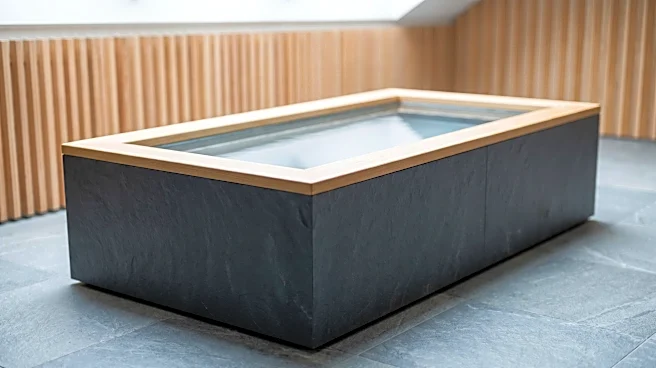
involves alternating between saunas and cold plunges. General Manager Jacob Bilvado envisions RFI as a 'wellness social club' where individuals can engage in health practices and socialize. The concept originated during the COVID-19 pandemic when brothers Brit and Tyler Baxley hosted ice bath gatherings in their backyard, eventually expanding to include a sauna and attracting over 200 participants. The San Luis Obispo center features four cold tubs ranging from 35 to 50 degrees Fahrenheit and three six-person saunas set between 200 to 230 degrees Fahrenheit. Customers, like Evan Macelwee, utilize the contrast therapy for post-workout and post-surfing recovery, reporting feelings of relaxation and increased energy. Masaki Wakui, a Japanese customer, expressed excitement about the center, noting the lack of a similar sauna culture in the U.S. since his relocation.
Why It's Important?
The expansion of RFI into San Luis Obispo highlights a growing trend in the U.S. wellness industry towards specialized facilities offering alternative health practices like contrast therapy. This development is significant as it caters to an increasing consumer interest in holistic well-being, stress reduction, and physical recovery methods. The emphasis on community building within these wellness spaces also addresses a broader societal need for social connection, particularly in a post-pandemic environment. For local economies, the establishment of such centers can create jobs and attract clientele, contributing to the vitality of the service sector. The integration of practices like cold plunges and saunas, which RFI claims can reduce inflammation, chronic pain, stress, and improve sleep and blood pressure, reflects a shift in consumer preferences towards proactive health management. The center's appeal to individuals seeking a 'nervous system reset' or a morning energy boost indicates a market demand for accessible and structured wellness routines.
What's Next?
RFI plans to further integrate into the local San Luis Obispo community by hosting events such as live music, DJ performances, and coffee shop pop-ups. This strategy aims to enhance the social club aspect of the wellness center, attracting a wider demographic and strengthening local partnerships. The center will continue to educate its members on the benefits of contrast therapy through research pamphlets and books, encouraging a deeper understanding of the physiological impacts of heat and cold exposure. Customers are expected to progress through varying levels of temperature extremes, gradually increasing their tolerance and maximizing the therapeutic effects. The success of RFI's community-focused approach could influence other wellness businesses to adopt similar models, potentially leading to a broader trend of social wellness hubs across the U.S. The center's ability to cultivate a strong community and demonstrate tangible health benefits will be crucial for its sustained growth and influence in the wellness market.
Beyond the Headlines
The emergence of wellness centers like RFI, which blend physical therapy with social engagement, points to a deeper cultural shift in how Americans approach health and community. The concept of contrast therapy, while rooted in ancient practices, is gaining modern traction as individuals seek non-pharmaceutical methods for managing stress and improving overall well-being. The center's success in attracting customers like Masaki Wakui, who noted the absence of a 'sauna culture' in the U.S., suggests a potential for cultural exchange and the adoption of global wellness traditions. This trend could lead to a re-evaluation of public spaces, moving beyond traditional gyms to more comprehensive wellness hubs that prioritize both physical and mental health through communal experiences. The emphasis on disconnecting from digital devices within the sauna environment also highlights a growing awareness of the need for digital detox and genuine human interaction in an increasingly connected world. This movement could foster a more resilient and connected society, where wellness is viewed not just as an individual pursuit but as a collective endeavor.