


What's Happening?
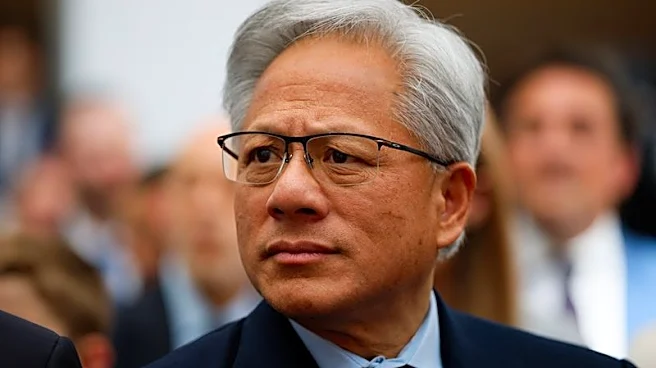
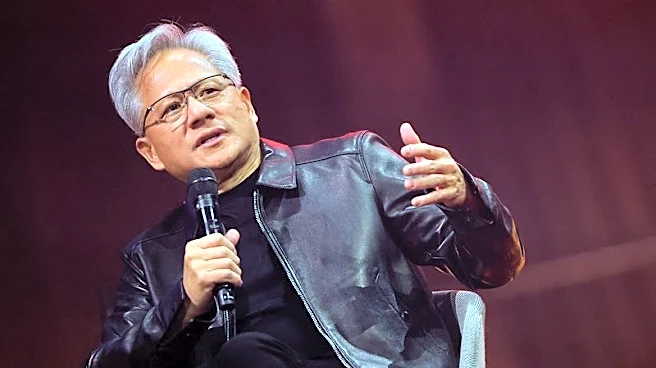
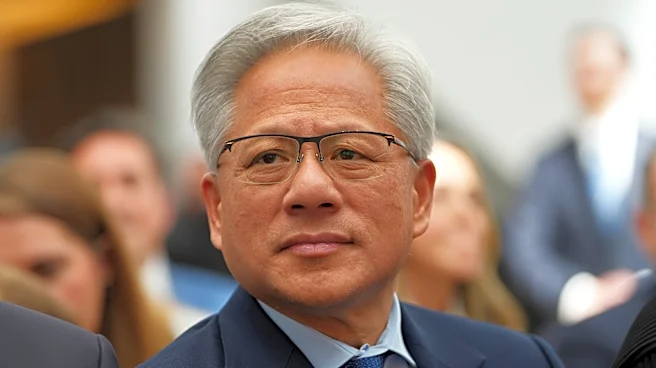
Nvidia CEO Jensen Huang is currently under investigation by the company's board of directors following reports that he was the target of a foreign intelligence effort. Huang has admitted to having an extramarital affair, stating he was "unfaithful" and
takes full responsibility for his actions. While Huang did not name the individual, U.S. officials reportedly suspect the person involved fed intelligence to China and assisted in smuggling advanced AI chips into the country. This controversy highlights a significant vulnerability in the AI industry, where many powerful companies are heavily reliant on a single leader. Experts like Dan Ives of Yorkville Ives & Co. note that while powerful CEOs are not new, the current concentration of leadership in the critical AI sector is unprecedented. Jeffrey Sonnenfeld, a Yale professor, criticized the "solar system model" of leadership prevalent in these companies, emphasizing the lack of robust succession planning at Nvidia, where Huang reportedly has 60 direct reports.
Why It's Important?
The investigation into Jensen Huang exposes a critical "key man risk" within the rapidly expanding artificial intelligence industry. Nvidia, a $4.5 trillion company central to the AI boom, is deeply intertwined with Huang's leadership, making any disruption to his role a significant concern for investors, Wall Street, and Washington. The potential for foreign intelligence involvement further complicates matters, raising national security implications regarding the control and flow of advanced AI technology. This situation underscores the fragility of companies whose fortunes are tied to a single, indispensable individual, especially in a sector as strategically vital and secretive as AI. The lack of a clear succession plan at Nvidia, as highlighted by experts, could lead to instability and uncertainty, potentially impacting the company's strategic direction, market confidence, and its crucial role in the global AI ecosystem.
What's Next?
Nvidia's board of directors will continue its investigation into the reports surrounding Jensen Huang. The outcome of this investigation could have significant repercussions for Huang's leadership and Nvidia's future. Jeffrey Sonnenfeld suggests there's a 50/50 chance Huang retains his position, noting the difficulty of simultaneously running Nvidia while facing multiple investigations. Potential scenarios include Huang being elevated to a symbolic role, or the board seeking an experienced external tech CEO with AI expertise, such as former Google CEO Eric Schmidt, to take over direct management. The situation may also prompt increased scrutiny from congressional committees, given the national security implications of foreign intelligence involvement and the smuggling of AI chips. The broader AI industry may also face calls for more robust corporate governance and succession planning to mitigate similar "key man risks" in the future.
Beyond the Headlines
This incident delves into the deeper ethical and security dimensions of corporate leadership in critical technological sectors. The alleged involvement of foreign intelligence in an affair with a top CEO raises serious questions about corporate espionage, national security vulnerabilities, and the personal conduct of executives in positions of immense power. It highlights how personal indiscretions can have far-reaching geopolitical and economic consequences, especially when intertwined with sensitive technologies like AI. The controversy also brings to the forefront the debate around the cult of personality in tech leadership, where founders become synonymous with their companies, potentially overshadowing corporate governance and succession planning. This event could trigger a broader re-evaluation of how boards manage executive risk, particularly in industries deemed vital for national interests, and may lead to enhanced security protocols and ethical guidelines for top executives in the tech sector.