





What's Happening?
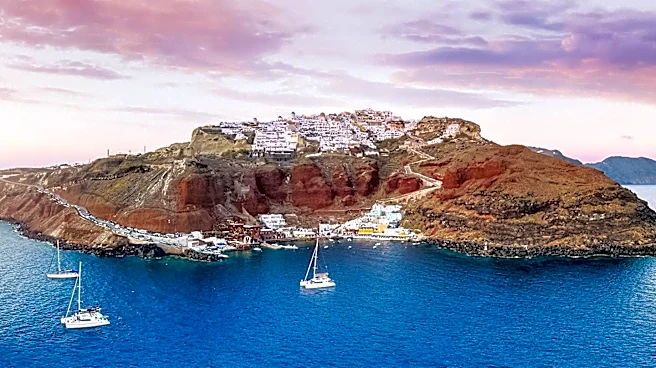
Santorini, Greece, is celebrated for its distinctive whitewashed villages, particularly Fira, which is dramatically situated along the caldera cliffs. The island provides expansive views of the Aegean Sea and its volcanic caldera, punctuated by iconic
blue-domed churches. Visitors to Santorini can delve into historical sites such as Akrotiri, an ancient settlement preserved under volcanic ash, or embark on boat excursions to the Santorini Volcano to experience its unique geological landscape. The island is also known for its distinctive wines, especially the Assyrtiko variety, cultivated in its volcanic soil, with local wineries offering tasting experiences. Accommodation options range from luxury establishments like the De Sol 5-Star Hotel & Spa to various dining venues, including the Caldera Restaurant, which serves Mediterranean and local cuisine with panoramic caldera views. The island is well-connected to Athens (Piraeus) via regular ferry services, ensuring accessibility for travelers.
Why It's Important?
Santorini's appeal as a premier tourist destination significantly contributes to the Greek economy, particularly through its robust tourism sector. The island's unique geological formations, historical sites, and cultural offerings attract a global audience, generating substantial revenue from hospitality, tours, and local commerce. The preservation of sites like Akrotiri and the promotion of local products such as volcanic wines highlight the importance of cultural heritage and sustainable tourism practices. The accessibility of Santorini via ferry from major hubs like Athens underscores Greece's integrated tourism infrastructure, facilitating travel and supporting local businesses across multiple regions. The continuous influx of tourists supports employment in various sectors, from hotels and restaurants to tour operators and local artisans, making Santorini a vital economic engine for the Cycladic islands and Greece as a whole.
What's Next?
Santorini is expected to continue its focus on enhancing visitor experiences while managing the environmental impact of tourism. Efforts may include further development of eco-tourism initiatives, such as promoting sustainable wine production and preserving archaeological sites. The local tourism industry will likely continue to offer diverse tour packages, including boat trips to the volcano and wine-tasting tours, to cater to varied interests. Infrastructure improvements, particularly in transportation and accommodation, are anticipated to support the growing number of visitors. Additionally, there may be an increased emphasis on digital platforms for booking and information, streamlining the travel experience for international tourists. The island's stakeholders will likely work towards balancing economic growth with the preservation of its unique natural and cultural landscape.
Beyond the Headlines
Beyond its picturesque facade, Santorini embodies a delicate balance between natural beauty, historical depth, and modern tourism. The island's volcanic origins have not only shaped its dramatic landscape but also influenced its unique agricultural products, such as the distinct Assyrtiko wine, which reflects a deep connection between the land and its produce. The archaeological site of Akrotiri offers a profound glimpse into ancient civilizations, raising questions about preservation and the impact of natural disasters on human history. The ongoing challenge for Santorini lies in managing the high volume of tourism to prevent over-commercialization and environmental degradation, ensuring that its cultural authenticity and natural allure are maintained for future generations. This dynamic interplay between economic development and cultural preservation is a critical aspect of the island's long-term sustainability.