


What's Happening?
Luxury home theater design is evolving to accommodate both dedicated rooms and multipurpose spaces, as well as existing homes. While dedicated rooms offer optimal flexibility for acoustics, lighting, and video performance, sophisticated entertainment
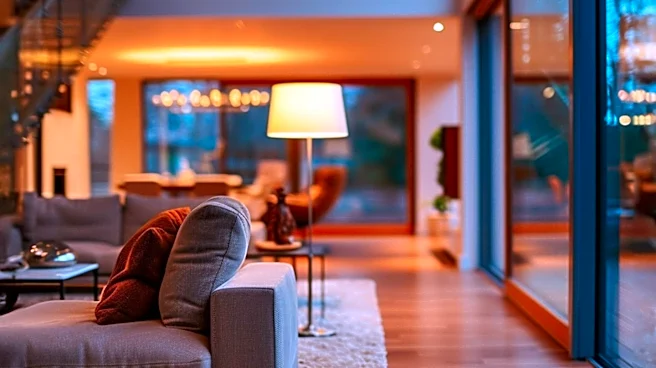
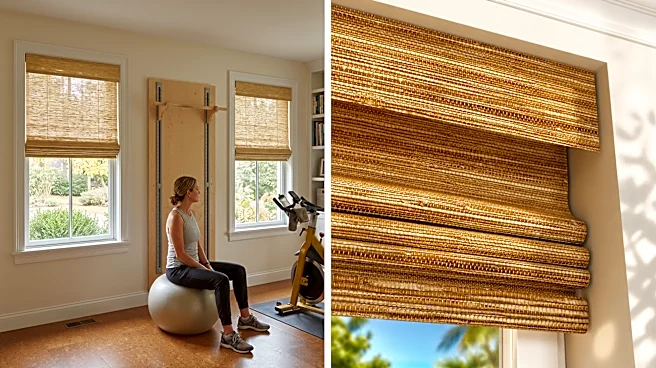
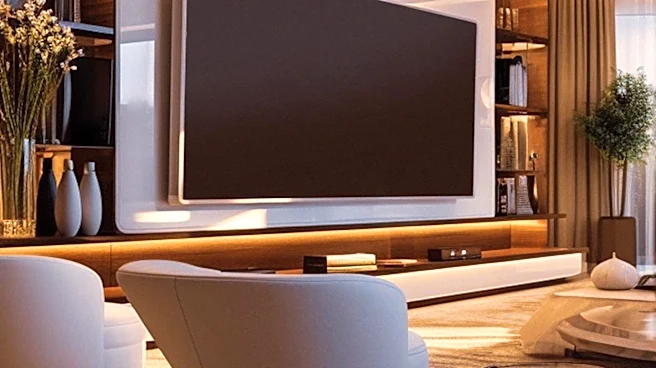
systems can now be integrated into multi-purpose rooms and existing structures. The approach to design depends on factors such as room dimensions, existing wiring, electrical conditions, and the desired system. Home theater technology can be retrofitted into existing homes, with the timeline varying based on project scope, from installing technology in a prepared room to extensive construction and acoustic treatments. The choice between projection and large-format televisions also depends on room conditions and intended use.
Why It's Important?
This shift in luxury home theater design reflects a broader consumer trend towards maximizing the utility and flexibility of living spaces. Homeowners are increasingly seeking high-quality entertainment experiences without necessarily dedicating an entire room solely for that purpose. This development is significant for the home technology and interior design industries, as it expands the market for advanced AV solutions beyond new constructions and dedicated entertainment spaces. It also empowers homeowners to upgrade their existing residences with cutting-edge technology, enhancing property value and lifestyle. The ability to retrofit systems makes luxury home theaters more accessible to a wider range of homeowners, driving innovation in discreet integration and adaptable design.
What's Next?
The future of luxury home theater design will likely see continued advancements in technology that allow for even more seamless integration into diverse home environments. This includes innovations in wireless audio and video transmission, more compact and powerful projection systems, and smart home automation that can transform a multipurpose room with the touch of a button. The industry will also focus on personalized experiences, with designers tailoring solutions to individual preferences and the specific architectural nuances of each home. As technology becomes more sophisticated and less intrusive, the line between dedicated and multipurpose entertainment spaces will continue to blur, offering homeowners unprecedented flexibility.
Beyond the Headlines
The evolution of luxury home theater design into multipurpose and existing spaces highlights a cultural shift towards valuing integrated living and personalized experiences. It suggests that homes are becoming more than just places to live; they are dynamic environments that adapt to various activities, from work and relaxation to entertainment and social gatherings. This trend also raises questions about the balance between technology and aesthetics, as designers strive to incorporate advanced systems without compromising the overall look and feel of a home. Furthermore, the emphasis on retrofitting existing homes underscores a growing interest in sustainable design practices, where upgrading and optimizing current structures is preferred over constant new construction, aligning with broader environmental consciousness.