








What's Happening?
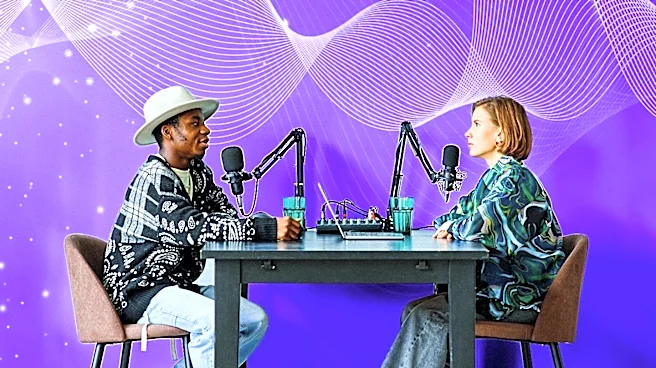
Erin Andrews and Charissa Thompson, both long-time employees of Fox Sports, have publicly stated their stance against bringing iced coffee to job interviews. During a recent episode of their podcast, 'Calm Down,' which has joined Colin Cowherd's The Volume
network, they discussed the ongoing online debate regarding the appropriateness of such an action. Andrews argued that it is 'inappropriate' due to potential messiness from condensation and the lack of a guaranteed coaster. Thompson concurred, emphasizing that a job interview should be taken seriously, and bringing a recreational drink could signal a lack of respect for the interviewer's time and the gravity of the situation. They suggested that the only items an applicant should carry are a resume and portfolio, implying that a casual approach could be perceived as not taking the opportunity seriously.
Why It's Important?
This discussion highlights evolving perceptions of professionalism in the workplace, particularly within the U.S. job market. While seemingly a minor point, the debate reflects broader societal expectations regarding decorum and respect in formal settings. For job seekers, understanding such unwritten rules, especially from prominent figures in industries like sports media, can be crucial for making a positive first impression. The opinions of established professionals like Andrews and Thompson, who are involved in hiring and interviewing, could influence how candidates present themselves, particularly in competitive fields. This perspective suggests that even small details in presentation can impact an applicant's perceived seriousness and professionalism, potentially affecting their chances of employment. It also underscores a generational or cultural divide in what constitutes appropriate behavior in professional interactions.
What's Next?
The 'iced coffee at a job interview' debate is likely to continue, with varying opinions across different industries and demographics. While Andrews and Thompson's stance offers a clear guideline for those seeking employment, particularly within the sports media sector or companies where they hold influence, it may not be universally adopted. Job applicants might increasingly consider such seemingly minor details as part of their interview preparation, weighing the potential impact of their choices on their professional image. The ongoing discussion could also prompt more open conversations within companies about their specific expectations for interview conduct, potentially leading to clearer guidelines for candidates. Ultimately, this debate contributes to the broader dialogue about workplace etiquette and the subtle cues that shape professional perceptions.
Beyond the Headlines
Beyond the immediate advice for job seekers, this conversation touches upon deeper cultural norms and expectations within professional environments. The emphasis on a resume and portfolio as the only acceptable items suggests a traditional view of professionalism that prioritizes formality and seriousness. This contrasts with a more relaxed, modern approach that some might argue fosters authenticity and comfort. The debate also subtly reflects power dynamics in interviews, where the interviewer's perception holds significant weight. It raises questions about whether such seemingly trivial details can inadvertently create barriers for candidates who may not be aware of or adhere to these unwritten rules. Furthermore, it highlights the influence of media personalities in shaping public discourse on everyday etiquette, potentially reinforcing certain standards of behavior in professional interactions.