





What's Happening?
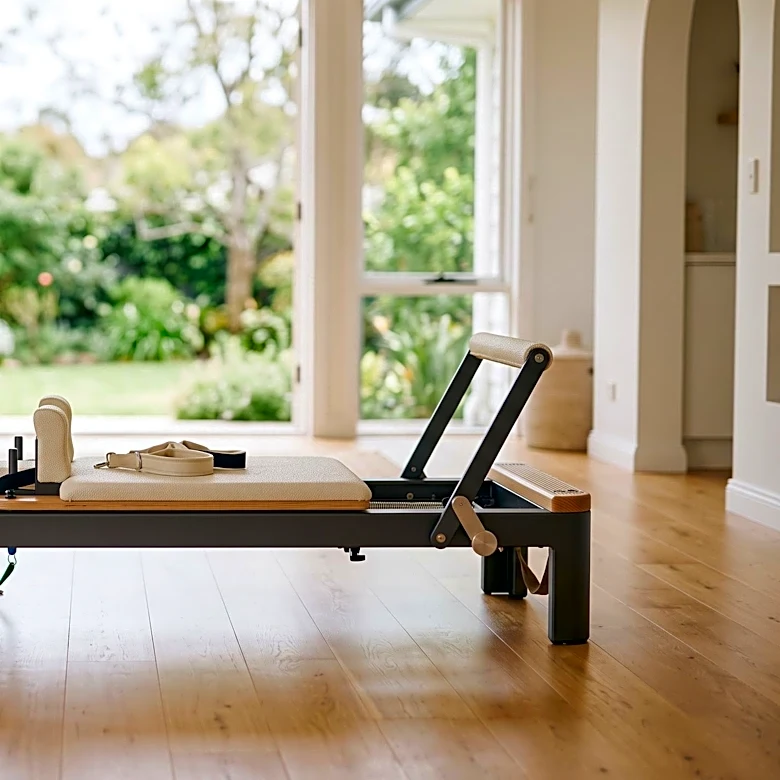
Reformer Pilates is a low-impact strength workout performed on a specialized machine featuring a padded platform that slides along rails. This machine utilizes springs for adjustable resistance, along with straps and a footbar, to facilitate a variety
of exercises. Unlike mat Pilates, which relies solely on body weight, Reformer Pilates incorporates springs and a sliding carriage to provide both resistance and support, making it adaptable for various fitness levels, from beginners to advanced practitioners. Classes typically last between 45 to 55 minutes in the U.S., with most studios accommodating newcomers. The method, originally called 'Contrology' by its founder Joseph Pilates in the early 20th century, emphasizes core strength, posture, alignment, and smooth, controlled movements. The reformer machine's main components include the carriage, springs of varying tensions, a footbar, shoulder blocks, adjustable straps, and a headrest. Instructors frequently adjust spring loads during a class to match the specific goals of each exercise, as more springs do not always equate to a harder workout; sometimes, lighter springs can increase the challenge by demanding more balance and control.
Why It's Important?
The growing popularity of Reformer Pilates in the U.S. signifies a broader trend towards low-impact, functional fitness that prioritizes core strength, flexibility, and injury prevention. This exercise method is particularly beneficial for individuals seeking to improve their physical well-being without the high-impact stress on joints often associated with other forms of exercise. Its adjustable resistance system makes it accessible to a wide demographic, including those recovering from injuries, older adults, and pregnant individuals, provided they consult with a doctor or physical therapist. The emphasis on controlled movements and body awareness can lead to significant improvements in balance and posture, which are crucial for daily activities and reducing the risk of falls, especially in the aging population. While not a substitute for cardiovascular exercise or heavy weight training, Reformer Pilates effectively complements these activities by building a strong foundation of core stability and flexibility, which can enhance performance and reduce injury risk in other sports and workouts. The increasing availability of studios across U.S. metro areas, with class prices typically ranging from $25 to $40, indicates its integration into mainstream fitness culture.
What's Next?
As Reformer Pilates continues to gain traction, the fitness industry is likely to see further expansion in specialized studios and instructor training programs. The demand for certified instructors, particularly those with comprehensive training across both mat and machine work, will increase to ensure safe and effective instruction. Innovations in reformer machine design may also emerge, offering more compact or technologically integrated options for home use, though studio classes will likely remain popular due to the hands-on instruction and community aspect. Research into the specific benefits of reformer versus mat Pilates may also become more refined, providing clearer evidence for its efficacy in various health outcomes beyond general Pilates studies. Furthermore, as awareness grows, more healthcare professionals may recommend Reformer Pilates as a therapeutic exercise for conditions like chronic low back pain, potentially leading to increased insurance coverage or integration into rehabilitation programs. The trend suggests a continued shift towards personalized and adaptable fitness solutions that cater to diverse physical needs and goals.
Beyond the Headlines
Beyond its immediate fitness benefits, the rise of Reformer Pilates reflects a cultural shift towards mindful movement and holistic well-being in the U.S. The practice's focus on precision, concentration, and breath encourages a deeper connection between mind and body, offering a mental reprieve from daily stressors in addition to physical conditioning. This aspect aligns with a growing societal emphasis on mental health and stress reduction through physical activity. The accessibility of Reformer Pilates, with its ability to be modified for various physical limitations, also highlights a move towards more inclusive fitness environments. It challenges the traditional 'no pain, no gain' mentality by demonstrating that effective strength building and physical improvement can be achieved through controlled, low-impact methods. This could influence future fitness trends, encouraging the development of exercise modalities that prioritize longevity, injury prevention, and overall quality of life over purely aesthetic or high-intensity goals. The investment in specialized equipment and certified instruction also underscores a consumer willingness to pay for quality, guided fitness experiences.