



What's Happening?
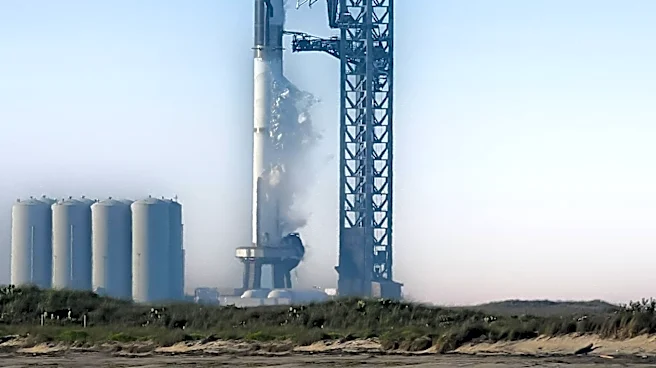
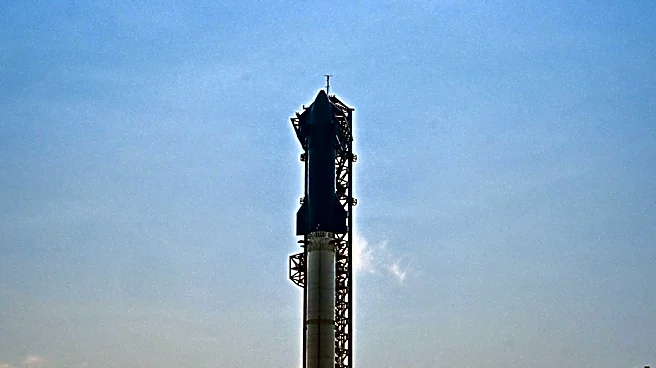
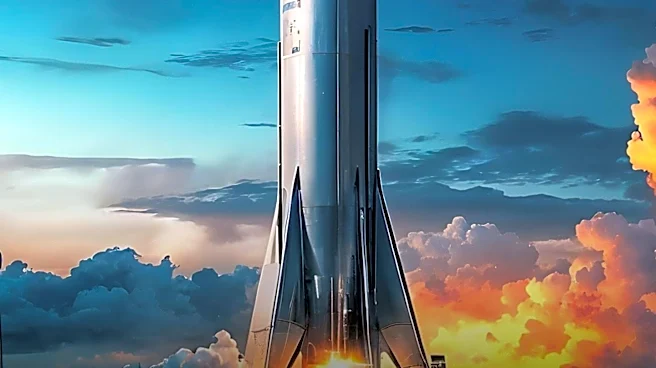
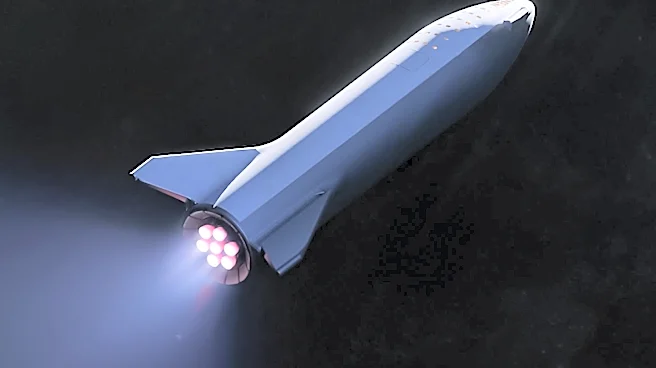
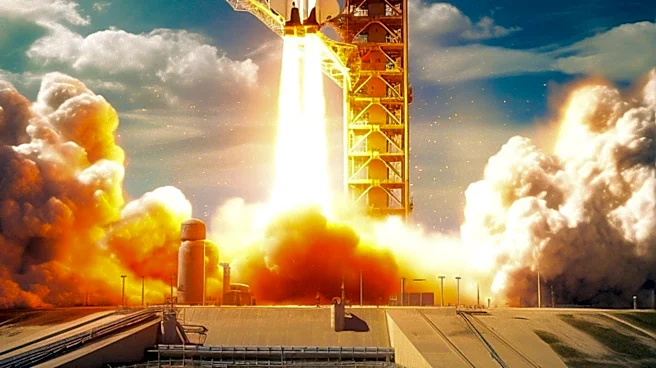
SpaceX has initiated dual flow operations at its Starbase facility, marking a significant step towards increasing its launch cadence. As of July 22, 2026, Booster 20 is positioned on Orbital Launch Pad 2 for Starship Flight 13, while Booster 21 is returning
from cryogenic proof testing, preparing for Flight 14. This operational strategy allows SpaceX to process multiple boosters simultaneously, reducing the gap between launches. The dual flow approach is essential for achieving the high frequency of flights necessary for SpaceX's goal of a fully reusable launch system.
Why It's Important?
The implementation of dual flow operations is crucial for SpaceX's ambition to support dozens of flights per year. This operational model enhances efficiency by allowing continuous processing of vehicles, which is vital for maintaining a rapid launch cadence. The ability to prepare multiple boosters concurrently is a significant advancement in SpaceX's infrastructure, supporting its long-term objectives of frequent and cost-effective space travel. This development is a positive indicator of SpaceX's progress towards achieving its ambitious goals, including the deployment of a large constellation of Starlink satellites and the potential for orbital data centers.
What's Next?
With the dual flow operations in place, SpaceX is poised to increase its launch frequency, which is essential for its future missions. The success of Starship Flight 13 will be a critical test of this new operational model. If successful, it will pave the way for Flight 14, which aims to demonstrate further advancements in reusability. SpaceX's ability to maintain and improve this operational tempo will be closely monitored by industry stakeholders and investors, as it directly impacts the company's capacity to meet its ambitious launch targets.