




What's Happening?
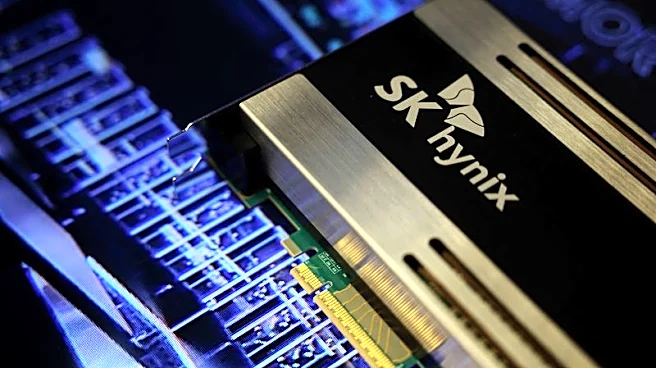
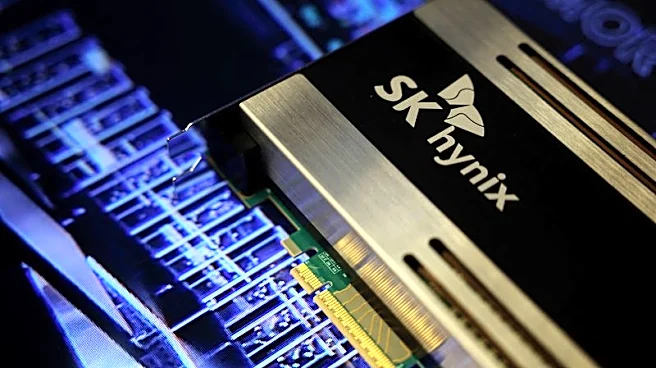
The CEO of SK Hynix, Kwak Noh-jung, has issued a warning that the global memory industry is expected to face its worst-ever supply shortages by 2027. This announcement was made during the company's Nasdaq trading debut. SK Hynix, a leading DRAM producer,
anticipates that the demand for memory will significantly exceed supply capabilities well into the next decade, despite efforts to expand production capacity. The company, along with other major players like Samsung and Micron, is prioritizing high-end memory products such as HBM and LPDDR5X, which has led to increased profits but also significant price hikes for consumer electronics. The shortages are driven by heightened demand from AI applications and long-term supply agreements, which have put additional pressure on the market.
Why It's Important?
The anticipated memory shortages have significant implications for the global technology industry, particularly in the U.S., where demand for advanced memory products is high. The shortages could lead to increased costs for consumer electronics, affecting everything from PCs to smartphones and gaming consoles. This situation underscores the critical role of memory in supporting AI infrastructure, which is a growing sector in the U.S. economy. Companies that rely on memory components may face challenges in maintaining production levels and managing costs, potentially impacting their competitiveness. The focus on premium memory products also opens opportunities for Chinese manufacturers to increase their market share by meeting domestic demand.
What's Next?
SK Hynix, along with Samsung and Micron, is planning multi-billion dollar expansions to address the anticipated shortages. These plans include building new fabrication facilities in South Korea and potentially in the U.S., Japan, and Southeast Asia. However, these expansions will take time to materialize, and the industry may continue to face tight supply conditions beyond 2030. The ongoing demand from AI and other advanced technologies will likely keep pressure on the memory market, necessitating strategic planning and investment from major industry players.