


What's Happening?
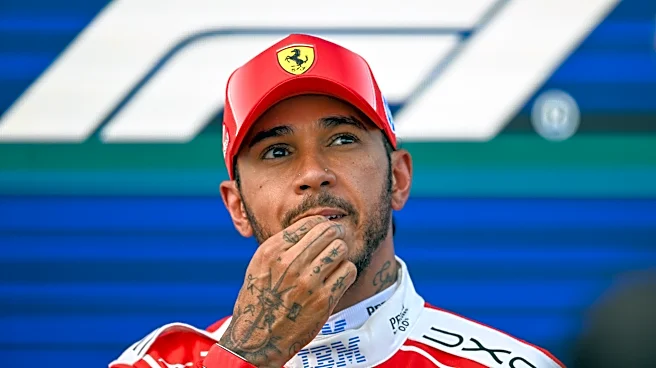
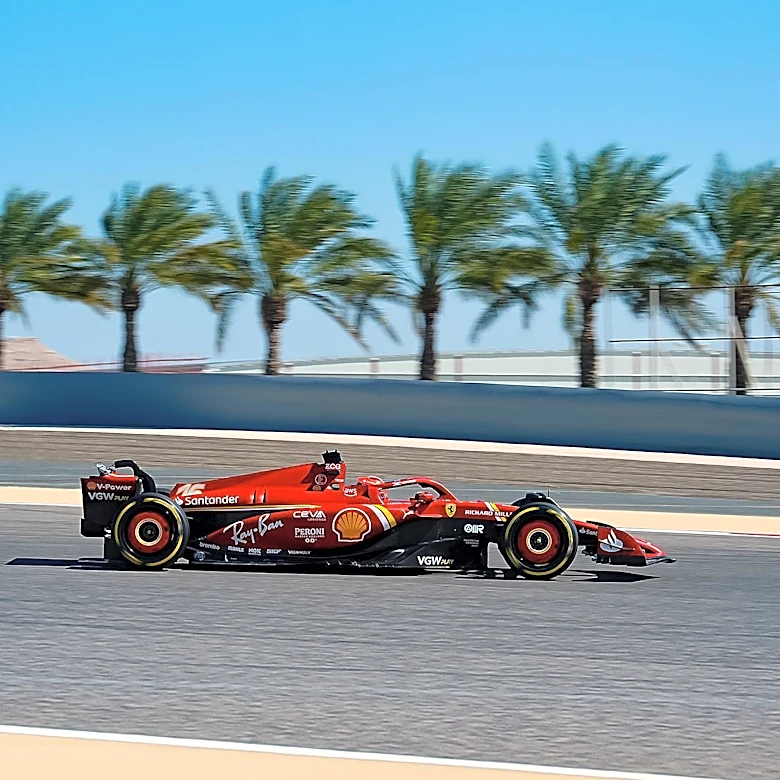
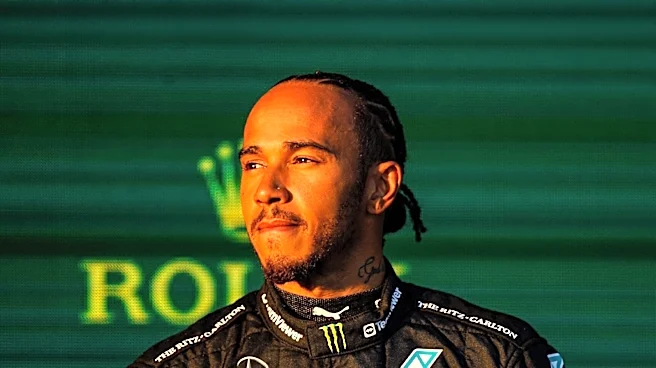
Christian Danner, a former Formula 1 driver, has attributed the ongoing on-track hostility between Ferrari drivers Lewis Hamilton and Charles Leclerc to a specific decision made by Ferrari during the Mexico City Grand Prix. According to Danner, Ferrari was
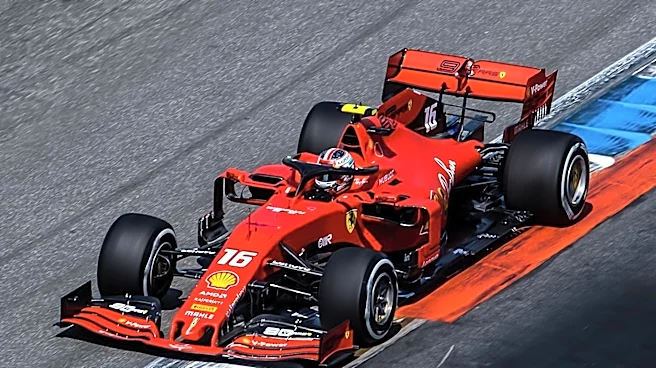
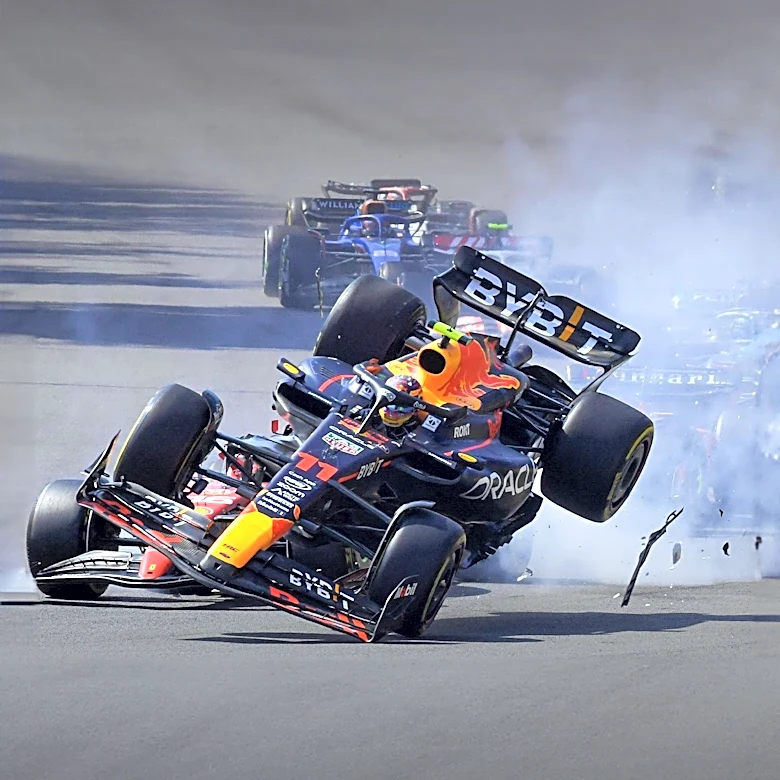
"utterly wrong" in not insisting that Charles Leclerc return his position to Lewis Hamilton after an incident at Turn 4. This decision, he argues, was the catalyst for the subsequent tensions between the two drivers. The incident in Mexico City followed an earlier clash between the two at the Italian Grand Prix in Monza, where Leclerc accepted responsibility for sending Hamilton off track. Most recently, the drivers made contact again in Las Vegas, resulting in a ten-second penalty for Leclerc. Danner suggests that while Hamilton publicly criticized Leclerc after Mexico, the blame for the escalating issues cannot be placed solely on Leclerc, but rather on Ferrari's handling of the situation.
Why It's Important?
This situation highlights the critical role of team management and strategy in high-stakes competitive environments like Formula 1. Ferrari's decision, or lack thereof, to intervene in the on-track battle between its drivers has reportedly led to internal friction, which can significantly impact team performance and morale. In a sport where every point and every position matters, internal conflicts can be detrimental to a team's championship aspirations. The dynamic between two highly competitive drivers, especially when not managed effectively, can lead to further incidents, penalties, and a loss of valuable points. This scenario also underscores the pressure on race directors and teams to interpret and apply regulations consistently, as Danner noted the pragmatic change introduced by former race director Niels Wittich, which placed more responsibility on teams to make immediate decisions regarding on-track incidents.
What's Next?
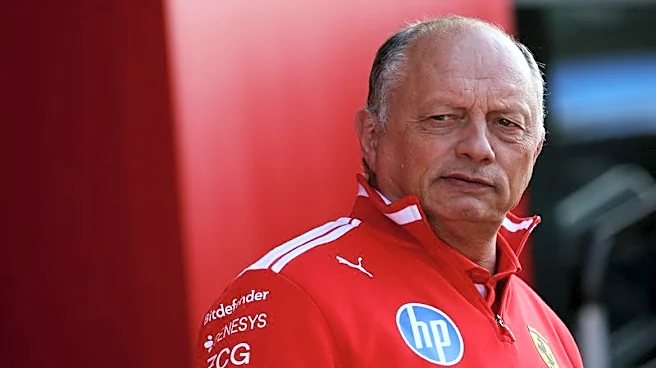
The ongoing tension between Lewis Hamilton and Charles Leclerc presents a significant challenge for Ferrari's team principal and management. They will likely need to implement clearer team orders or strategies to prevent further on-track clashes and ensure that both drivers can contribute effectively to the team's overall performance. The situation could lead to a re-evaluation of how Ferrari manages its drivers in competitive scenarios, potentially involving more direct intervention from the pit wall. Failure to address this issue could result in continued penalties, lost points, and a negative impact on the team's public image and championship prospects. The resolution of this internal conflict will be crucial for Ferrari as they navigate the remainder of the current season and plan for future competitions.
Beyond the Headlines
The Ferrari driver conflict extends beyond mere racing incidents, touching upon the psychological and strategic complexities inherent in elite sports teams. The concept of having "two number one drivers" often leads to internal competition that, while sometimes pushing performance, can also destabilize a team if not meticulously managed. This situation raises questions about the balance between fostering individual driver ambition and maintaining team cohesion. Ethically, it challenges the team's responsibility to its drivers and its overall objectives. Culturally, it reflects the intense pressure and scrutiny faced by high-profile sports organizations, where every decision is analyzed for its immediate and long-term consequences. The long-term implications could include changes in driver contracts, team management structures, or even the departure of one of the star drivers if the situation remains unresolved.