







What's Happening?
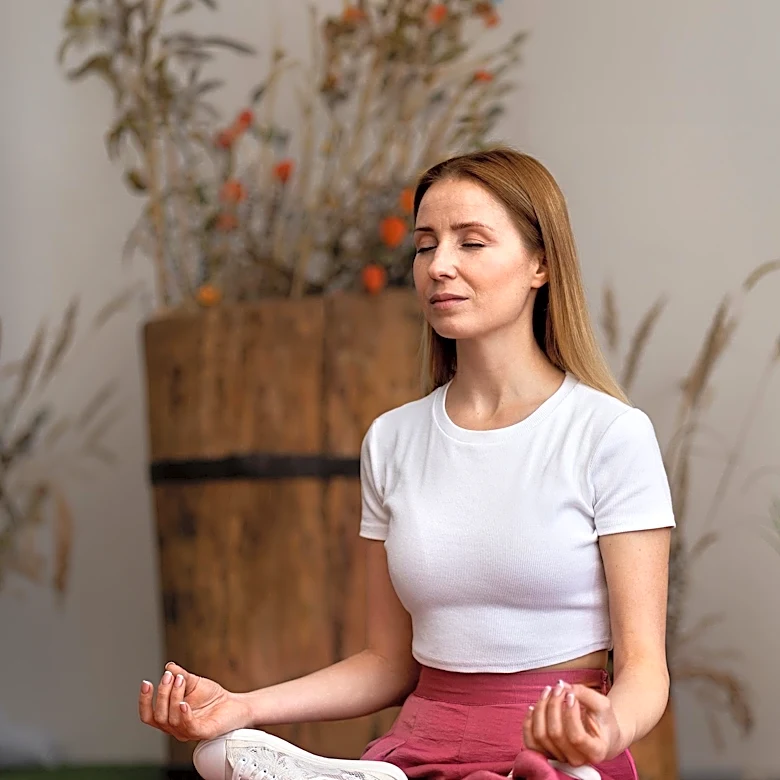
Mindfulness meditation encourages individuals to return to the present moment with kindness and curiosity, allowing thoughts, sensations, and feelings to arise and pass without judgment. This practice aims to prevent the mind from wandering into past
regrets or future anxieties, which often detract from current experiences. Tara Brach, a prominent meditation guide, leads practitioners through a structured approach that includes a gentle body scan, focused mindful breathing, and an expansion of awareness to encompass the entire body and surrounding environment. The meditation often concludes with a loving-kindness practice, extending compassion and wishes for peace to oneself and others. This repeated gentle return to the present fosters an inner stillness and a sense of loving presence, serving as a refuge amidst life's fluctuating experiences. The core idea is not to forcefully quiet the mind but to observe its natural tendencies and gently redirect attention to the present.
Why It's Important?
The emphasis on present moment awareness and self-compassion in mindfulness meditation holds significant importance for mental well-being. In a society often characterized by constant distractions and future-oriented stress, these practices offer a method for individuals to cultivate inner peace and reduce mental agitation. By learning to observe thoughts and feelings without getting carried away by them, practitioners can develop greater emotional regulation and resilience. The loving-kindness component extends this benefit beyond individual well-being, promoting empathy and connection with others, which can have positive ripple effects in personal relationships and broader community interactions. The ability to find a 'trusted refuge' within oneself through these practices can be crucial for navigating daily challenges and fostering a more stable and compassionate internal state, ultimately contributing to improved overall quality of life and mental health.
What's Next?
The continued integration of mindfulness meditation into daily routines and therapeutic practices is a foreseeable next step. As awareness of its benefits grows, more individuals may seek out guided meditations and mindfulness resources to manage stress, anxiety, and improve focus. The accessibility of mindfulness apps and online guided sessions suggests a trend towards broader adoption, making these practices more readily available to a diverse population. Further research into the neurological and psychological impacts of consistent mindfulness practice is also likely to continue, potentially leading to more refined techniques and targeted applications for specific mental health conditions. Additionally, the principles of mindfulness, such as non-judgmental awareness and compassion, may see increased application in educational settings, corporate wellness programs, and healthcare systems as tools for enhancing well-being and productivity.
Beyond the Headlines
Beyond the immediate benefits of stress reduction and improved focus, mindfulness meditation touches upon deeper philosophical and ethical dimensions. It encourages a shift from a reactive mode of living to a more intentional and aware existence, fostering a greater sense of agency and inner freedom. The practice of observing thoughts and emotions without attachment can lead to profound insights into the nature of consciousness and the self, potentially altering one's relationship with suffering and impermanence. Ethically, the extension of loving-kindness to all beings cultivates a sense of interconnectedness and universal compassion, which can inspire more altruistic behaviors and a greater commitment to social harmony. This cultivation of inner peace and outward compassion has the potential to contribute to a more mindful and empathetic society, fostering a culture of understanding and mutual respect.