




What's Happening?
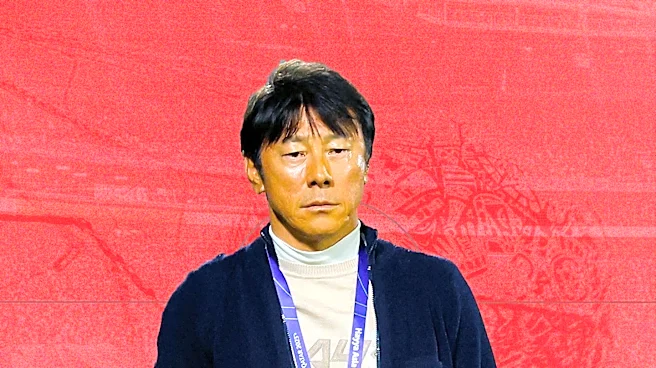
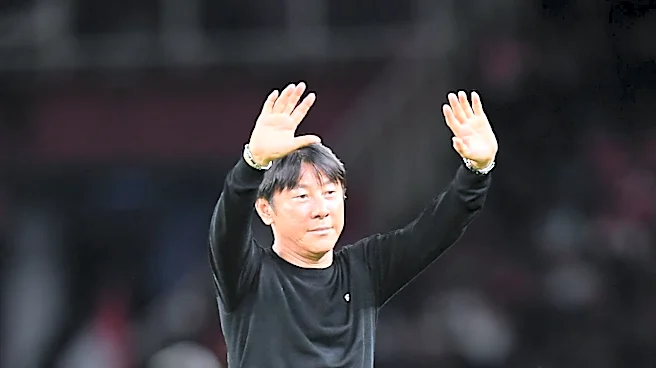
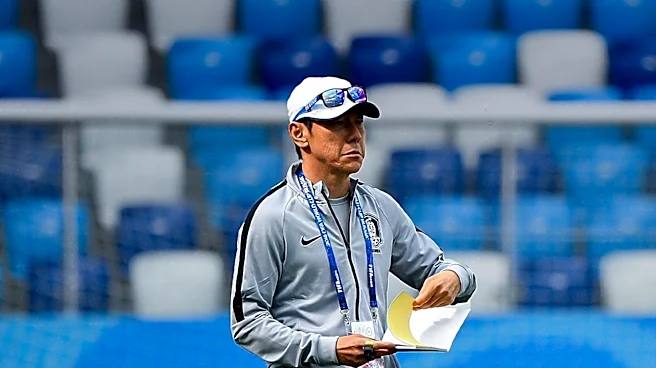
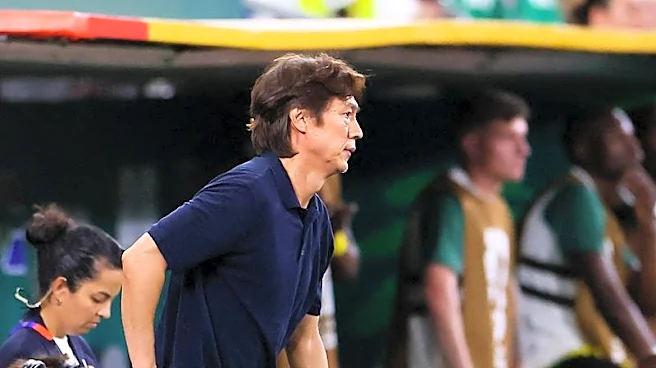
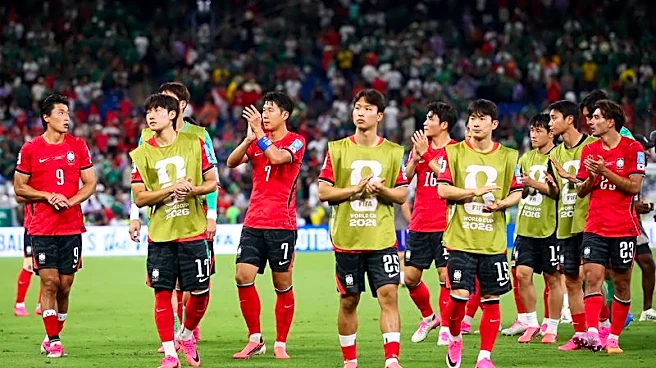
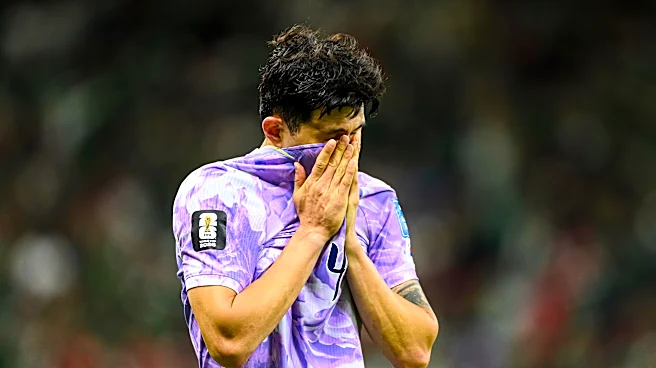
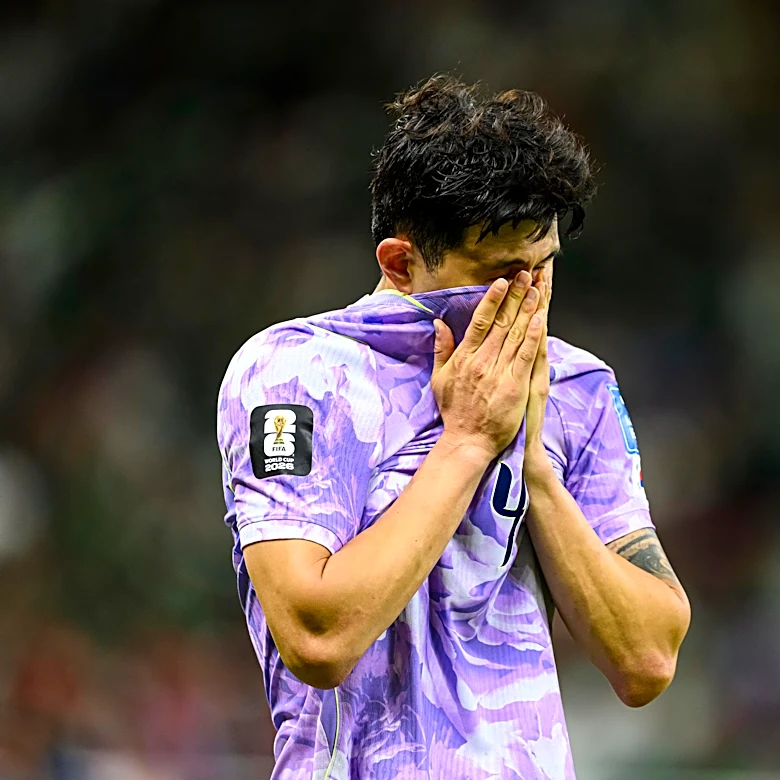
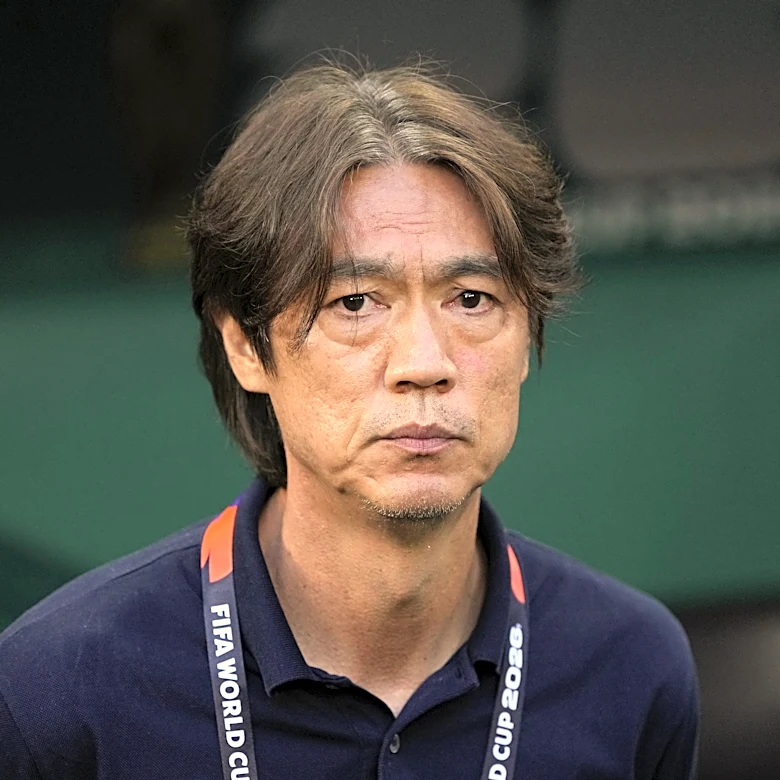
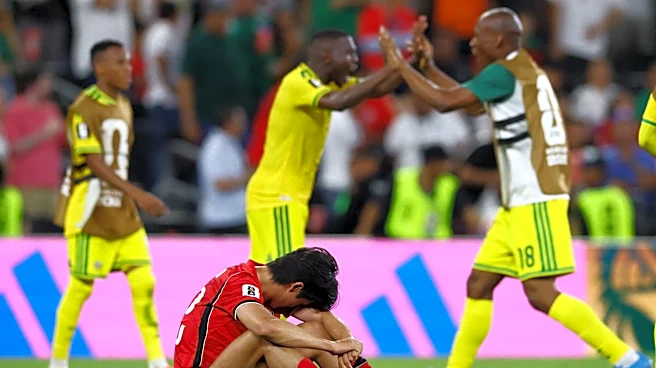
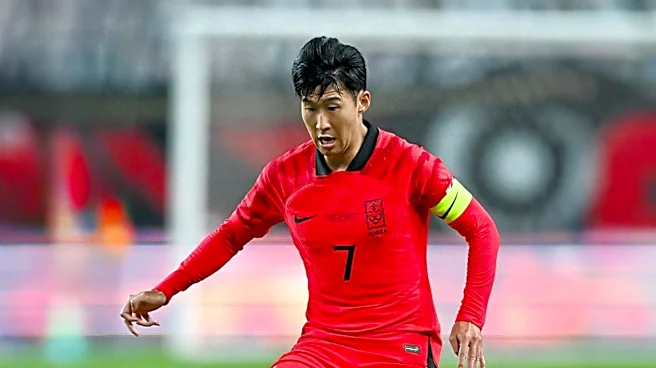
South Korean President Lee Jae Myung has expressed strong disapproval following the national soccer team's early exit from the 2026 World Cup. The team, led by coach Hong Myung-bo, was eliminated after losing two of its three group stage matches, despite
winning the opening match against the Czech Republic. The president criticized the selection and management of the national team, particularly targeting the coach's appointment, which he described as a result of valuing loyalty over competence. In response to the disappointing performance, Hong Myung-bo announced his resignation, taking full responsibility for the team's failure to meet expectations. This marks Hong's second stint as head coach, having previously led the team during the 2014 World Cup.
Why It's Important?
The early exit of South Korea from the World Cup has significant implications for the country's sports administration and its international reputation in soccer. As a nation with a strong soccer tradition and regular World Cup appearances, the failure to advance past the group stage is seen as a major setback. President Lee's call for a review of the national team's structure and management highlights the potential for significant changes in how sports are administered in South Korea. This could lead to reforms aimed at improving the selection process and ensuring that competence is prioritized over other factors. The situation also underscores the pressure on national teams to perform well on the global stage, reflecting broader national pride and expectations.
What's Next?
Following the president's directive, the Ministry of Culture, Sports and Tourism is expected to conduct a thorough review of the national team's performance and management. This review could lead to significant changes in the administration of sports in South Korea, potentially affecting how coaches and players are selected and managed. The resignation of Hong Myung-bo opens the door for new leadership, which may bring fresh strategies and approaches to the team. The outcome of these reviews and subsequent reforms will be closely watched by stakeholders, including fans, players, and sports officials, as they could shape the future of South Korean soccer.