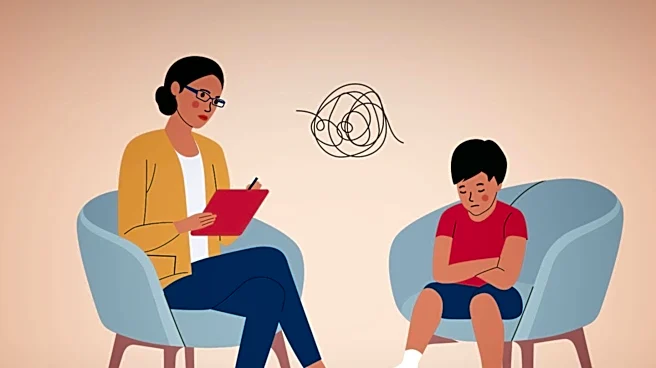









What's Happening?
A 'low-effort family' is characterized by an unequal distribution of emotional and logistical responsibilities, often resulting in one family member shouldering the majority of the relational burden. According to experts like Margaret Sigel, a licensed
marriage and family therapist, this dynamic arises when family members subconsciously agree to an unequal effort distribution, leading to avoidance of conflict and lack of shared responsibilities. Psychiatrist Maryellen Eller notes that such families avoid conflict, which prevents members from learning essential communication and boundary-setting skills. This dynamic can lead to one or two individuals maintaining the family relationship while others remain unresponsive, creating an imbalance in emotional labor.
Why It's Important?
Understanding the dynamics of low-effort families is crucial as it highlights the importance of mutual investment and accountability in relationships. Families that operate under this dynamic may appear calm on the surface but can suffer from underlying issues of avoidance and lack of genuine connection. This can lead to long-term emotional strain for the individuals carrying the relational burden, potentially resulting in burnout and resentment. Addressing these dynamics can help families develop healthier communication patterns and distribute emotional responsibilities more evenly, fostering stronger and more supportive family relationships.