



What's Happening?
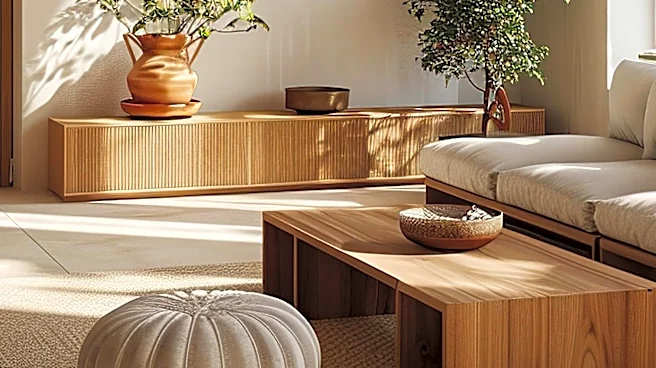
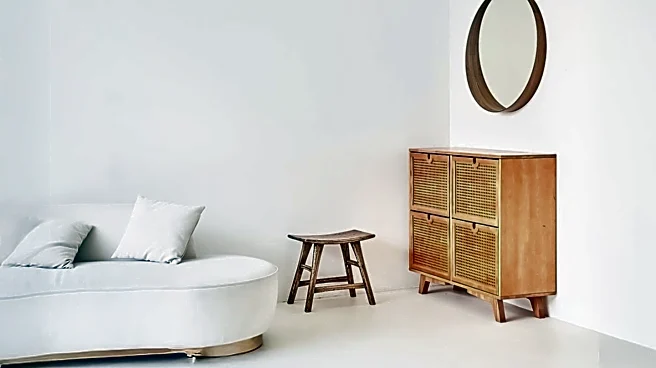
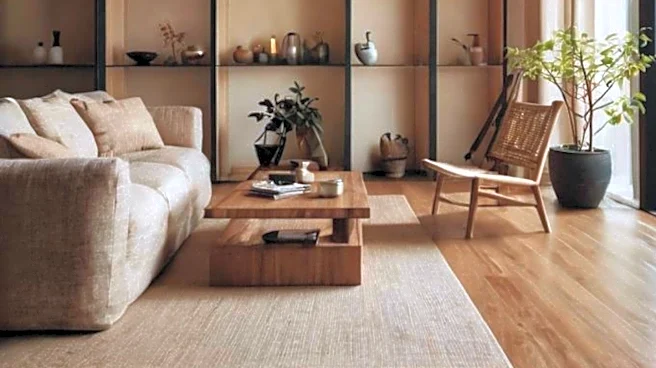
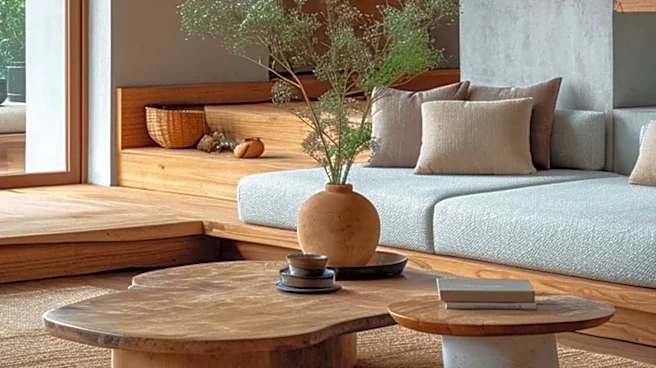
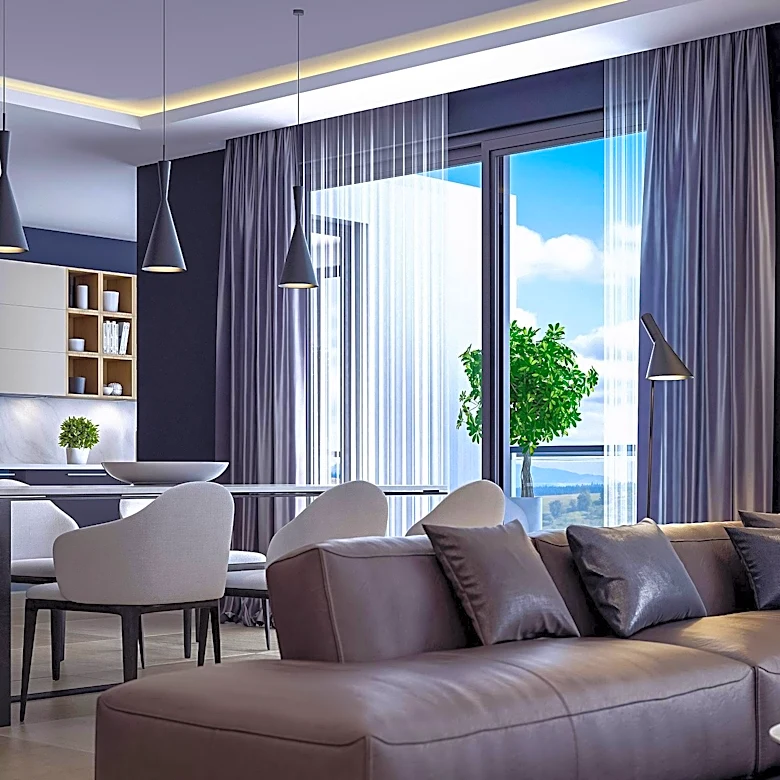
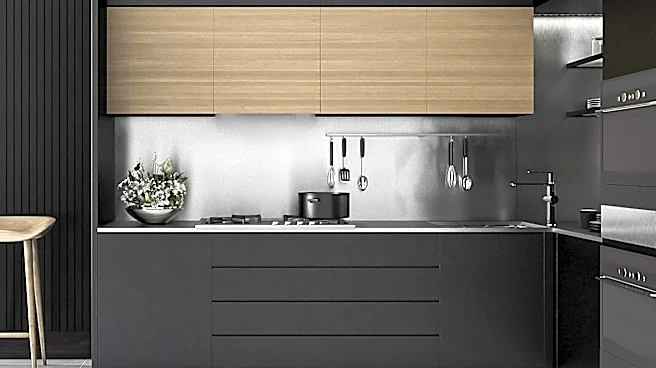
Organic modern is an interior design style that combines clean, modern lines with natural materials, warm neutral colors, and organic shapes to create relaxed and uncluttered living spaces. This style emphasizes simple, functional forms in furniture,
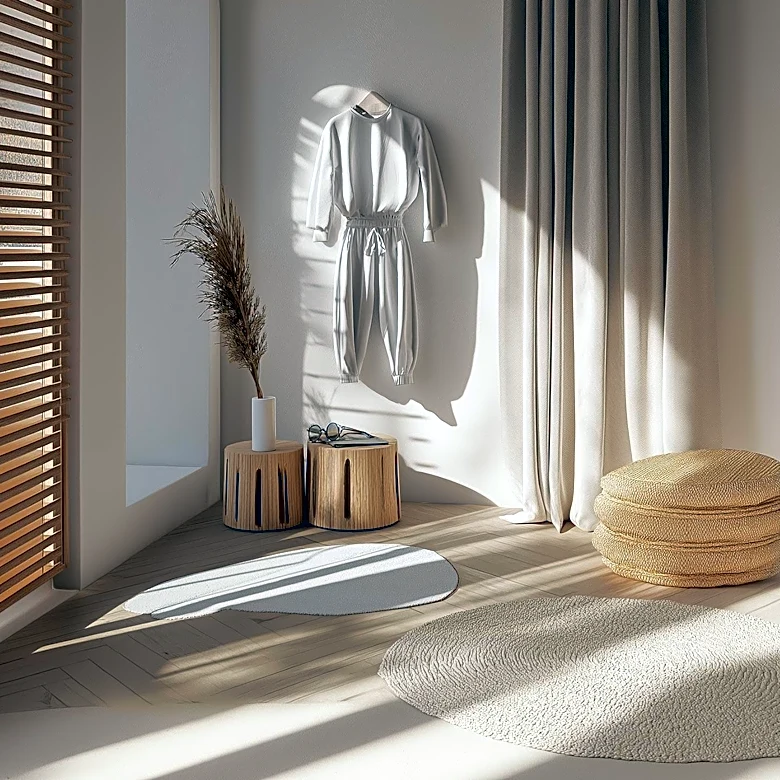
using materials like oak, ash, stone-inspired finishes, linen, wool, and jute to add visual interest and texture. The color palette typically consists of warm whites, beige, taupe, sand, and earthy browns, with darker accents used sparingly. Unlike the historical Organic Design movement of the 1940s, contemporary organic modern interiors are not limited to specific historical designs but rather focus on creating an inviting atmosphere through material, shape, and proportion. The style works well in various rooms, balancing visual simplicity with comfort and practicality.
Why It's Important?
The rise of organic modern design reflects a growing preference among U.S. consumers for interiors that feel both contemporary and connected to nature. This aesthetic offers an alternative to stark minimalism, providing warmth and texture without sacrificing modern simplicity. Its emphasis on natural materials and a restrained color palette can contribute to a sense of calm and well-being in homes, aligning with broader lifestyle trends focused on mindfulness and sustainability. For the furniture and home decor industry, this trend drives demand for specific materials, finishes, and design elements, influencing product development and marketing strategies. It also encourages consumers to consider the tactile and sensory aspects of their living environments, moving beyond purely visual appeal.
What's Next?
As organic modern design continues to gain popularity, consumers can expect to see more furniture and decor options that embody its principles. Manufacturers will likely expand their offerings of pieces made from natural woods, stone-inspired surfaces, and textured fabrics. Interior designers will continue to integrate this style into residential and commercial projects, adapting it to various spaces, from small apartments to larger homes. The focus on thoughtful material selection and functional design will remain key. Consumers looking to adopt this style are advised to prioritize quality materials, measure carefully, and choose finishes that are maintainable, ensuring their selections fit both their aesthetic preferences and practical needs.
Beyond the Headlines
Organic modern design is more than just a fleeting trend; it represents a cultural shift towards valuing authenticity, comfort, and a connection to the natural world within our built environments. It subtly challenges the fast-fashion approach to home decor by emphasizing durable, timeless pieces and natural materials that age gracefully. The style's focus on creating inviting, uncluttered spaces can also have psychological benefits, promoting relaxation and reducing visual stress. This design philosophy encourages a more conscious approach to consumption, where pieces are chosen for their intentionality, material integrity, and ability to contribute to a harmonious living experience, rather than simply following transient fads. It underscores a desire for homes to be sanctuaries that reflect personal values and a deeper appreciation for craftsmanship and natural beauty.