




What's Happening?
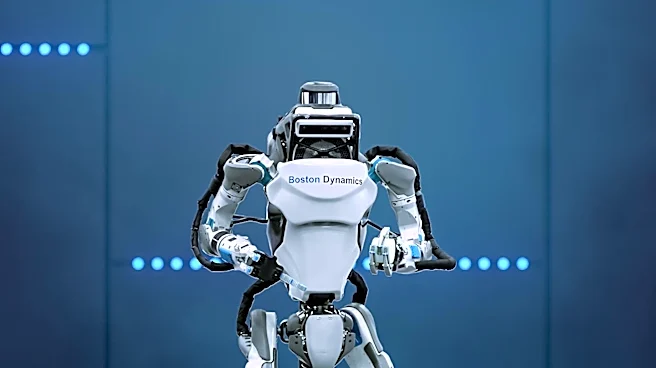
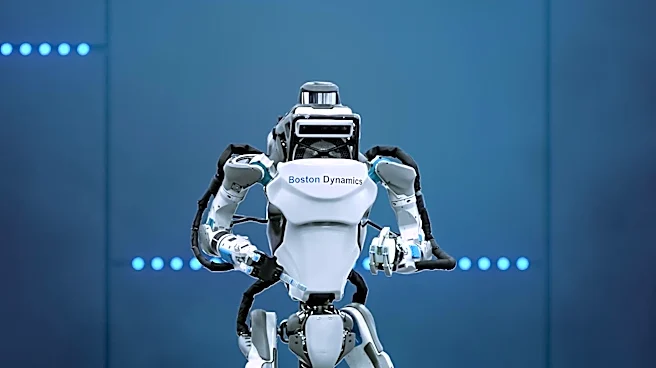
Boston Dynamics, a prominent robotics company known for its advanced mobile robots like Atlas, Spot, and Stretch, is actively seeking a Senior Staff Manufacturing Engineer for its Atlas humanoid robot program. This role is critical for transitioning groundbreaking
research prototypes into reliable, scalable systems for manufacturing and field deployment. The engineer will be responsible for developing, optimizing, and implementing production processes and assembly workflows for Atlas, focusing on scaling for future production needs. Key duties include designing production system tools, collaborating with hardware engineering for Design for Manufacturing & Assembly (DFM/DFA) input, and developing custom fixtures, tools, and jigs for mechanical assembly and testing. The position also involves defining assembly sequences, creating work instructions, and supporting prototype builds to troubleshoot issues and drive corrective actions. This strategic hire underscores Boston Dynamics' commitment to advancing its humanoid robot capabilities from development to practical application.
Why It's Important?
This hiring initiative is significant as it signals Boston Dynamics' progression from research and development to the industrialization of its Atlas humanoid robot. The focus on manufacturing and scalability indicates a potential shift towards broader commercial applications for advanced humanoid robotics. The successful integration of a Senior Staff Manufacturing Engineer will be crucial in streamlining production processes, ensuring product quality, and reducing manufacturing costs, which are vital steps for any complex technology to achieve market viability. This move could accelerate the deployment of humanoid robots in various sectors, potentially transforming industries that require advanced automation and dexterous manipulation. Furthermore, the collaboration with Hyundai Motor Group, Boston Dynamics' parent company, suggests leveraging automotive manufacturing expertise, which could set new benchmarks for robotics production efficiency and reliability. This development could also influence the broader robotics industry by demonstrating a pathway for bringing highly complex robotic systems to market.
What's Next?
The immediate next step for Boston Dynamics is to successfully recruit a highly qualified Senior Staff Manufacturing Engineer who can lead the manufacturing process development for the Atlas robot. Once onboard, this individual will be tasked with establishing robust production systems, optimizing assembly workflows, and ensuring the manufacturability of future Atlas iterations. This will involve close collaboration with various internal teams, including hardware engineering, prototype operations, and systems engineering, as well as external suppliers. The long-term outlook includes the potential for increased production volumes of the Atlas robot, which could lead to its deployment in more diverse real-world environments. Success in this manufacturing scale-up could pave the way for new partnerships and applications, further solidifying Boston Dynamics' position as a leader in advanced robotics and potentially accelerating the adoption of humanoid robots in industrial and commercial settings.
Beyond the Headlines
The push to industrialize the Atlas humanoid robot carries deeper implications beyond immediate manufacturing goals. It highlights the ongoing evolution of robotics from specialized research projects to practical, deployable solutions. The challenges of scaling production for such complex, high-dexterity robots involve not only engineering hurdles but also economic and societal considerations. As humanoid robots become more capable and accessible, questions about their integration into the workforce, ethical implications of human-robot interaction, and the need for new safety standards will become more prominent. This development could also spur innovation in related fields, such as advanced materials, AI-driven perception, and human-robot collaboration interfaces. The successful manufacturing of Atlas could serve as a blueprint for future advanced robotic systems, influencing how industries approach automation and the role of intelligent machines in society.