







What's Happening?
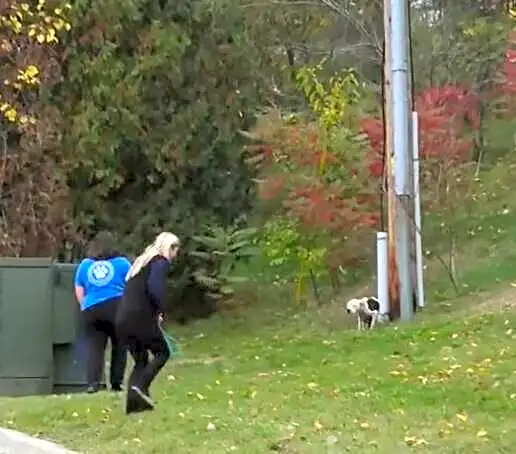
Residents in New Hampshire who find a stray dog are advised to prioritize safety and follow specific steps to ensure the animal's well-being and facilitate its return to its owner. The initial recommendation is to safely contain the dog without chasing
it, as frightened animals can behave unpredictably. Once secured, individuals should check for a collar, tags, or a microchip, which can be scanned for free at most veterinary offices and shelters. The primary point of contact for a contained stray dog is the local animal control officer, whose contact information can be obtained through town offices. For after-hours assistance or if a dog is in traffic, the local police department's non-emergency line should be called. It is crucial to report a found dog to animal control, as holding it without reporting can complicate the owner's search and may conflict with local animal welfare rules. Temporary care should be simple, providing fresh water, a small amount of plain dog food if the dog is calm, and a quiet, contained area away from other pets.
Why It's Important?
These guidelines are important for several reasons. Firstly, they promote the safe handling of stray animals, protecting both the animal and the finder from potential harm. A frightened or injured dog can pose a risk, and proper containment and reporting protocols minimize these dangers. Secondly, the emphasis on contacting local animal control and scanning for microchips significantly increases the chances of reuniting lost pets with their owners, reducing the number of animals entering shelters. This process also helps ensure compliance with local ordinances regarding stray animals, as holding periods and reporting requirements vary by town. By providing clear steps, the advice helps residents act responsibly and compassionately, contributing to community animal welfare efforts and potentially preventing legal complications that can arise from improper handling of found animals. The guidance also highlights the importance of local resources, such as animal control and veterinary clinics, in managing stray animal situations effectively.
What's Next?
Individuals who find a stray dog in New Hampshire should immediately contact their local animal control officer or the non-emergency police line, depending on the situation. They will be advised whether to hold the dog, bring it to a shelter, or meet an officer. If the dog has no tags, the next step is to take it to a local veterinary office or shelter to be scanned for a microchip, which is often the fastest way to identify an owner. While waiting for the owner or animal control, temporary care should be provided, focusing on basic needs like water and a safe space. Posting lost-dog signs with a clear photo and contact information in local community groups can also aid in the search, though it's advised to omit one distinctive marking to help confirm the true owner. The holding period for a found dog before it can legally be kept varies by town, and this information should be obtained from the local animal control officer.
Beyond the Headlines
The detailed advice for handling stray dogs in New Hampshire underscores a broader societal commitment to animal welfare and responsible pet ownership. The emphasis on local animal control and microchip scanning reflects modern approaches to pet recovery, leveraging technology and community resources to minimize the distress of lost pets and their owners. This system also highlights the decentralized nature of animal control regulations in the U.S., where local ordinances often dictate specific procedures rather than statewide laws. The guidance implicitly encourages community engagement in animal welfare, transforming what might be a simple encounter with a stray into an opportunity for civic responsibility. Furthermore, the advice to avoid certain actions, like bathing or medicating the dog, points to the complexities of animal care and the importance of professional guidance, even in seemingly straightforward situations. This comprehensive approach aims to create a more humane and efficient system for managing stray animals within the state.