





What's Happening?
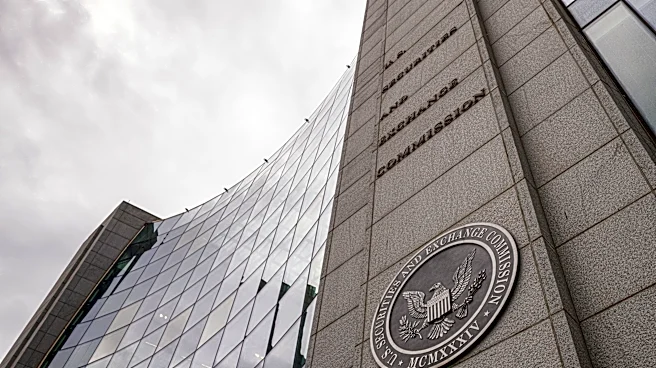
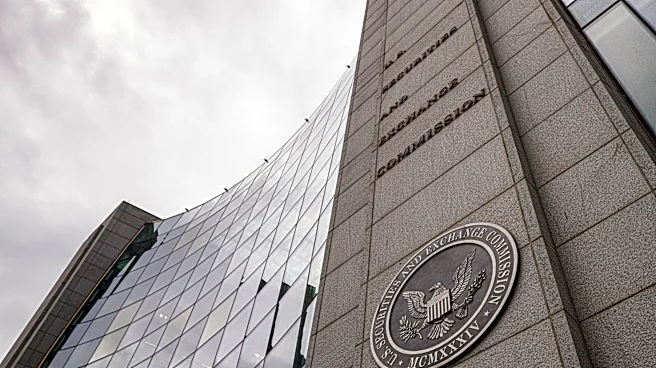
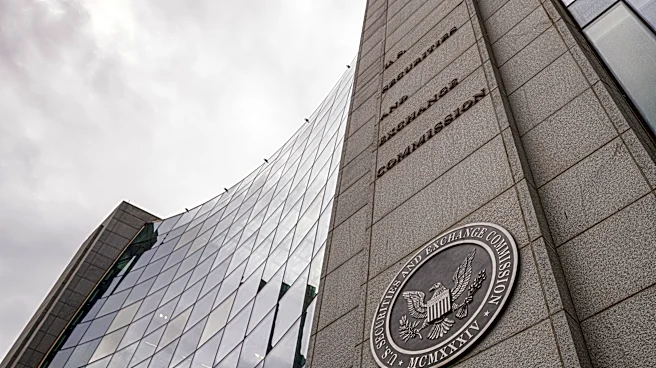
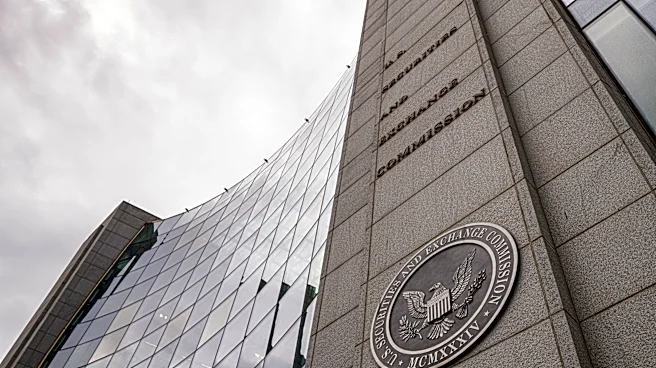
The Securities and Exchange Commission (SEC) has proposed taking direct control of the Consolidated Audit Trail (CAT), a system designed to track all trading activity in U.S. equity and options markets. This proposal, issued on November 20, involves rescinding
Rule 613 of Regulation NMS and adopting a new Rule 17a-26 under the Securities Exchange Act of 1934. Currently, national securities exchanges and the Financial Industry Regulatory Authority (FINRA) jointly operate the CAT through a national market system plan. The SEC's move aims to address the CAT's decentralized governance, which has made the system difficult to administer, despite its necessity as a regulatory tool. Chairman Atkins noted that CAT operating costs had reached nearly $250 million annually, and previous efforts had already cut over $100 million in costs and eliminated personally identifiable information (PII) reporting. The SEC plans to fund the CAT through congressional appropriations and expects reporting obligations for broker-dealers and SROs to remain largely consistent, with the same reporting format and technical specifications.
Why It's Important?
This proposed shift in control of the CAT is significant for the U.S. financial markets as it seeks to improve the efficiency and accountability of a critical regulatory tool. The current decentralized governance, spread across 29 SRO participant owners, has led to administrative challenges and high operating costs. By centralizing control under the SEC, the agency aims to put the CAT on a more sustainable footing, ensuring disciplined costs and clearer accountability. This could lead to more effective market surveillance and enforcement, ultimately benefiting investors by enhancing market integrity and transparency. While broker-dealers are expected to maintain similar reporting obligations, the SEC's funding mechanism through congressional appropriations, recovered via Section 31 fees on SROs, suggests that firms may still indirectly bear some costs. The proposal also highlights the SEC's ongoing efforts to streamline regulatory processes and address inefficiencies within the financial infrastructure.
What's Next?
Following the proposal, the SEC anticipates several key steps. Once Rule 613 is rescinded, the SROs are expected to seek approval to rescind the CAT NMS Plan and their associated compliance rules. The SEC also foresees a sale and transfer of CAT assets, the establishment of a contract with an SEC designee to operate the system, and the formation of new advisory committees or working groups to gather industry feedback. The SEC intends to align the effective dates of these changes to prevent any gaps in reporting or regulatory access. For broker-dealers, the immediate message is continuity in reporting, but they should prepare for new written error correction policies and procedures, including annual reviews and recordkeeping. The transition will also involve new clock synchronization obligations for SROs, who will retain access to cross-market CAT data despite ending their role as owners and plan sponsors.
Beyond the Headlines
The SEC's proposal to take direct control of the CAT extends beyond mere administrative restructuring; it reflects a broader regulatory philosophy aimed at strengthening oversight in an increasingly complex financial landscape. The move underscores the challenges of managing large-scale, multi-stakeholder regulatory systems and the potential for inefficiencies when governance is fragmented. By centralizing control, the SEC is asserting its authority to ensure that critical market infrastructure serves its intended purpose without undue cost or administrative burden. This could set a precedent for how other complex regulatory systems are managed in the future. Furthermore, the emphasis on cost reduction and accountability, as highlighted by Chairman Atkins, signals a commitment to fiscal prudence within regulatory operations, which could influence future policy decisions regarding financial market infrastructure.