



What's Happening?
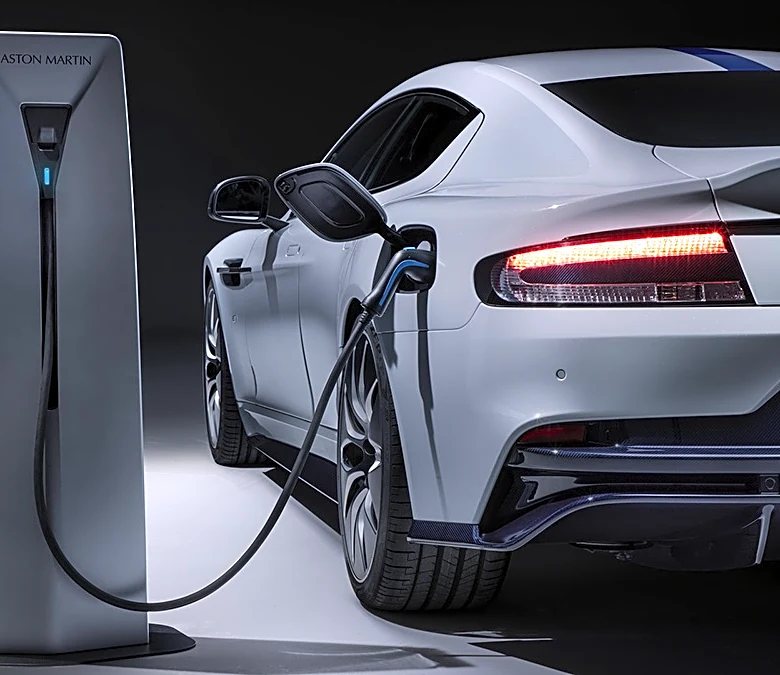
Aston Martin has announced a significant delay in the launch of its first all-electric vehicle (EV), pushing the timeline back to at least 2033. This new schedule was confirmed by CEO Adrian Hallmark, who cited rapidly changing legislation and lower-than-anticipated
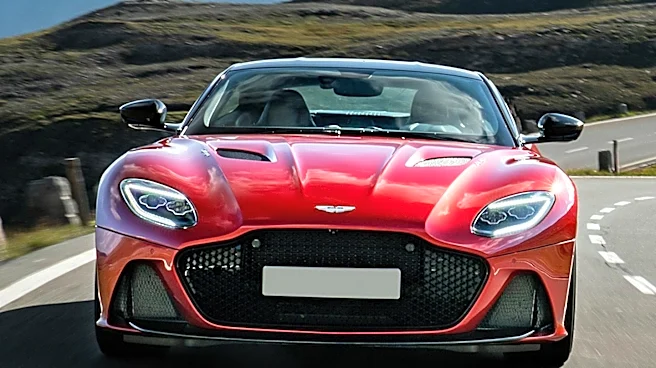
customer demand for high-end EVs as primary reasons. The luxury automaker had previously set earlier targets for its EV debut, including 2025, 2027, and 2030, making this the latest in a series of postponements. Concurrently, Aston Martin plans to continue prioritizing and selling its V-8 and V-12 internal combustion engines (ICE) until at least 2035. The company has existing partnerships with Lucid for EV technology and Mercedes-Benz for powertrain and electrical systems, which it intends to leverage when the time comes for its electric transition.
Why It's Important?
This decision by Aston Martin highlights a broader trend among some luxury automakers who are re-evaluating their electrification strategies in response to market realities and regulatory landscapes. While many manufacturers are accelerating their EV transitions, Aston Martin's move suggests a belief that the high-end market for electric vehicles is not maturing as quickly as initially projected. This could influence other luxury brands to reconsider their own EV timelines, potentially slowing the overall shift to electric in the premium segment. For consumers, it means a continued focus on powerful, traditional combustion engines from Aston Martin for the foreseeable future, catering to a segment of buyers who still prefer the performance and sound of conventional powertrains. The delay also underscores the challenges automakers face in adapting to evolving legislative requirements and fluctuating consumer preferences in the rapidly changing automotive industry.
What's Next?
Aston Martin will continue to focus on developing and selling its V-8 and V-12 internal combustion engine models, with a roadmap to ensure their compliance and availability until at least 2035. CEO Adrian Hallmark indicated that while the company is not against EVs, it is delaying their introduction until legislative requirements in certain markets necessitate the shift, likely between 2033 and 2035. The company will also explore hybridization, though it remains cautious about plug-in hybrids due to potential weight penalties. Aston Martin plans to strengthen its technological partnerships with Lucid and Mercedes-Benz to prepare for its eventual entry into the EV market, ensuring it has access to advanced electric vehicle platforms and components when the demand and regulatory environment align.
Beyond the Headlines
Aston Martin's strategic pivot reflects a nuanced understanding of its niche market, where traditional luxury and performance attributes, often associated with powerful combustion engines, remain highly valued. This approach contrasts with the broader industry push towards rapid electrification, suggesting that a 'one-size-fits-all' strategy may not apply to all segments of the automotive market, particularly the ultra-luxury sector. The company's emphasis on legislative compliance rather than proactive market leadership in EVs could also signal a cautious financial strategy, aiming to avoid significant investments in a segment where returns are currently uncertain for its specific customer base. This decision could also spark a debate about the role of heritage and brand identity in an era of technological disruption, as Aston Martin seeks to preserve its core appeal while eventually adapting to future mobility trends.