



What's Happening?
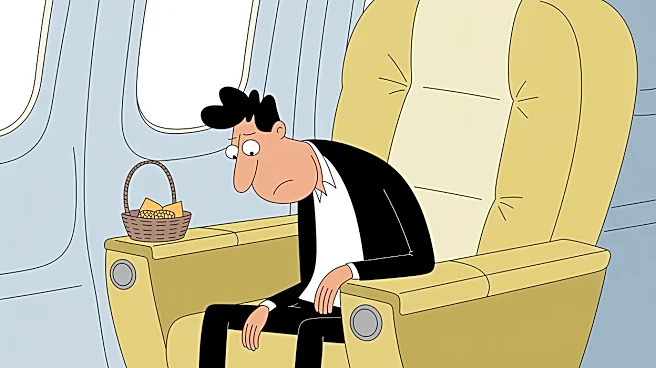
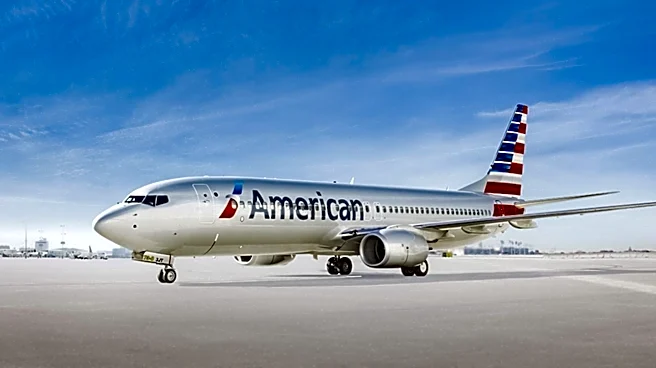
Scottish-American actor John Barrowman has faced significant online criticism following a now-deleted video he posted on X, complaining about the service he received on an American Airlines business class flight from Los Angeles to London. Barrowman,
known for his roles in 'Doctor Who' and 'Desperate Housewives,' expressed dissatisfaction over not receiving complimentary pajamas, which he believed were standard for 'flagship service' passengers, and claimed they were only given to the first two rows. He also stated that his meal order was incorrect and that he did not receive the same items as other passengers with the same service. His public rant, which included filming his father and husband, led to many social media users labeling him as 'ridiculous' and 'entitled,' while some defended his right to expect the service he paid for.
Why It's Important?
This incident highlights the growing trend of public figures using social media platforms to air grievances, which can quickly escalate into widespread public debate and scrutiny. For American Airlines, such public complaints from a celebrity, regardless of their validity, can negatively impact brand perception and customer trust, especially concerning premium services. It also brings to light the varying expectations of luxury travel and the potential for miscommunication or inconsistencies in service delivery. The divided public reaction, with some supporting Barrowman's right to complain and others criticizing his 'entitlement,' reflects broader societal discussions about consumer rights, celebrity behavior, and the appropriate use of social media for personal complaints. This event underscores the power of social media in shaping public opinion and the immediate consequences for both individuals and corporations.
What's Next?
While the immediate fallout for John Barrowman includes public backlash and potential damage to his public image, American Airlines may face internal reviews of their business class service protocols, particularly regarding amenities like pajamas and meal service consistency. The incident could prompt the airline to clarify its policies for premium passengers or to ensure more consistent service delivery across all business class sections. For Barrowman, future public appearances or social media interactions might be met with references to this incident, potentially influencing public perception of his character. The event serves as a cautionary tale for public figures about the implications of airing personal grievances on social media, as it can quickly turn into a public relations challenge.
Beyond the Headlines
This event delves into the complex relationship between celebrity status, consumer expectations, and the public's perception of 'entitlement.' The strong reactions, both for and against Barrowman, reveal a societal tension regarding what constitutes acceptable behavior from those in the public eye, especially when they leverage their platform to complain about perceived inconveniences. It also touches upon the psychological aspect of consumer expectations in luxury services; when a high price is paid, the expectation for flawless service is often equally high. The incident could spark broader conversations about the ethics of filming and shaming service providers on social media, and the responsibility of both consumers and companies in resolving service disputes. Ultimately, it reflects a cultural moment where personal experiences, amplified by social media, can quickly become public spectacles with far-reaching implications.