


What's Happening?
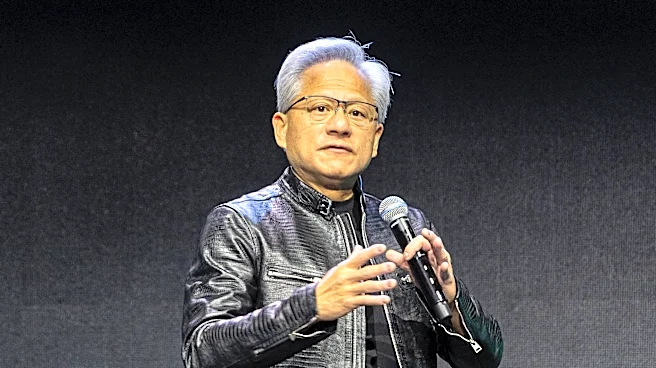
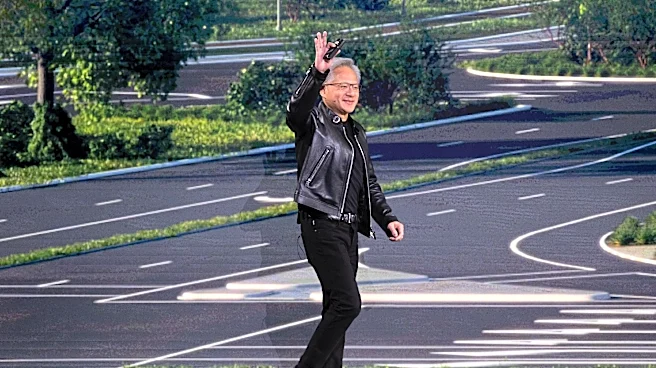
Jensen Huang, former CEO of Nvidia, is exploring five potential strategies to reclaim his leadership role at the company. Despite the Nvidia board publicly cooling on the idea of his return, reports indicate that three directors are advocating for his reinstatement.
Huang has expressed his willingness to return if the board deems it beneficial for the company. His efforts are bolstered by a petition with over 200,000 signatures supporting his comeback, and Nvidia has experienced a significant market value decline of over $1 trillion since his resignation. Huang, who holds approximately a 3.5% stake in Nvidia and is a co-founder, possesses several avenues to build support among shareholders and challenge the current board's stance. These methods range from directly persuading the board to initiating more formal shareholder actions.
Why It's Important?
The potential return of Jensen Huang to Nvidia's helm carries significant implications for the company's future direction and market performance. His previous leadership was instrumental in Nvidia's growth and innovation, particularly in the semiconductor and AI sectors. A comeback could signal a shift in corporate strategy, potentially aiming to recapture lost market value and re-energize investor confidence. Conversely, a prolonged internal struggle for leadership could create instability and uncertainty, impacting Nvidia's competitive position in a rapidly evolving technological landscape. Major institutional shareholders like BlackRock and Vanguard, holding substantial stakes, could play a pivotal role in influencing the outcome, depending on their support for Huang's return. The situation highlights the power dynamics between a company's board, its founders, and its major investors.
What's Next?
Jensen Huang is expected to continue building pressure on Nvidia's board, potentially by rallying investors to his cause. According to Michael R. Levin, founder of The Activist Investor, Huang could begin making a public case for his return to persuade major shareholders. If a significant number of investors signal their support, the board might consider acting before the next annual meeting to avoid a public and potentially damaging proxy fight. Andrew Freedman, chair of Olshan's shareholder-activism practice, suggests that calling a special meeting would be the fastest formal route for Huang. However, a full proxy fight would require Huang or allied shareholders to fund their own campaign and solicit proxies from holders of at least 67% of the company’s voting power, a substantial undertaking.
Beyond the Headlines
The situation at Nvidia extends beyond a simple leadership change, touching upon broader themes of corporate governance, founder influence, and shareholder activism. The substantial drop in market value following Huang's resignation underscores the perceived value of his leadership and vision. This scenario could set a precedent for how founding leaders, even after stepping down, can leverage their legacy, personal stake, and public support to influence corporate decisions. It also highlights the increasing power of shareholder activism in demanding accountability and strategic shifts from corporate boards, especially when significant financial losses are incurred. The outcome at Nvidia could influence future corporate governance practices regarding founder involvement and board responsiveness to shareholder sentiment in the tech industry.