





What's Happening?
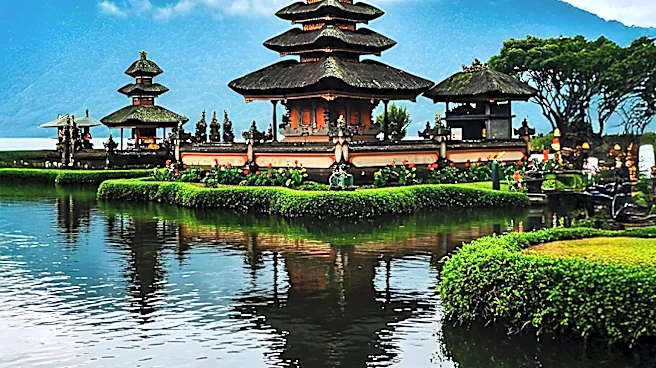
The Wonderful Indonesia Tourism Fair (WITF) 2026 is scheduled to take place from October 15-17, 2026, at JIExpo Kemayoran, Jakarta. This event aims to connect international tourism buyers with Indonesian tourism businesses for three days of business exchange,
networking, and industry engagement. Now in its third year, WITF has seen significant growth, with attendance increasing from approximately 2,000 participants in 2024 to nearly 4,000 in 2025. The 2026 edition expects over 100 buyers from 32 countries and 80 Indonesian exhibitors. The fair will feature a B2B marketplace, bringing together various tourism stakeholders including destinations, hotels, destination management companies, airlines, and attractions. Core activities will include business matching, networking, and contracting opportunities to foster commercial partnerships and explore new markets. Additionally, WITF 2026 will host conference sessions addressing key issues such as emerging tourism trends, sustainable tourism, artificial intelligence and digital transformation, destination marketing, investment, aviation, hospitality, MICE (Meetings, Incentives, Conferences, and Exhibitions), and community-based tourism. Tourism agents and industry professionals will also have opportunities to hear from leading tourism figures and participate in familiarization trips to Indonesian destinations.
Why It's Important?
This event is crucial for Indonesia's tourism industry as it seeks to strengthen its position as a leading global tourism destination. By facilitating direct connections between international buyers and local businesses, WITF 2026 is expected to generate new business opportunities and drive economic growth within the sector. The focus on sustainable tourism, digital transformation, and MICE highlights a strategic effort to modernize and diversify Indonesia's tourism offerings, appealing to a broader range of international visitors and business travelers. The fair's expansion in international participation underscores growing global interest in Indonesia's tourism potential. For the U.S. and other international markets, this event provides a direct gateway to explore investment opportunities, establish partnerships with Indonesian tourism providers, and access unique travel experiences. The emphasis on knowledge exchange through conference sessions also contributes to global best practices in tourism development, potentially influencing industry standards and innovations beyond Indonesia's borders. The event's success could lead to increased international travel to Indonesia, benefiting airlines, hospitality providers, and related services globally.
What's Next?
Following WITF 2026, the focus will be on the implementation of the commercial partnerships and agreements forged during the event. Indonesian tourism businesses will work to integrate new international clients and expand their market reach. The insights gained from the conference sessions on emerging trends and sustainable practices are expected to influence future tourism policies and development strategies in Indonesia. The Indonesian Tourism Industry Association and other stakeholders will likely monitor the economic impact and visitor numbers resulting from the fair to assess its long-term success. Continued efforts will be made to promote Jakarta's cultural heritage as it approaches its five-century milestone, leveraging the momentum generated by WITF. Future editions of the fair will likely build upon the 2026 event's successes, aiming for even greater international participation and broader industry engagement to further solidify Indonesia's standing in the global tourism landscape.
Beyond the Headlines
Beyond the immediate economic benefits, WITF 2026 plays a significant role in cultural diplomacy and international relations. By showcasing Indonesia's rich cultural heritage and diverse destinations, the event fosters a deeper understanding and appreciation of Indonesian culture on a global scale. The emphasis on sustainable tourism development also reflects a growing global consciousness regarding environmental and social responsibility within the travel industry. This commitment could set a precedent for other developing nations seeking to balance economic growth with ecological preservation. The integration of artificial intelligence and digital transformation in tourism discussions highlights the evolving technological landscape and its impact on how travel experiences are marketed, managed, and consumed. This shift towards digital solutions could lead to more personalized and efficient travel services, influencing global tourism trends. Furthermore, the event's role in strengthening connections between Indonesia's tourism industry and markets worldwide contributes to greater international cooperation and mutual economic benefit.