




What's Happening?
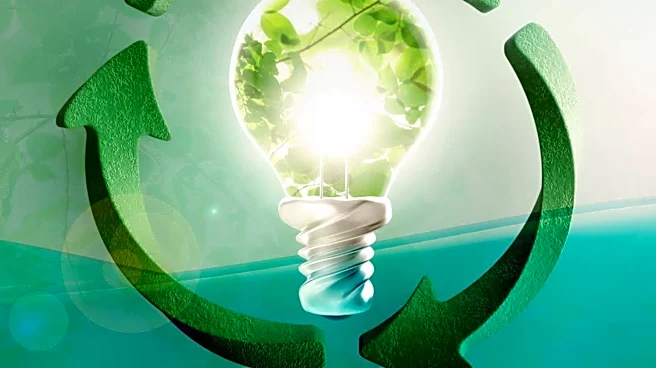
Circular fashion is an evolving approach to the textile industry that prioritizes the design, production, use, and recovery of materials to keep them in circulation for extended periods. This model aims to significantly reduce waste and decrease reliance
on new resources. Key aspects include repairing, reusing, and recycling garments and materials, effectively closing the loop by transforming discarded fibers into valuable resources. The shift necessitates a more intelligent strategy for material selection, design, production, and recovery processes. It emphasizes the use of responsible and recycled materials, the creation of durable garments suitable for repair, and the promotion of reuse, resale, and comprehensive textile recovery initiatives. This systemic change seeks to embed sustainability throughout the entire lifecycle of fashion products.
Why It's Important?
The adoption of circular fashion principles holds significant importance for the U.S. textile industry and its environmental impact. By reducing waste and the demand for virgin resources, it addresses critical environmental concerns associated with traditional linear fashion models, such as landfill accumulation and resource depletion. This shift can foster innovation in material science and manufacturing processes, potentially leading to new economic opportunities and job creation within the green economy. Furthermore, it encourages consumers to adopt more sustainable consumption habits, promoting longevity and responsible disposal of clothing. However, the successful implementation of circular fashion also requires careful consideration of the economic conditions for those involved in the production process, ensuring that the transition is equitable and accessible to all stakeholders, from designers to manufacturers and consumers.
What's Next?
The future of circular fashion in the U.S. will likely involve increased collaboration between designers, manufacturers, retailers, and consumers to establish robust systems for material recovery and reuse. We can anticipate further development in technologies for textile recycling and upcycling, making it more efficient and scalable. Policy initiatives may emerge to incentivize sustainable practices and discourage textile waste, potentially through extended producer responsibility schemes. Educational campaigns will also play a crucial role in raising consumer awareness about the benefits of circular fashion and encouraging participation in repair, reuse, and recycling programs. The industry will need to navigate the economic implications of these changes, ensuring that circularity is not only environmentally beneficial but also economically viable for businesses and workers.
Beyond the Headlines
Beyond the immediate environmental and economic benefits, the rise of circular fashion signals a broader cultural shift towards valuing durability, craftsmanship, and resourcefulness over fast-paced consumption. This movement challenges the prevailing 'throwaway' culture and encourages a more mindful relationship with material possessions. Ethically, it prompts a re-evaluation of labor practices within the supply chain, ensuring that the pursuit of circularity does not compromise fair wages and working conditions. Legally, it may necessitate new frameworks for product labeling, material traceability, and waste management. Ultimately, circular fashion represents a fundamental rethinking of how goods are produced, consumed, and valued, with potential long-term implications for societal norms, consumer behavior, and the very definition of luxury and quality in the U.S. market.