




What's Happening?
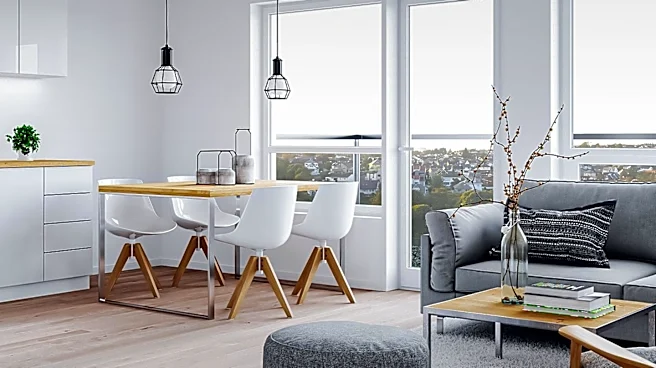
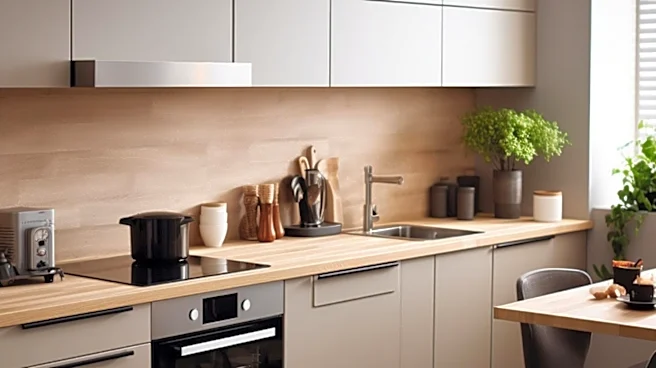
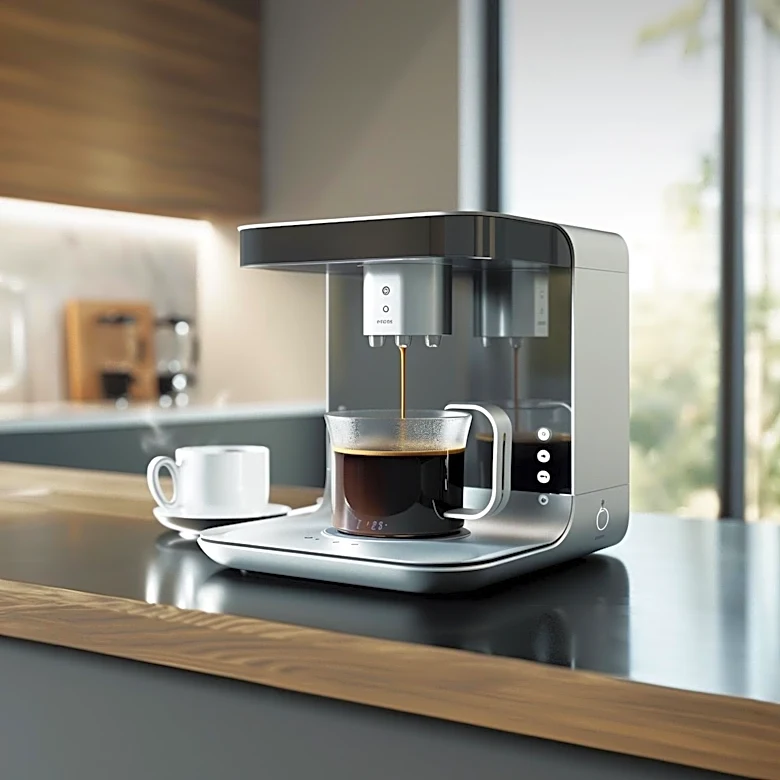
Scandinavian minimalism in kitchen design focuses on balancing visible everyday items with convenient, hidden storage for less frequently used objects. This approach allows for items like dishes, coffee machines, and ceramics to be openly displayed, while
clutter such as food packaging and spare supplies are kept out of sight. The design philosophy prioritizes functionality and ease of daily tasks, ensuring that frequently used items are accessible. Open shelving is utilized for displaying chosen items, while closed storage is reserved for things not intended for display. Appliances can be either visible or integrated, with panel-ready models helping to create a continuous look with cabinetry. The decision to hide or display appliances is based on improving the room's aesthetic without hindering daily use, as highlighted by brands like Ferm Living, Audo Copenhagen, NUURA, and Astro Lighting, known for their calm, soft-edged designs.
Why It's Important?
This design philosophy is important for U.S. consumers and the interior design industry as it offers a practical yet aesthetically pleasing approach to modern living spaces. For homeowners, it provides a framework for creating organized and serene kitchens that are both functional and visually appealing, moving away from the idea that minimalist spaces must be entirely devoid of personal items. For designers and manufacturers, it underscores the demand for versatile storage solutions and integrated appliance options that cater to this balance. The emphasis on displaying select items and integrating appliances selectively can influence product development in kitchenware, cabinetry, and appliance design, promoting products that are both beautiful and highly functional. This trend also impacts real estate, as well-designed, minimalist kitchens can enhance property value and appeal to a broader market segment seeking efficient and stylish homes.
What's Next?
The continued adoption of Scandinavian minimalism is likely to drive further innovation in kitchen design and product offerings. Manufacturers may focus on developing more modular and customizable cabinetry systems that seamlessly integrate appliances and offer flexible storage solutions. We can expect to see an increase in demand for panel-ready appliances and smart storage solutions that make it easier to keep clutter out of sight while maintaining accessibility. Interior designers will continue to refine techniques for balancing open and closed storage, and for selecting items that enhance the aesthetic when displayed. The market may also see a rise in educational content and services aimed at helping consumers implement Scandinavian minimalist principles in their homes, further solidifying this design trend in the U.S. market.
Beyond the Headlines
Beyond its aesthetic appeal, Scandinavian minimalism in kitchen design reflects a broader cultural shift towards intentional living and mindful consumption. By encouraging homeowners to thoughtfully select what they display and efficiently store what they don't, this approach promotes a less cluttered and more organized lifestyle. This can lead to reduced stress and increased efficiency in daily routines. The philosophy also subtly challenges the consumerist tendency to accumulate excessive items, instead advocating for quality over quantity and a focus on items that bring joy or serve a clear purpose. This deeper implication suggests a move towards more sustainable living practices, where design choices are not just about looks but also about fostering a more harmonious and functional environment that supports well-being.