






What's Happening?
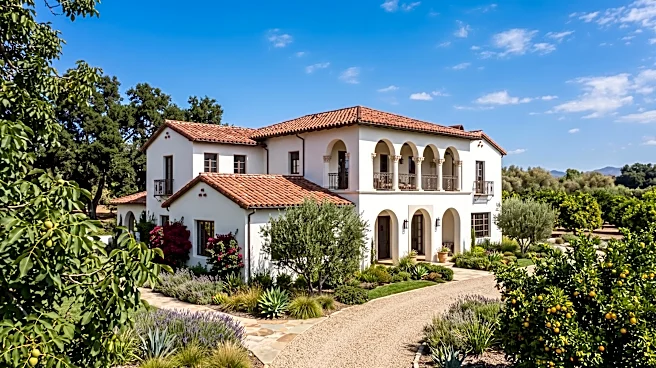
The Almidor, also known as the John Show Ranch house, located at 4701 Almidor Avenue in Woodland Hills, is a 1928 Spanish Colonial Revival estate designed by Arizona architect L.G. Knipe. This property is one of the few historic Spanish homes remaining
from the San Fernando Valley's ranch era. Originally, it served as the centerpiece of a 500-acre citrus and walnut ranch established by John Henry Show in 1920. The rancher cultivated oranges, grapefruit, and walnuts, and also raised horses. The house itself is a two-story, four-bedroom Spanish Colonial Revival home featuring a double-height foyer and an upstairs gallery with Corinthian-style arches. A notable feature is the original Malibu tile found in its bathrooms and fixtures, which has been verified by the Adamson House Malibu Tile Committee. The property underwent a nearly two-decade-long restoration by owners who acquired it in 2002, working with historic architects and contractors. This restoration included structural rebuilding of the pool and patios to modern codes in 2017.
Why It's Important?
The preservation and detailed history of the Almidor estate are significant for understanding the architectural and developmental history of the San Fernando Valley. As one of the few remaining ranch-era homes in an area that rapidly urbanized after the 1940s, it offers a tangible link to the region's agricultural past. The house's design by L.G. Knipe, an architect known for his work in Arizona and other large ranch houses in the Valley, highlights a specific period of California architecture. The presence of verified original Malibu tile adds to its historical and artistic value, as Malibu Potteries operated for a limited time, making its intact installations rare. Furthermore, the property's connection to Hollywood history, including its use as a filming location for 'Stalag 17' and the sale of part of its land to the Motion Picture Relief Fund, underscores its cultural importance. The meticulous restoration efforts demonstrate the value placed on preserving such historical assets, influencing future preservation projects and real estate practices for unique architectural properties in Los Angeles.
What's Next?
For potential buyers of such a unique property, the focus will be on understanding the extensive documentation of its restoration and original features. Architectural real estate agents, like Debbie Pisaro, emphasize that the value of homes like Almidor is derived from their historical record and architectural significance rather than comparable sales. Future transactions will likely involve buyers who prioritize architectural heritage and are willing to invest in the ongoing maintenance of a 1920s hillside estate. The continued documentation and verification of original elements, such as the Malibu tile and archival sketches, will remain crucial for its market value and potential future historical designations. The property's history also serves as a case study for urban planners and historians interested in how large agricultural estates in Southern California transitioned into suburban developments, with the remaining structures serving as historical anchors.
Beyond the Headlines
The story of the John Show Ranch extends beyond its architectural details to broader themes of land use transformation and historical memory in rapidly developing regions. The evolution of the 500-acre ranch into modern Woodland Hills, with its streets and mid-century homes by architects like Charles Du Bois, illustrates the dramatic demographic and landscape shifts in Southern California during the 20th century. The house stands as a solitary reminder of a bygone era, prompting reflection on the balance between progress and preservation. Ethically, the extensive restoration highlights the responsibility of property owners to maintain historical integrity, often at significant personal and financial cost. Legally, the verification of original materials and structural updates ensures compliance with modern building codes while respecting historical authenticity. Culturally, the estate contributes to the narrative of Los Angeles as a city built on diverse historical layers, from agricultural roots to Hollywood glamour, offering a unique perspective on the region's multifaceted identity.