







What's Happening?
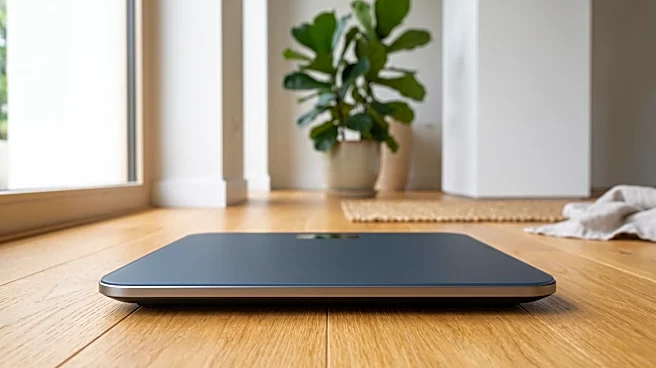
Withings smart scales have become bestsellers in the U.S. market, offering users advanced body composition tracking capabilities. These devices are part of a broader ecosystem of connected health devices from Withings, which also includes blood pressure
monitors, hybrid watches, and sleep tracking mats. The smart scales utilize Bioelectrical Impedance Analysis (BIA) to measure weight and various body composition metrics, such as body fat and muscle mass, by sending a weak electrical current through the body. All Withings products, including their smart scales, seamlessly sync with the free Health Mate app, available on both iOS and Android platforms, allowing for comprehensive health tracking and long-term trend analysis. This integration provides users with a holistic view of their health data, enabling them to monitor progress and make informed decisions about their wellness journey.
Why It's Important?
The rise of Withings smart scales to bestselling status in the U.S. signifies a growing consumer interest in detailed personal health monitoring beyond traditional weight tracking. This trend reflects a broader shift towards proactive health management and the adoption of technology to gain deeper insights into one's physical well-being. For the healthcare industry, the increasing popularity of such devices could lead to more data-driven approaches to preventive care and personalized health recommendations. Companies like Withings stand to gain significantly from this market expansion, as their integrated ecosystem encourages customer loyalty and repeat purchases. Consumers benefit from accessible tools that empower them to track and understand their body composition, potentially leading to improved fitness outcomes and overall health awareness. The success of these smart scales also highlights the importance of user-friendly apps and seamless data synchronization in the connected health device market.
What's Next?
The continued success of Withings smart scales and similar connected health devices is likely to drive further innovation in the personal health technology sector. We can anticipate more advanced sensors, improved accuracy in body composition measurements, and enhanced integration with other health platforms and services. The competitive landscape may intensify as more companies enter the market, potentially leading to a wider range of features and more affordable options for consumers. Additionally, as these devices become more prevalent, there may be increased scrutiny regarding data privacy and security, prompting manufacturers to implement more robust safeguards. The integration of smart scale data with electronic health records (EHRs) could also become more common, facilitating better communication between patients and healthcare providers and enabling more personalized medical advice.
Beyond the Headlines
The widespread adoption of smart scales like those from Withings points to a deeper cultural shift towards self-quantification and data-driven personal health. This trend raises important questions about the psychological impact of constant health monitoring and the potential for both empowerment and anxiety among users. Ethically, the collection and use of sensitive body composition data by private companies warrant careful consideration regarding data ownership, privacy, and potential commercial exploitation. Legally, as these devices become more integrated into healthcare, regulations around medical device classification and data interoperability may need to evolve. Culturally, the emphasis on precise body metrics could influence societal perceptions of health and fitness, potentially fostering both healthier habits and unrealistic body image expectations. The long-term implications of this data-rich approach to personal health will continue to unfold, shaping how individuals interact with their bodies and the healthcare system.