





What's Happening?
Gardening Know How is providing expert advice on how to prevent and manage scale insect infestations in houseplants, particularly as cooler weather approaches and plants are moved indoors. Scale insects, often mistaken for rough spots on plants, feed
through a straw-like mouthpart, causing leaves to yellow and growth to stunt. The article highlights that while adult scale insects are protected by a waxy shell, their young, known as crawlers, are vulnerable to treatments. Common host plants include citrus, jade plants, hibiscus, ficus, bay laurel, oleander, and orchids. The publication emphasizes the importance of inspecting plants thoroughly before bringing them inside for the fall and winter months, as indoor environments lack natural predators that control scale populations outdoors.
Why It's Important?
The guidance from Gardening Know How is crucial for U.S. homeowners and plant enthusiasts, as scale infestations can severely damage or kill houseplants, leading to financial losses and the spread of pests to other plants. Preventing infestations reduces the need for chemical treatments, promoting healthier indoor environments and potentially saving consumers money on replacement plants and pest control products. The advice on isolating infested plants and using specific treatments for different life stages of the scale insect provides practical steps for effective pest management. This information helps maintain the aesthetic and health benefits of indoor gardening, which has seen a surge in popularity across the U.S.
What's Next?
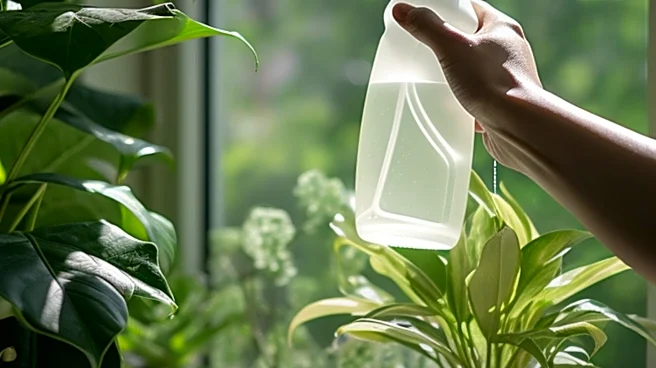
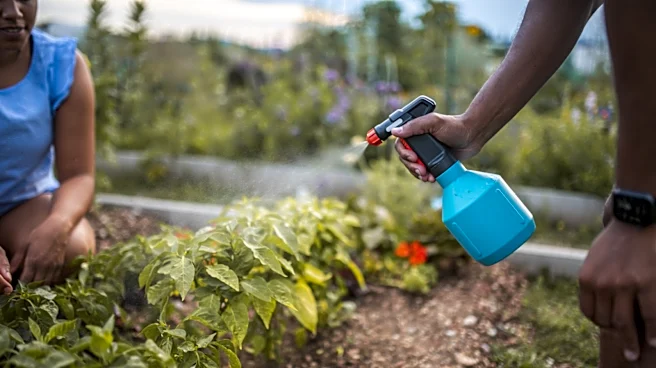
Homeowners are advised to implement a proactive protection plan, starting with a thorough inspection and treatment of outdoor plants before temperatures drop. Once plants are indoors, continuous monitoring throughout the winter is recommended, with weekly checks for new growth, leaf joints, and undersides of leaves. If infestations are found, immediate isolation of the affected plant is critical to prevent spread. Treatments range from manual removal with isopropyl alcohol for minor cases to horticultural oil or insecticidal soap for heavier infestations. The article suggests a schedule of two or three treatment rounds spaced 10 to 16 days apart, with specific instructions to test any spray on a few leaves first.
Beyond the Headlines
The issue of houseplant pest management extends beyond individual plant health, touching upon broader ecological and economic implications. The reliance on natural predators outdoors highlights the delicate balance of ecosystems, which is disrupted in indoor settings. The advice to use less toxic treatments like horticultural oils and insecticidal soaps aligns with a growing consumer preference for organic and environmentally friendly pest control methods. This trend reflects a larger cultural shift towards sustainable living and a greater awareness of the impact of chemicals on indoor air quality and personal health. Effective pest management also contributes to the longevity of plants, fostering a deeper connection between individuals and their living spaces.