






What's Happening?
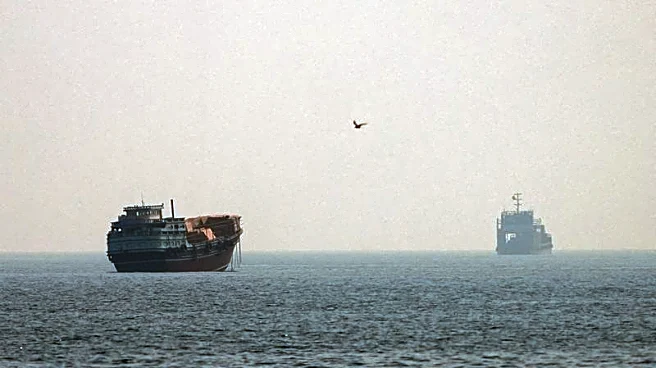
U.S. refineries, including Marathon Petroleum, are experiencing significant profits due to the blockade in the Strait of Hormuz and global oil market tensions. Despite President Trump's claims of oil flowing freely, the reality is that the blockade has
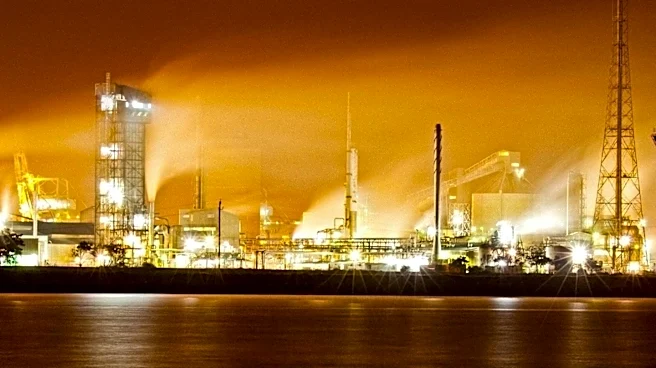
led to record profits for U.S. refineries. These refineries, located primarily on the Gulf Coast, are benefiting from high margins on gasoline, diesel, and jet fuel production. The situation has created a fuel crisis rather than an oil crisis, with U.S. refineries capitalizing on the increased demand and price differentials.
Why It's Important?
The current geopolitical tensions and the resulting blockade in the Strait of Hormuz have highlighted the strategic importance of U.S. refineries in the global oil market. Companies like Marathon Petroleum are well-positioned to benefit from the increased demand for refined products and the favorable crack spread. This situation underscores the critical role of refining capacity and infrastructure in maintaining energy security and market stability. The profitability of U.S. refineries during this crisis demonstrates their ability to adapt to changing market conditions and capitalize on global supply disruptions.
What's Next?
As geopolitical tensions continue, U.S. refineries are likely to maintain their strong financial performance. The ongoing demand for refined products and the favorable market conditions will support their profitability. However, the situation also highlights the need for strategic investments in refining capacity and infrastructure to ensure long-term competitiveness. U.S. refineries will need to navigate potential regulatory changes and market fluctuations to sustain their market position. The energy sector's response to these challenges will be crucial in shaping future market dynamics and investment strategies.