






What's Happening?
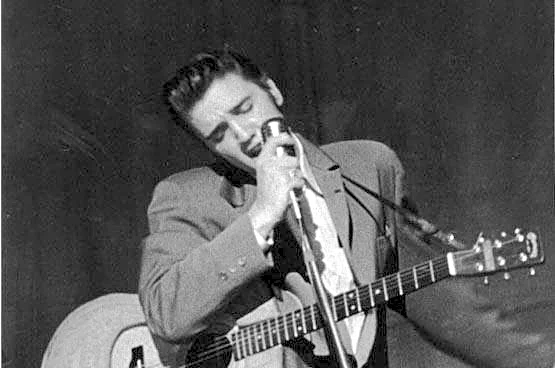
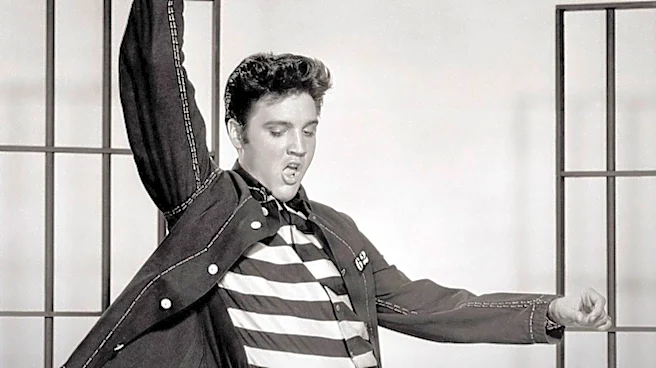
1956 marked the year Elvis Presley became widely recognized as the King of Rock 'n' Roll. This pivotal year saw Elvis release his debut RCA single 'Heartbreak Hotel,' make his first appearances on 'The Ed Sullivan Show,' and star in his first movie 'Love
Me Tender.' His commercial success was unprecedented, with millions of records sold and merchandise generating significant revenue. The year also saw Elvis perform numerous concerts, solidifying his status as a cultural icon. Despite his popularity, Elvis faced controversy over his performance style, which some critics deemed provocative.
Why It's Important?
Elvis Presley's rise in 1956 had a profound impact on the music industry and popular culture. His success helped establish rock 'n' roll as a dominant genre, influencing countless artists and shaping the future of music. Elvis's ability to cross racial and cultural boundaries contributed to the integration of American music, challenging societal norms. His commercial achievements demonstrated the potential for musicians to become global superstars, paving the way for future artists. The controversies surrounding his performances highlighted the cultural tensions of the era, reflecting broader societal changes.
Beyond the Headlines
Elvis's ascent in 1956 also had significant implications for the entertainment industry. His success demonstrated the power of television in shaping public perception and boosting an artist's career. The merchandising boom associated with Elvis highlighted the potential for artists to generate revenue beyond music sales, influencing marketing strategies for future celebrities. Additionally, the backlash against Elvis's performance style underscored the cultural divide in America, with rock 'n' roll becoming a symbol of youthful rebellion. These developments contributed to the ongoing evolution of the entertainment industry and its relationship with society.