

What's Happening?
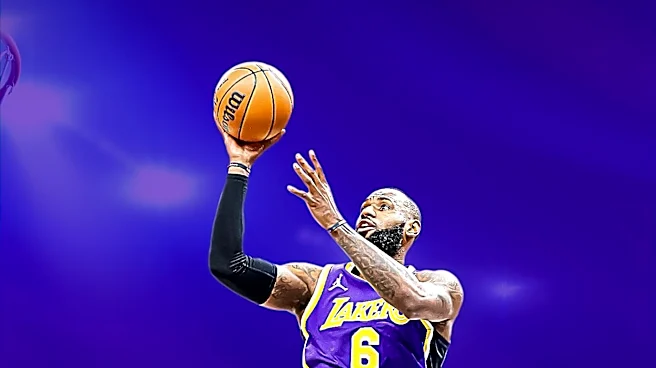
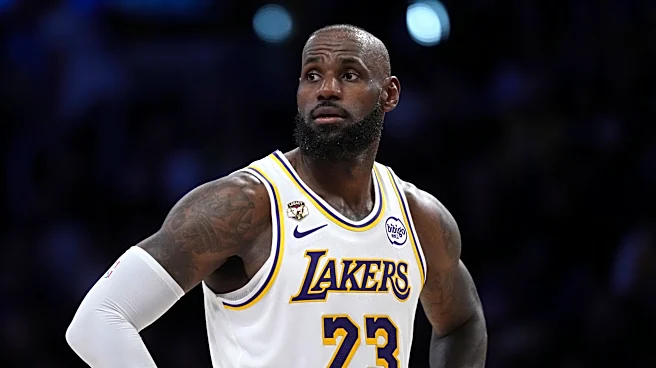
Former NBA guard Gilbert Arenas has put forth a theory suggesting that players who are teammates with LeBron James tend to receive less media scrutiny for off-court issues. During an episode of 'Gil's Arena,' Arenas, joined by other former players like
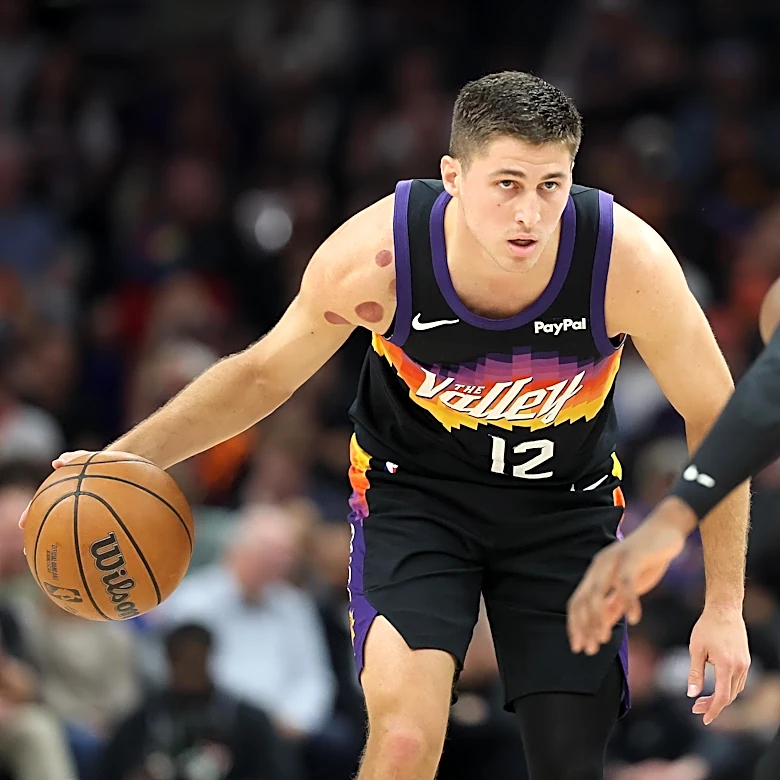
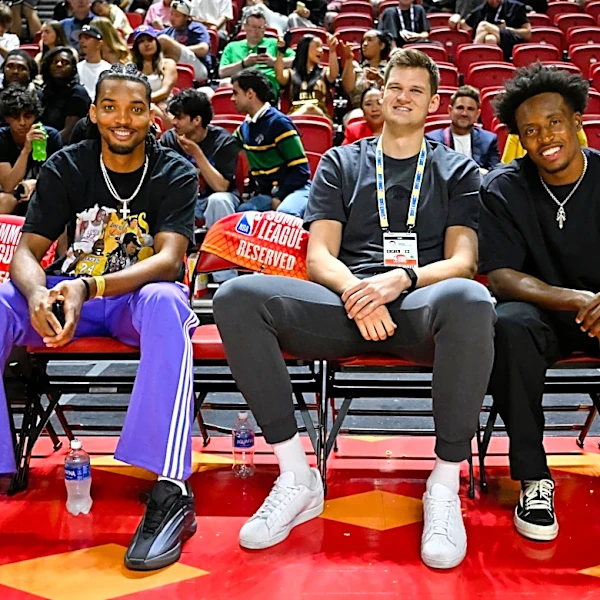
DeMarcus Cousins and Danny Green, discussed this perceived phenomenon. Green humorously referred to it as 'diplomatic immunity.' Arenas's theory posits that the media's attention on players' personal lives or controversies seems to diminish when they are associated with James, only to potentially resurface or intensify once they leave his team. Arenas cited examples like Tristan Thompson and Kentavious Caldwell-Pope, though the timelines for some of these examples did not fully align with his broader claim.
Why It's Important?
This discussion raises important questions about media dynamics and player perception within the NBA, particularly concerning high-profile athletes like LeBron James. If Arenas's theory holds any truth, it could imply an uneven application of media scrutiny, potentially affecting players' public images, endorsement opportunities, and even their careers. The 'diplomatic immunity' concept suggests that the presence of a superstar might inadvertently shield teammates from intense public and media examination, which could have both positive and negative implications for individual players and team cohesion. It also highlights the significant influence a player of James's stature can have, not just on the court but also on the narrative surrounding his teammates.
What's Next?
While Arenas's comments are currently a theory without concrete evidence of James directly controlling media coverage, the discussion may prompt further examination by sports journalists and analysts into how player narratives are shaped, especially around superstar athletes. It could lead to more critical analysis of media reporting patterns concerning teammates of prominent figures in sports. This conversation might also influence how current and former players perceive their own experiences and the media's role in their public lives. The ongoing nature of sports media and the constant scrutiny of athletes mean that such theories, once aired, often become part of the broader discourse surrounding the league.
Beyond the Headlines
Beyond the immediate sports context, Arenas's theory touches on broader themes of celebrity influence and media bias. It suggests that the gravitational pull of a major celebrity can alter how peripheral figures are perceived and reported on. This phenomenon isn't unique to sports; it can be observed in various fields where individuals are associated with highly influential personalities. The concept of 'diplomatic immunity' in this context speaks to the power of association and how it can inadvertently shape public narratives, potentially creating an environment where certain individuals are afforded different levels of scrutiny based on their connections rather than solely on their actions. This raises ethical considerations for media outlets regarding fairness and impartiality in reporting.