


What's Happening?
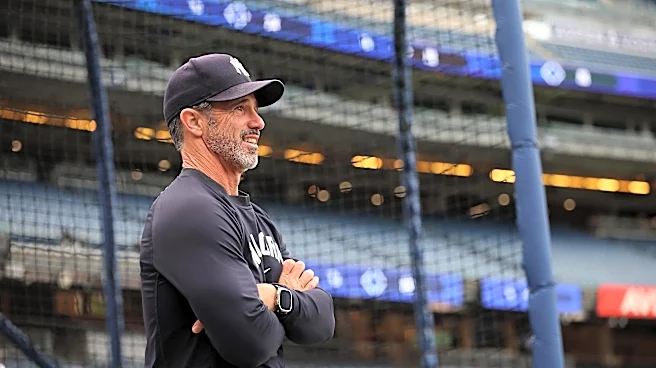
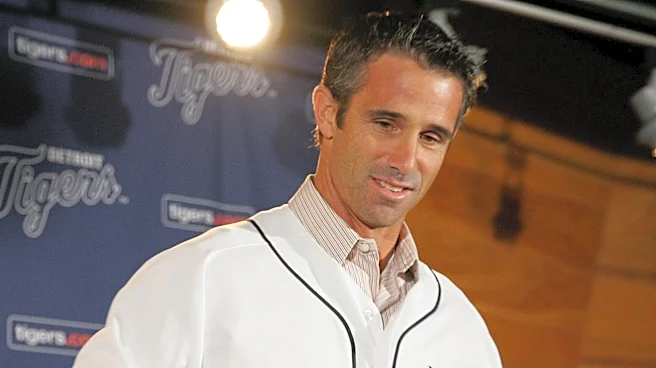
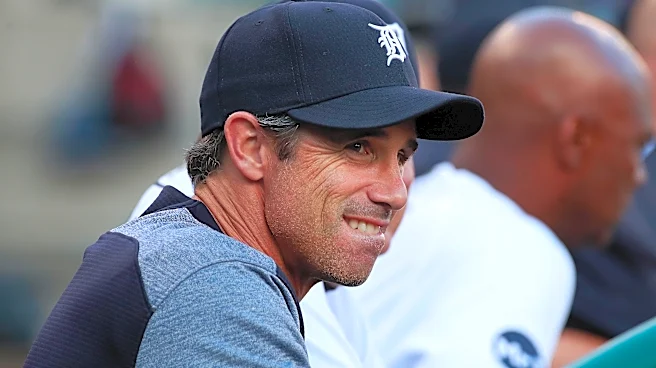
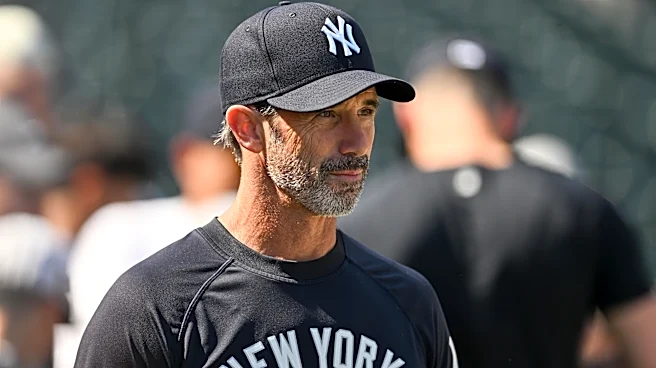
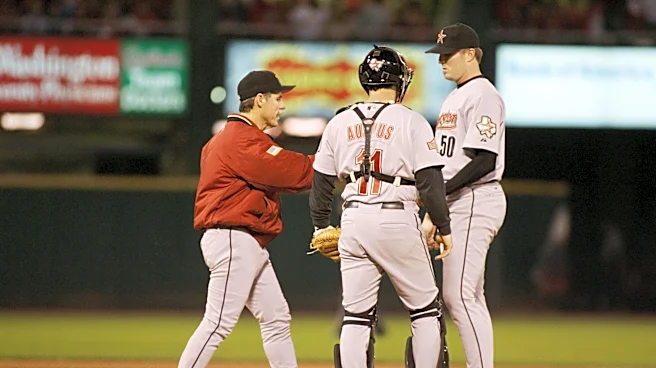
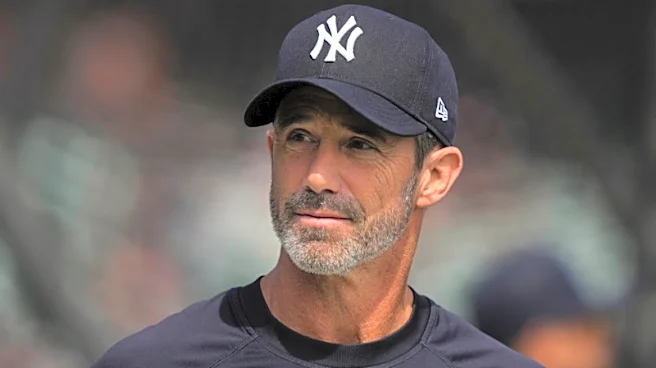
The Houston Astros' recent hiring decisions for manager and general manager have generated significant internal and external scrutiny. Brad Ausmus was formally announced as the new manager, a decision that has been met with bewilderment due to his .478
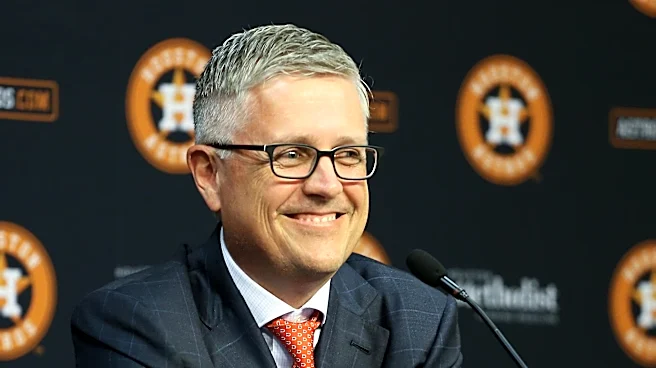
winning percentage in previous managerial roles with the Detroit Tigers and Los Angeles Angels. His prior experience includes serving as a bench coach for the Athletics under Mark Kotsay and the New York Yankees under Aaron Boone. The hiring of new GM Randy Flores, formerly an assistant GM for the St. Louis Cardinals, has also raised questions, with some segments of the fanbase perceiving him as the lesser of two candidates. There are suggestions that Astros owner Jim Crane and Jeff Bagwell, who reportedly holds significant influence, were involved in Ausmus's hiring before Flores was even brought on board, leading to speculation about the true decision-making process.
Why It's Important?
The perceived lack of a clear, unified decision-making process in the Houston Astros' recent managerial and general manager hires could have significant repercussions for the team's future. A management structure where the owner and influential figures bypass the new GM in key hiring decisions can undermine the GM's authority and create internal power struggles. This instability can negatively impact team cohesion, player morale, and ultimately, on-field performance. For a team that has enjoyed considerable success, such internal discord could jeopardize its competitive edge. Fans and media are already questioning the rationale behind these hires, which could erode public trust and support. The situation highlights the critical importance of clear leadership and a cohesive organizational vision in professional sports, where the stakes are high for both financial investment and fan engagement.
What's Next?
The Houston Astros face immediate challenges in establishing a clear and unified leadership structure following the controversial hires of manager Brad Ausmus and GM Randy Flores. Flores will need to quickly assert his authority and demonstrate his strategic vision to quell doubts among the fanbase and within the organization. The team's performance in the upcoming season will be a critical test of these new appointments. If the team struggles, the existing questions about the hiring process and potential internal power dynamics are likely to intensify. Conversely, if the Astros maintain their competitive standing, it could validate the decisions, however unconventional they may appear. The situation also sets the stage for potential future conflicts if the perceived influence of owner Jim Crane and Jeff Bagwell continues to overshadow the new GM's role, potentially leading to further organizational instability.
Beyond the Headlines
The Astros' hiring saga extends beyond typical sports management decisions, touching upon themes of organizational governance and the balance of power within a professional sports franchise. The perception that key decisions are being made outside the established hierarchy, particularly by an owner and a former player with significant influence, raises questions about accountability and transparency. This scenario could set a precedent for how other teams approach their leadership structures, potentially leading to more owner-centric decision-making or, conversely, a stronger emphasis on empowering general managers. The long-term implications could include a shift in how front office roles are defined and the extent to which external figures can shape a team's direction. It also underscores the ongoing tension between traditional baseball wisdom and modern analytical approaches in team building, with the Astros' choices potentially serving as a case study for the effectiveness of different management philosophies.