



What's Happening?
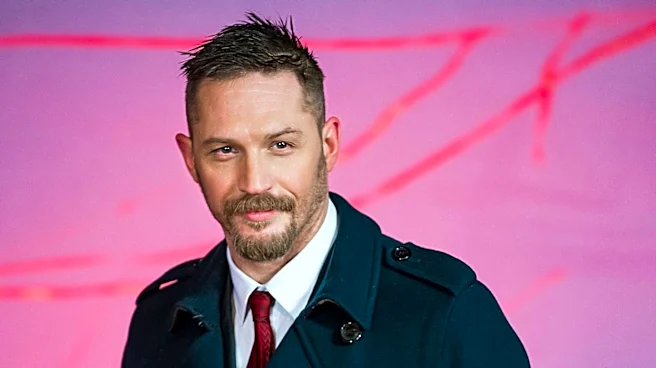
Actor Tom Hardy is confirmed to return for the third season of the Paramount+ series 'MobLand' as fixer Harry Da Souza. This announcement, made on September 3, came two weeks before the second season's premiere and followed earlier reports in May from
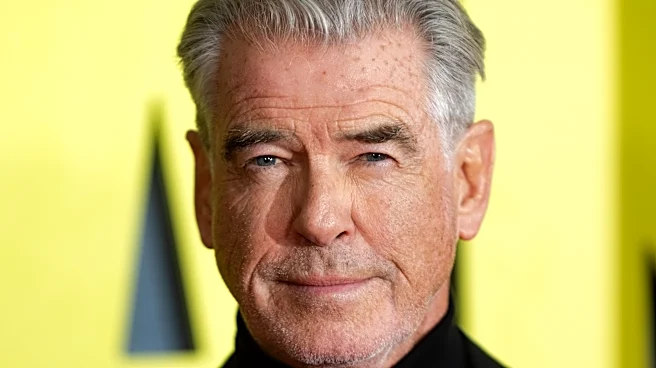
Matthew Belloni's Puck newsletter suggesting Paramount had opted not to pick up Hardy for season three due to alleged clashes with producers Jez Butterworth and David Glasser. The initial reports detailed grievances such as Hardy being late to set, attempting to rework dialogue, sending script notes, and dissatisfaction with the show evolving into an ensemble piece. Butterworth reportedly threatened to quit, with Paramount initially leaning towards retaining the writer over the star. However, a meeting in London in June involving Hardy, Butterworth, Glasser, and executive producer Guy Ritchie led to a resolution. Co-stars Helen Mirren and Pierce Brosnan publicly defended Hardy, with Brosnan stating, 'Tom is MobLand. Without Tom, we don't have MobLand. He is the center.' Hardy himself denied any firing, walking away, or arguments during the season 2 press tour.
Why It's Important?
This development is significant for the entertainment industry as it highlights the complex dynamics between lead actors, showrunners, and studios in high-profile productions. The initial reports of Hardy's potential departure created considerable buzz, suggesting a power struggle where a studio might prioritize creative leadership over star power. His eventual return, however, underscores the critical role a lead actor can play in a show's identity and success, as articulated by co-star Pierce Brosnan. The public defense from Mirren and Brosnan also illustrates the solidarity among cast members and their influence in shaping narratives around production disputes. For Paramount+, securing Hardy's return ensures continuity for a key series and potentially maintains its viewership, especially given the show's renewal for a third season. The resolution also demonstrates the industry's capacity for negotiation and reconciliation to preserve valuable projects and talent.
What's Next?
With Tom Hardy confirmed for 'MobLand' Season 3, production is expected to move forward with its established lead. The resolution of the reported conflicts suggests a more stable working environment for the upcoming season. Viewers can anticipate Hardy's continued portrayal of Harry Da Souza alongside Pierce Brosnan and Helen Mirren. The show's renewal and the confirmation of its star indicate Paramount+'s commitment to the series. Future developments will likely focus on the creative direction of Season 3, including plotlines and character arcs, especially given the reported shift towards an ensemble cast that proved successful in Season 2. The industry will also observe how the collaborative dynamic between Hardy, Butterworth, and Glasser evolves following their reconciliation, potentially setting a precedent for handling similar disputes in other productions.
Beyond the Headlines
The 'MobLand' situation offers a deeper look into the intricate balance of power and creative control within television production. The initial reports of Tom Hardy's potential firing brought to light the tension between a star's vision for their character and a showrunner's overall creative direction. This dynamic is a recurring theme in Hollywood, where the success of a project often hinges on the harmonious collaboration of diverse talents. The public support from co-stars like Helen Mirren and Pierce Brosnan also highlights the informal but powerful influence of peer endorsement in mitigating professional disputes and shaping public perception. Furthermore, the eventual resolution, involving key stakeholders meeting to 'work out a way forward,' underscores the pragmatic nature of the industry, where commercial viability and artistic integrity often necessitate compromise and negotiation to ensure a project's continuation and success. This case could serve as a model for how high-stakes conflicts can be resolved through dialogue rather than immediate termination.