


What's Happening?
The Atlanta Braves' financial report for 2026 has raised questions regarding the effectiveness of their roster investments, despite the team winning the division and a postseason series. CEO Terry McGuirk stated that the team made a 'deliberate decision
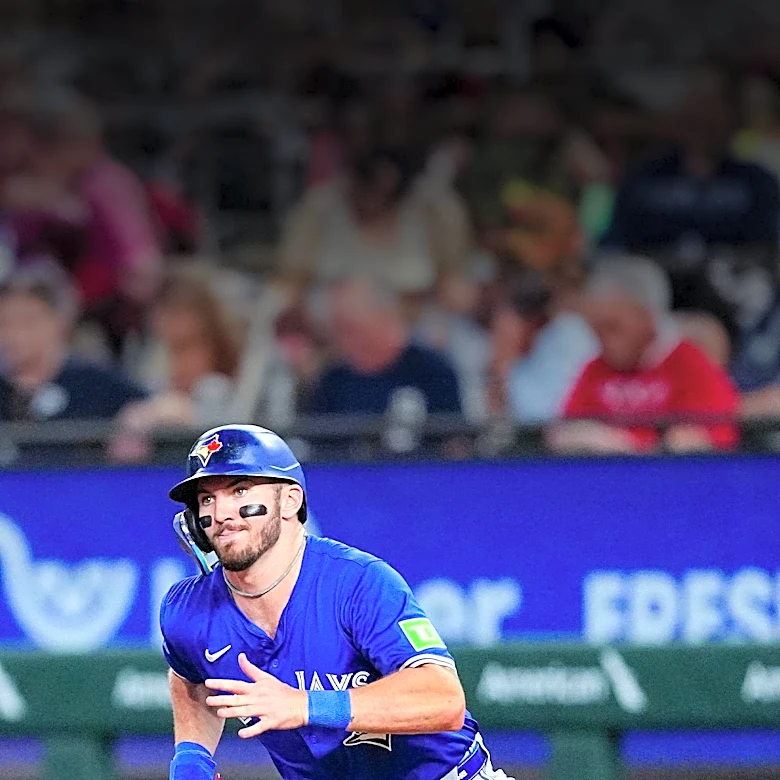
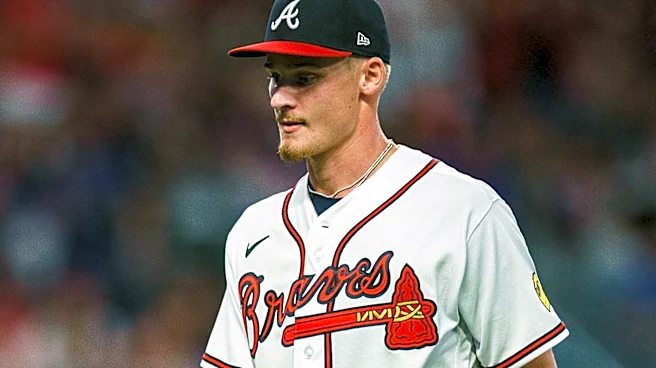
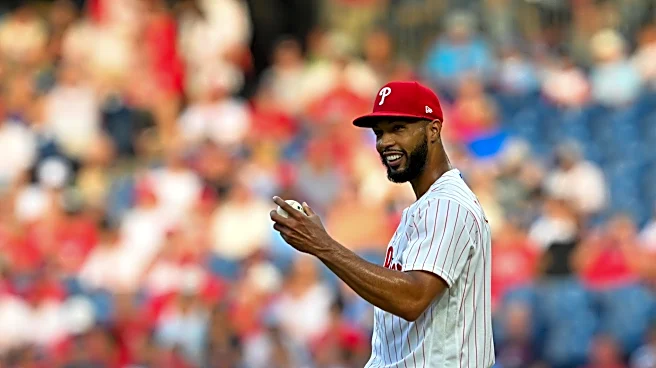
to invest in our roster,' resulting in a 'meaningfully higher' major league payroll. However, an analysis of player transactions reveals that while the Braves added $77 million in contracts, $27.5 million of this was due to existing contracts increasing in value. The net impact of these moves, which included adding eight meaningful contracts and removing three, resulted in a gain of only 2.4 WAR (Wins Above Replacement), primarily attributed to Mauricio Dubon. The other seven added players contributed 0.0 WAR, and the WAR total from players who did not return from 2025 was 2.9, suggesting a net backward movement in WAR despite increased spending.
Why It's Important?
This situation is important for the business of sports, particularly in MLB, as it highlights the complex relationship between payroll spending and on-field success. The Braves' experience in 2026 suggests that simply increasing salary expenditures does not automatically translate to improved performance, challenging the notion of 'buying wins.' This analysis could influence future financial strategies for the Braves and other MLB teams, prompting a closer examination of how player acquisitions and contract extensions genuinely contribute to team WAR and overall success. It also impacts fan perception, as a significant increase in payroll without a proportional increase in WAR might lead to skepticism about the efficiency of team management's investment decisions.
What's Next?
Following this financial review, the Atlanta Braves' management will likely face increased scrutiny regarding their roster construction and spending habits for the upcoming seasons. Future investment decisions will probably be evaluated more critically, with a greater emphasis on the tangible on-field impact of new contracts and player acquisitions. The team may need to refine its strategy for player evaluation and contract negotiation to ensure that financial outlays directly contribute to improved team performance. This could lead to a more data-driven approach to player valuation, focusing on WAR and other advanced metrics to justify significant payroll increases. The outcome of these future decisions will be closely watched by fans, financial analysts, and other MLB franchises.
Beyond the Headlines
The Braves' 2026 financial results underscore a broader debate within professional sports about the optimal allocation of resources. It challenges the conventional wisdom that higher spending automatically leads to greater success, suggesting that the quality and strategic fit of investments are more critical than the sheer volume of spending. This scenario could prompt a re-evaluation of team-building philosophies across the league, encouraging a shift towards more analytical and value-driven approaches rather than simply escalating payrolls. It also touches upon the ethical dimension of sports management, where accountability for financial decisions is increasingly tied to measurable on-field results, impacting both the team's competitive standing and its financial health.