
What's Happening?
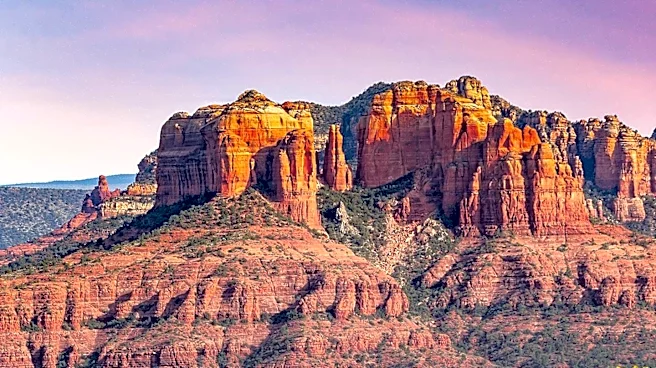
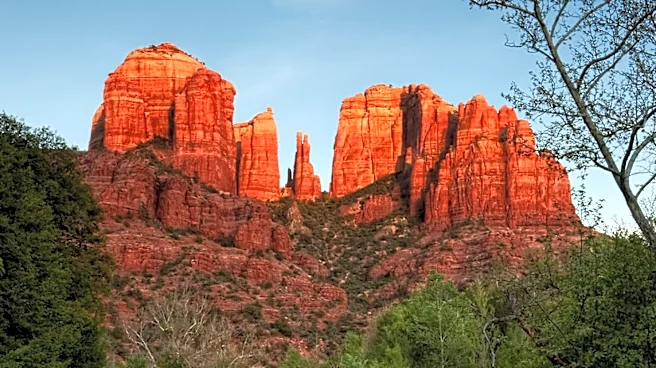
Sedona, Arizona, has been recognized as the world's premier destination for dining at dusk, surpassing other renowned locations like Santorini. This distinction, according to AZ Big Media, is based on several
factors, including the high percentage of restaurants offering outdoor seating (40.7%), minimal summer rainfall (0.7mm), and sunsets that linger for nearly 27 minutes. The United States features prominently in the global top 10 for sunset dining, with five additional U.S. destinations—Carmel-by-the-Sea, Bar Harbor, Santa Barbara, Po’ipū, and Monterey—also making the list. This highlights the country's abundance of scenic spots ideal for al fresco dining as the sun sets. The ranking was compiled by tailor-made holiday specialists at Journeyscape, who analyzed criteria such as the number of restaurants with outdoor dining, sunset duration, sunset timing, and average rainfall to identify top destinations for memorable sunset dining experiences with natural backdrops.
Why It's Important?
This recognition is significant for Sedona's tourism and hospitality industries, potentially boosting its appeal as a travel destination. Being named the world's best for sunset dining can attract more visitors, leading to increased revenue for local businesses, including restaurants, hotels, and related services. The inclusion of multiple U.S. cities in the top 10 also underscores a broader trend in the American tourism sector, emphasizing unique outdoor dining experiences. This could encourage other U.S. cities with scenic views to invest in and promote similar offerings, fostering regional economic growth and competition within the tourism market. For consumers, this ranking provides a curated guide to exceptional dining experiences, influencing travel decisions and potentially shifting tourist flows towards these highlighted locations.
What's Next?
Sedona can leverage this new ranking in its marketing and promotional campaigns to attract a wider audience of domestic and international tourists. Local businesses, particularly restaurants with outdoor seating, are likely to see an increase in demand, potentially leading to expansions or new culinary offerings tailored to sunset dining. Other U.S. destinations that made the top 10, such as Carmel-by-the-Sea and Santa Barbara, may also capitalize on their recognition to enhance their tourism appeal. This trend could inspire further research and development in the tourism industry to identify and promote other unique experiential travel opportunities, focusing on natural beauty and dining experiences. The increased visibility could also lead to infrastructure improvements and greater investment in preserving the natural landscapes that contribute to these destinations' allure.
Beyond the Headlines
The emphasis on 'dusk dining' reflects a broader shift in traveler preferences towards experiential and immersive holidays. It highlights a desire not just to visit a place, but to engage with its natural rhythms and unique atmosphere. This trend has implications for urban planning and environmental conservation, as destinations strive to maintain the natural beauty that underpins such experiences. There's also a cultural aspect, as dining becomes less about mere sustenance and more about a holistic sensory experience, integrating food, nature, and ambiance. This could lead to a greater appreciation for local ecosystems and a push for sustainable tourism practices to preserve these valuable natural assets for future generations. The ranking also subtly points to the economic value of natural phenomena like sunsets, transforming them into marketable assets for tourism.