
What's Happening?
The history of Palisade peaches in Colorado dates back to 1882 when John Harlow planted the first fruit trees in Mesa County. Despite initial challenges, including the death of many trees, Harlow's efforts
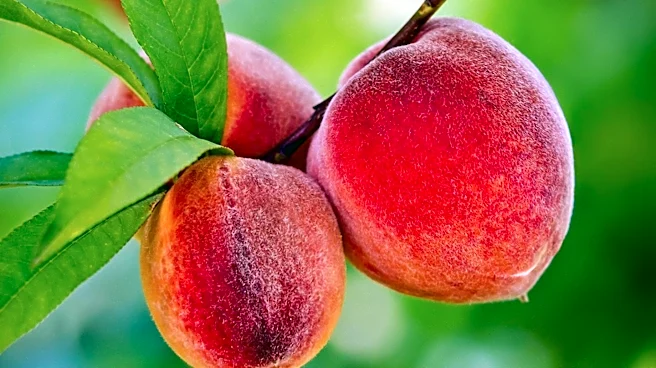
eventually led to a thriving peach industry in the Grand Valley. The completion of the Grapevine Ditch, which provided necessary water for irrigation, was a turning point for the orchard's success. Today, Palisade peaches are renowned for their sweetness and juiciness, and the region's agricultural heritage is celebrated annually with the Palisade Days peach festival.
Why It's Important?
The development of the peach industry in Palisade is a significant part of Colorado's agricultural history, contributing to the state's economic and cultural identity. The success of Harlow's orchard laid the foundation for a thriving agricultural sector that continues to impact the local economy. The annual peach festival attracts thousands of visitors, highlighting the importance of agriculture in regional tourism and community identity. This historical narrative underscores the role of innovation and perseverance in overcoming environmental challenges to establish a sustainable industry.
Beyond the Headlines
The story of Palisade peaches reflects broader themes of agricultural innovation and adaptation in the face of environmental challenges. It highlights the importance of water management and infrastructure development in supporting agricultural growth. The legacy of Harlow's orchard serves as a reminder of the enduring impact of early settlers on Colorado's economic landscape. The continued celebration of Palisade Days underscores the cultural significance of agriculture in shaping community identity and fostering regional pride.