



What's Happening?
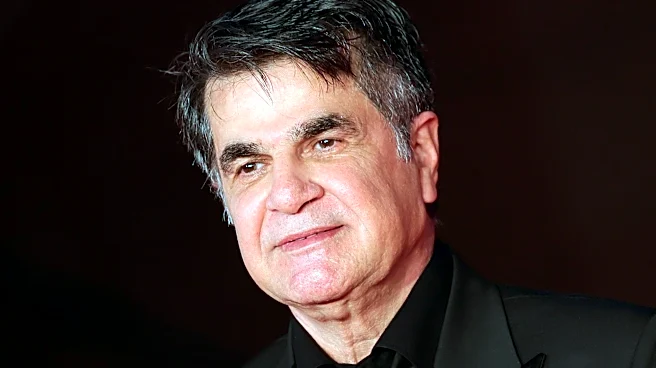
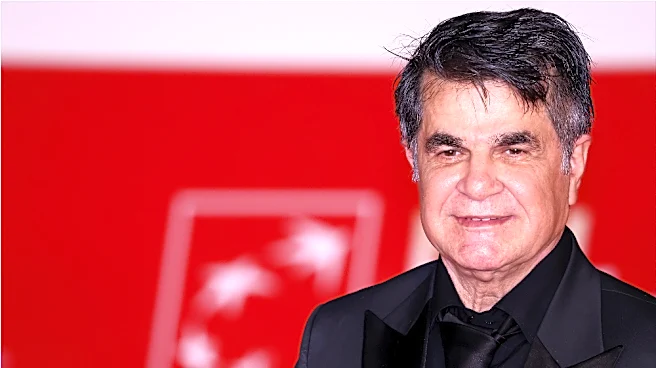
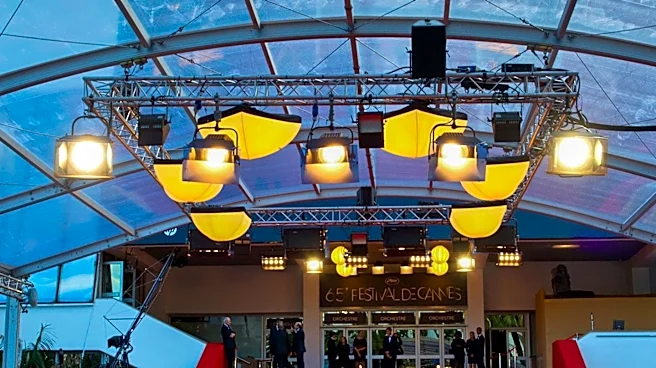
The Cannes Film Festival has issued an official statement condemning the escalating legal sanctions against acclaimed Iranian filmmaker Jafar Panahi. This condemnation follows reports from Iranian media revealing that Branch 26 of the Tehran Revolutionary
Court handed Panahi a new five-year, one-month prison sentence. This sentence also includes a two-year ban on travel and social media activity, along with an order for the confiscation of his personal assets. The festival is urging the international cultural community to intervene and prevent his imminent imprisonment. According to Panahi’s attorney, Mostafa Nili, this latest conviction was issued in absentia in a separate legal proceeding, one of three active cases against the director. Authorities reportedly failed to issue official summonses while Panahi was still in the country. This new ruling adds to a previous one-year prison sentence and a two-year travel ban imposed in 2025 for alleged propaganda activities against the state.
Why It's Important?
This situation highlights the ongoing challenges faced by artists and filmmakers in certain regions who express views critical of their governments. The Cannes Film Festival's strong condemnation underscores the international cultural community's commitment to artistic freedom and human rights. The festival's call for intervention emphasizes the belief that no artist should be incarcerated for their work or ideas. This case could set a precedent for how international cultural bodies respond to similar instances of perceived judicial persecution against artists. It also brings attention to the broader issue of state censorship and restrictions on freedom of expression, which can have a chilling effect on creative endeavors globally. The confiscation of assets and travel bans further restrict Panahi's ability to work and live freely, impacting his personal life and professional career.
What's Next?
The Cannes Film Festival has called for the immediate lifting of all state restrictions preventing Panahi from traveling, creating, and expressing himself freely. The international cultural community is urged to intervene, suggesting potential diplomatic or advocacy efforts to pressure Iranian authorities. Panahi's attorney, Mostafa Nili, may pursue further legal avenues to challenge the conviction and sentence. The situation could also lead to increased international scrutiny of Iran's human rights record, particularly concerning artistic freedom. Future actions might include protests, petitions, or boycotts from various cultural organizations and human rights groups, aiming to secure Panahi's release and ensure his ability to continue his work without fear of reprisal.
Beyond the Headlines
The persecution of Jafar Panahi extends beyond a single legal case; it represents a broader struggle for artistic freedom and human rights in Iran. Panahi has faced decades of state censorship and detention, including a seven-month imprisonment in Evin Prison and a sweeping 20-year filmmaking and travel ban imposed in 2010. His continued defiance, even after publicly condemning the Iranian government's suppression of pro-democracy protests, highlights the immense personal risk artists take when challenging authoritarian regimes. The international recognition he has received, including the Palme d’Or and an Oscar nomination, underscores the global value placed on his artistic contributions and the universal appeal of his narratives, which often critique societal issues. This case serves as a stark reminder of the fragility of artistic liberty and the critical role international solidarity plays in supporting persecuted artists worldwide.