


What's Happening?
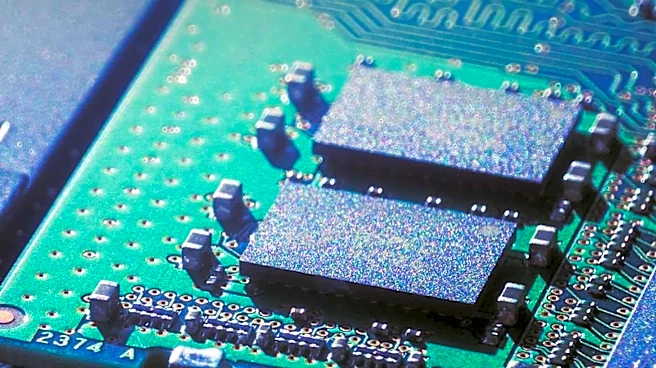
The global RAM supply crisis is worsening, with significant price increases for RAM and SSDs affecting consumer electronics. DDR-5 DRAM prices have nearly sextupled since February 2025, with two 16GB sticks of DDR5-6000 RAM now costing around $600, up from
$100. SSDs and hard drives have also seen price hikes, with SSDs costing three times more than in early 2025. The crisis is driven by high demand from AI data centers and a lack of production capacity. Major RAM suppliers like Micron, Samsung, and SK Hynix are experiencing record profits but are unable to meet the growing demand.
Why It's Important?
The RAM supply crisis has significant implications for the electronics industry, potentially leading to higher prices for consumer devices such as smartphones and computers. Companies like Apple, which rely on RAM and SSDs for their products, may face increased production costs, potentially passing these costs onto consumers. The crisis highlights the vulnerability of global supply chains and the impact of technological advancements, such as AI, on resource demand. It also underscores the need for increased production capacity and innovation in manufacturing processes to meet future demands.
What's Next?
The RAM supply shortage is expected to persist until at least 2028, with manufacturers working to expand production capacity. This expansion, however, is a long-term solution, taking several years to implement. In the short term, consumers may face higher prices for electronics, and companies may need to find ways to optimize their products to use less RAM. The situation may also prompt regulatory scrutiny and discussions on supply chain resilience and technological dependencies.