






What's Happening?
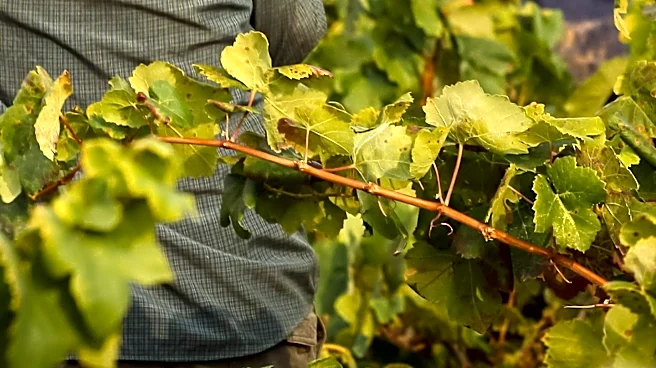
Farmers and traders in Kandahar, Afghanistan, a major fruit-producing province, are calling for better market access and transportation routes for their grapes and raisins. Kandahar is renowned for its agricultural products, particularly grapes and golden-colored
Abjosh raisins, which have historically been exported to Pakistan, India, and other regional markets. These exports have been a significant source of income and employment. However, recent years have seen a decline in raisin prices, creating financial difficulties for farmers. For instance, Sakhi Jan, a grape orchard owner in Zhari district, noted that the price for seven kilograms of raisins has fallen from 1,000-1,200 Afghanis to 400-450 Afghanis. Despite a good harvest this year, the lack of suitable transportation routes to foreign countries is hindering profitable sales. The Kandahar Department of Agriculture, Irrigation and Livestock anticipates grape production to reach 205 tonnes this year, with over 20,000 hectares dedicated to grape orchards. Approximately 50% of harvested grapes are processed into raisins for local markets.
Why It's Important?
The challenges faced by Kandahar's fruit industry highlight broader economic vulnerabilities in agricultural regions dependent on exports. The decline in raisin prices directly impacts the livelihoods of thousands of farmers and traders, exacerbating financial difficulties for families and potentially leading to increased poverty. The lack of adequate transportation infrastructure not only limits market access but also reduces the competitive edge of Afghan agricultural products on the international stage. This situation underscores the critical need for robust trade policies and infrastructure development to support local economies. If these issues are not addressed, it could lead to a significant downturn in the agricultural sector, which is a cornerstone of the regional economy, affecting employment rates and overall economic stability. The call for government intervention to secure better markets reflects a broader plea for economic support and stability in a region heavily reliant on its agricultural output.
What's Next?
Farmers and traders are urging the government and the Chamber of Commerce to collaborate on establishing better export routes and market opportunities for their agricultural products. Abdul Baqi Bina, deputy head of the Kandahar Chamber of Commerce and Investment, stated that efforts are underway to facilitate the transportation of this year’s Abjosh raisin production to India and other Asian countries. Indian traders have already traveled to Kandahar to purchase dried fruit, intending to export them to New Delhi via alternative routes. There is hope that raisin prices will improve once the harvest is completed, given the excellent quality of this year's yield. However, the recent increase in air freight costs remains a concern for dried-fruit traders, potentially impacting the profitability of exports. Continued collaboration between local authorities, trade bodies, and international partners will be crucial to address these challenges and ensure the long-term viability of Kandahar's fruit industry.
Beyond the Headlines
The struggles of Kandahar's fruit farmers extend beyond immediate economic concerns, touching upon issues of regional stability and international trade dynamics. The reliance on neighboring countries for export markets, coupled with fluctuating prices and transportation challenges, underscores the need for diversified trade partnerships and resilient supply chains. The situation also highlights the broader impact of geopolitical factors and regional conflicts on local economies, as stable trade routes and predictable market conditions are essential for agricultural prosperity. Furthermore, the call for government support reflects a desire for greater economic integration and a more structured approach to agricultural development, which could foster long-term stability and reduce vulnerability to external shocks. Addressing these issues could not only boost the local economy but also contribute to overall regional development and peace.