


What's Happening?
Ulysses Wu, MD, with Hartford HealthCare, highlights the significant role a freezer can play in promoting healthy eating habits. Dr. Wu emphasizes that frozen foods, when chosen wisely, can be a valuable asset for building better eating routines, especially
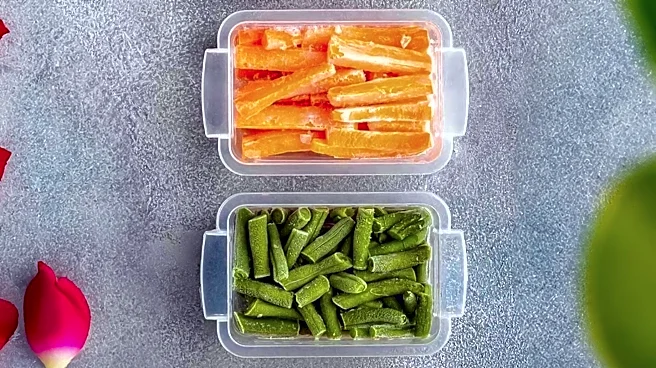
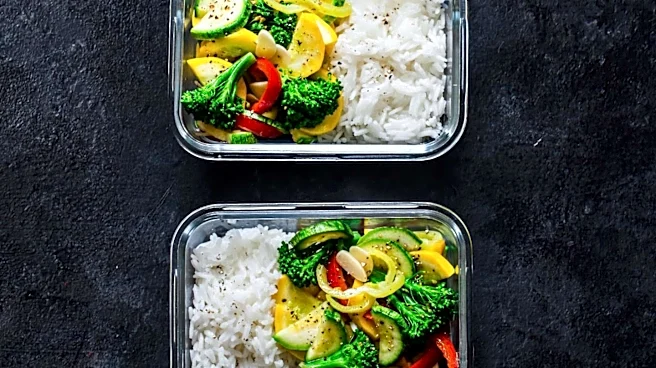
for individuals with busy schedules or those looking to reduce food waste. He advises stocking freezers with items like frozen vegetables, which retain nutritional value as they are picked and frozen at peak freshness. Dr. Wu also recommends keeping various proteins, such as chicken breasts, salmon, or lean ground turkey, in the freezer to simplify meal preparation. Additionally, he suggests having backup frozen meals like soups, whole-grain meals, or burrito bowls for nights when cooking is not feasible, and freezing fruits for easy breakfasts and snacks. Freezing leftovers before they lose appeal is also encouraged to prevent waste and ensure healthy options are always available.
Why It's Important?
Dr. Wu's advice from Hartford HealthCare is crucial for addressing common barriers to healthy eating in the U.S., such as time constraints, food waste, and the temptation of unhealthy convenience foods. By demonstrating how a well-stocked freezer can facilitate nutritious meal preparation, this guidance empowers individuals to make healthier choices consistently. This approach can lead to improved dietary habits, potentially reducing the prevalence of diet-related health issues. For healthcare providers, promoting such practical strategies can be an effective component of patient education on wellness and disease prevention. Economically, reducing food waste through proper freezing techniques can save households money, while also supporting a more sustainable food system. The emphasis on convenience without sacrificing nutritional value aligns with modern lifestyle demands, making healthy eating more accessible to a broader population.
What's Next?
Individuals are encouraged to re-evaluate their freezer usage based on Dr. Wu's recommendations, focusing on stocking up on nutrient-dense frozen vegetables, proteins, and pre-prepared healthy meals. This guidance suggests a shift towards more proactive meal planning and food management at home. Hartford HealthCare and similar institutions may continue to offer educational resources and workshops on practical healthy eating strategies, including optimal freezer organization and meal prepping techniques. The broader food industry might also respond by increasing the availability of high-quality, minimally processed frozen food options that align with these health recommendations. Consumers can expect to see more emphasis on the nutritional benefits and convenience of frozen foods as part of a balanced diet.
Beyond the Headlines
The focus on the freezer as a tool for healthy eating extends beyond mere food storage; it touches upon the psychological and behavioral aspects of dietary choices. Dr. Wu's advice to organize freezers so healthy foods are visible and accessible highlights the importance of environmental cues in shaping eating habits. This strategy can help combat decision fatigue and impulse eating, which often lead to less healthy choices. Furthermore, the concept of 'leaving room for foods you enjoy' within a healthy framework addresses the sustainability of dietary changes, acknowledging that overly restrictive diets are often unsustainable. This holistic perspective on food management, integrating convenience, nutrition, and psychological well-being, represents a more realistic and effective approach to long-term healthy living in the U.S.