



What's Happening?
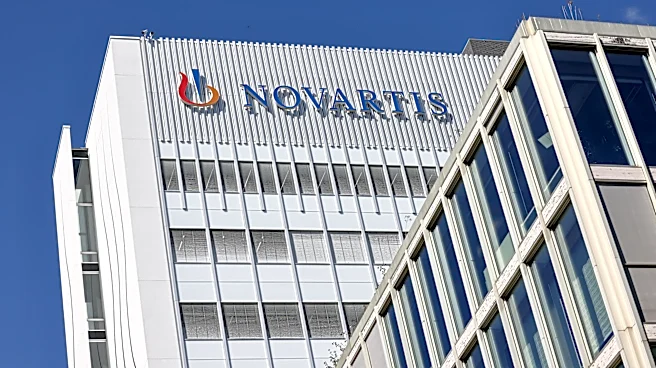
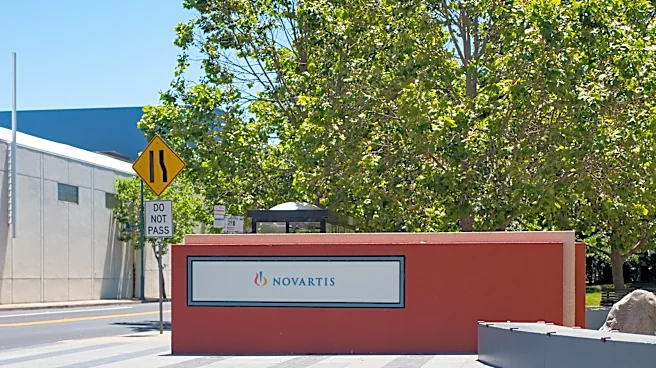
Vas Narasimhan, the CEO of Novartis, has joined the board of directors for Anthropic, an artificial intelligence company, in April 2026. This move highlights a growing trend of convergence between the pharmaceutical industry and AI technology. Pharmaceutical
giants like Novartis and Roche are significantly increasing their investments in AI for drug discovery and development, with the top 20 pharmaceutical companies spending approximately $29.5 billion on AI drug discovery deals in 2025, a substantial rise from $15.4 million the previous year. Concurrently, AI leaders such as Anthropic and OpenAI are actively developing tools tailored for the scientific, clinical, and commercial needs of the data-intensive pharmaceutical sector. This collaboration is also leading to a migration of high-level pharmaceutical talent to AI companies, often for advisory roles or board positions, to help guide the development of AI solutions for healthcare.
Why It's Important?
The integration of pharmaceutical leadership into AI companies like Anthropic signifies a strategic alignment aimed at accelerating innovation in healthcare. This trend is crucial for the U.S. pharmaceutical industry, which faces immense pressure to reduce the time and cost associated with drug development. AI-driven R&D efforts are projected to cut time and costs by 25% to 50% in the drug discovery phase. The involvement of experienced pharmaceutical executives like Narasimhan can provide AI companies with invaluable industry insights, ensuring that AI tools are developed to meet specific, complex needs of drug discovery, clinical trials, and market access. This collaboration could lead to more efficient drug pipelines, potentially bringing new treatments to patients faster and at a lower cost, while also creating new career pathways for professionals with combined expertise in pharmaceuticals and AI.
What's Next?
The increasing collaboration between pharmaceutical and AI sectors suggests a future where AI plays a more central role in every stage of drug development, from initial research to commercialization. We can anticipate more partnerships between established pharmaceutical companies and AI startups, leading to a greater exchange of talent and expertise. AI companies may continue to recruit pharmaceutical professionals for their boards and as consultants to refine their healthcare-focused AI applications. The long-term impact will depend on whether AI drug discovery companies evolve into traditional biotechnology firms with their own drug pipelines or remain platform providers. This evolution will dictate the scale of talent migration from pharma to AI and the competitive landscape for attracting top professionals in both fields.
Beyond the Headlines
This convergence raises deeper implications regarding the future of pharmaceutical innovation and the ethical considerations of AI in healthcare. The shift of talent and investment towards AI-driven drug discovery could fundamentally alter traditional R&D models, potentially democratizing access to advanced research tools. However, it also brings challenges related to data privacy, algorithmic bias in drug development, and regulatory frameworks for AI-generated therapies. The ethical responsibility of AI companies in developing tools that directly impact human health will become paramount. Furthermore, the long-term success of these collaborations will depend on fostering a culture that bridges the traditionally conservative pharmaceutical industry with the fast-paced, iterative nature of AI development, potentially leading to new interdisciplinary academic programs and professional training requirements.