



What's Happening?
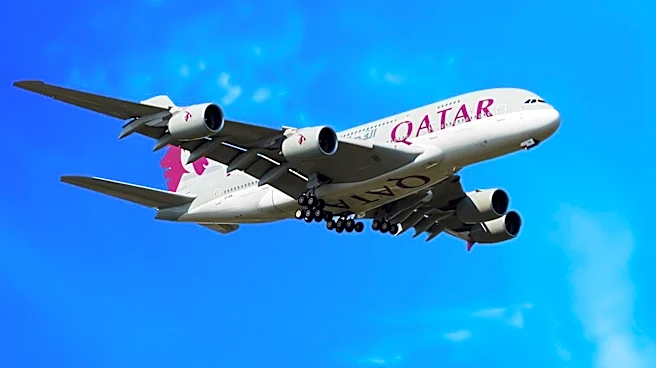
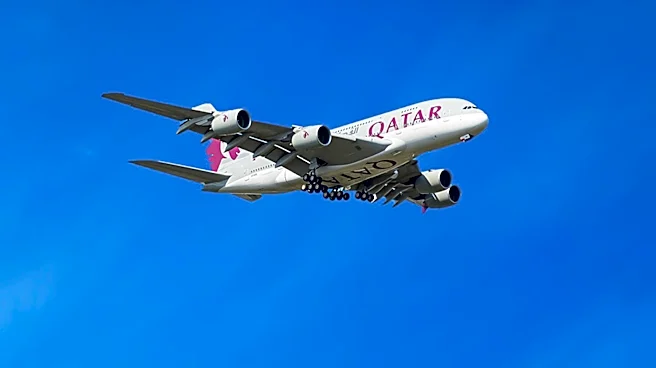
Qatar Airways is implementing several significant changes to its premium offerings and fleet. The highly anticipated next-generation Qsuite, initially slated for a late 2025 debut on the Boeing 777-9, has been delayed. Due to the Boeing 777-9's uncertain
delivery schedule, the new Qsuite will now launch on the Airbus A350-1000, with delivery expected in mid-2027. This next-gen Qsuite will feature social seating options at the window. Additionally, Qatar Airways expects to receive its first of ten Airbus A321LR aircraft by the end of the current year, with its inaugural flight scheduled for January 1, 2027. These A321LRs will be equipped with 16 lie-flat business class seats, each featuring a sliding privacy door, drawing inspiration from the Qsuite design but marketed as STELIA Aerospace OPERA seats. The airline's CEO, Hamad Ali Al-Khater, also indicated that Qatar Airways is 'seriously considering' introducing a premium economy cabin, a product increasingly adopted by competitors.
Why It's Important?
These developments from Qatar Airways carry significant implications for the competitive landscape of long-haul air travel, particularly for U.S. travelers and airlines. The delay of the next-gen Qsuite could impact Qatar Airways' ability to maintain its competitive edge in the ultra-premium business class market against rivals who are continually upgrading their offerings. However, the introduction of new A321LRs with lie-flat business class seats signifies a strategic move towards expanding premium service on more niche, potentially less-trafficked routes, which could open new direct travel options for U.S. passengers to various destinations in Asia and Africa. The consideration of premium economy also reflects a broader industry trend, suggesting Qatar Airways aims to capture a segment of travelers seeking more comfort than economy without the full cost of business class. If implemented, this could intensify competition for U.S. carriers that already offer or are expanding their premium economy products, potentially leading to more diverse and competitive pricing for consumers.
What's Next?
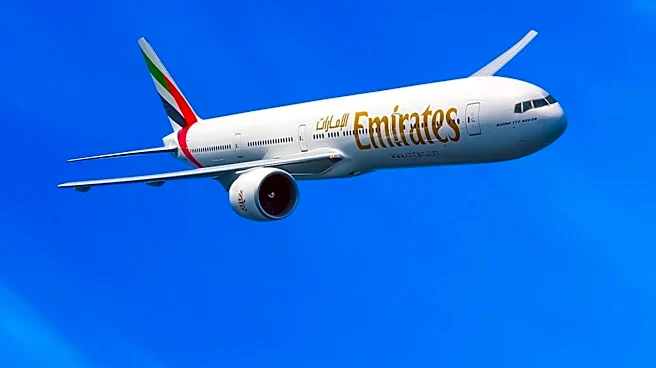
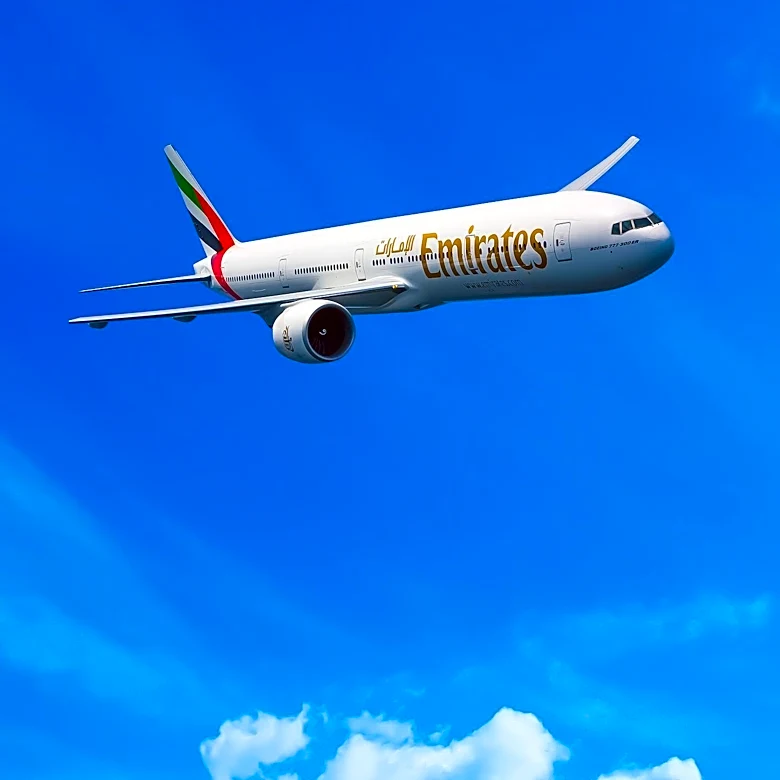
Looking ahead, Qatar Airways will proceed with the delivery of its first Airbus A321LR by the end of this year, with its first commercial flight planned for January 1, 2027, initially serving Munich. Following this, the aircraft is expected to be deployed on more specialized routes in Asia and Africa. The airline will also continue its preparations for the launch of its next-generation Qsuite on the Airbus A350-1000, anticipated for mid-2027. Further announcements regarding the specific features and routes for the new Qsuite are likely as the delivery date approaches. The airline's 'serious consideration' of a premium economy cabin suggests that a formal decision and subsequent rollout plan could be announced in the coming months or years, especially as competitors like Emirates continue to enhance their premium economy offerings. This could lead to a new wave of cabin product announcements and competitive adjustments across the global airline industry.
Beyond the Headlines
The strategic shifts by Qatar Airways highlight a broader evolution in the airline industry, particularly concerning passenger expectations and aircraft utilization. The delay of the Qsuite on the Boeing 777-9 underscores the ongoing challenges faced by airlines due to aircraft manufacturing delays, forcing carriers to adapt their fleet and product rollout strategies. The decision to deploy advanced lie-flat business class seats on narrow-body A321LRs signifies a growing trend among airlines to offer premium long-haul experiences on smaller aircraft, enabling direct flights to secondary markets that might not sustain wide-body service. This could fundamentally alter how passengers perceive long-haul travel, making more direct routes available with premium amenities. Furthermore, the potential introduction of premium economy by a traditionally full-service, luxury-focused airline like Qatar Airways reflects a recognition of the diverse demands of modern travelers, balancing luxury with value. This move could influence other premium carriers to re-evaluate their cabin configurations and pricing strategies, potentially leading to a more stratified and competitive market for international air travel.