




What's Happening?
The Financial Action Task Force (FATF) has kept Kenya on its 'grey list' of jurisdictions under increased monitoring for anti-money laundering (AML) and counter-terrorist financing (CTF) deficiencies. This decision was made following the FATF plenary
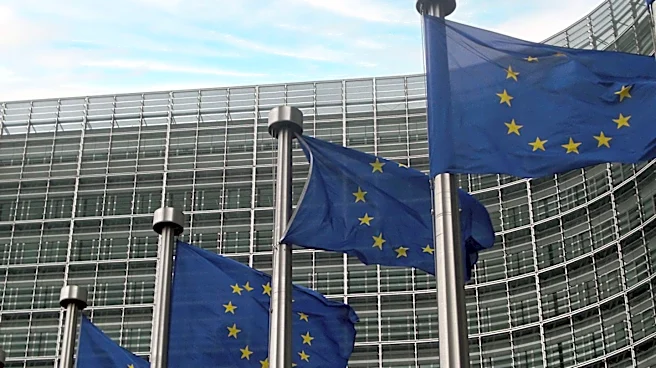
session held from October 28 to 30, 2026. Kenya was initially placed on this list in February 2024. While Kenya has demonstrated progress in areas such as risk-based supervision, suspicious transaction report (STR) reporting, beneficial ownership information, and targeted financial sanctions, the FATF noted remaining issues. These include the need for stronger measures on the transparency of legal persons and arrangements, as well as an increase in money laundering investigations and prosecutions that align with risk assessments. The European Commission has also designated Kenya as a high-risk third country. The next FATF plenary is scheduled for February 2027, where Kenya's progress will be further reviewed.
Why It's Important?
Kenya's continued presence on the FATF 'grey list' carries significant implications for its economy and businesses. Foreign banks and international partners are mandated to apply enhanced due diligence to Kenyan counterparties, increasing scrutiny and potentially complicating international transactions. Domestically, local regulators are intensifying inspections of businesses to ensure compliance with AML/CFT regulations. This heightened oversight can lead to increased operational costs and administrative burdens for Kenyan companies engaged in international trade or seeking foreign investment. The 'grey listing' also impacts the country's reputation, potentially deterring foreign direct investment and hindering economic growth. For U.S. businesses and financial institutions, this means a need for increased vigilance and more rigorous compliance checks when dealing with Kenyan entities to mitigate risks associated with financial crime and maintain adherence to international AML standards.
What's Next?
Kenya is expected to continue its efforts to address the remaining deficiencies identified by the FATF before the next plenary session in February 2027. This will likely involve implementing stronger measures to enhance the transparency of legal entities and arrangements, and increasing the number and effectiveness of money laundering investigations and prosecutions. Kenyan businesses should anticipate ongoing and potentially intensified scrutiny from both local and international financial institutions. They will need to ensure their AML compliance programs are robust, up-to-date, and capable of meeting enhanced due diligence requirements. The government's ability to demonstrate substantial progress in these areas will be crucial for its potential removal from the 'grey list', which would alleviate some of the current financial and reputational pressures.
Beyond the Headlines
The FATF's 'grey listing' of Kenya underscores a broader global effort to combat financial crime and promote transparency in the international financial system. This move highlights the interconnectedness of global finance, where deficiencies in one jurisdiction can trigger enhanced scrutiny and operational challenges across borders. Beyond the immediate economic impacts, the situation in Kenya reflects the ongoing challenge many developing nations face in building robust regulatory frameworks and enforcement capabilities to meet evolving international standards. The emphasis on beneficial ownership transparency and effective prosecutions points to a global shift towards holding individuals and entities accountable for illicit financial activities, moving beyond mere procedural compliance. This trend suggests that countries and businesses worldwide will continue to face pressure to strengthen their anti-financial crime measures.