






What's Happening?
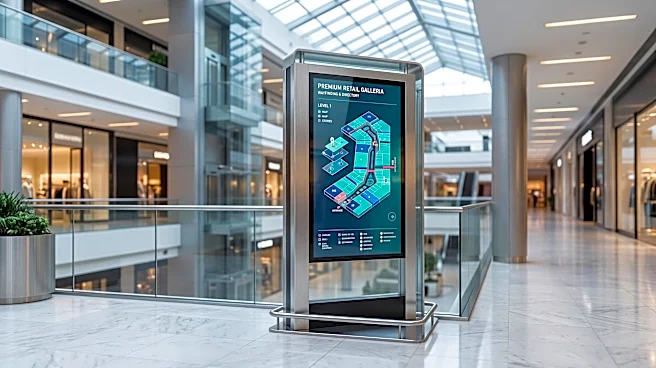
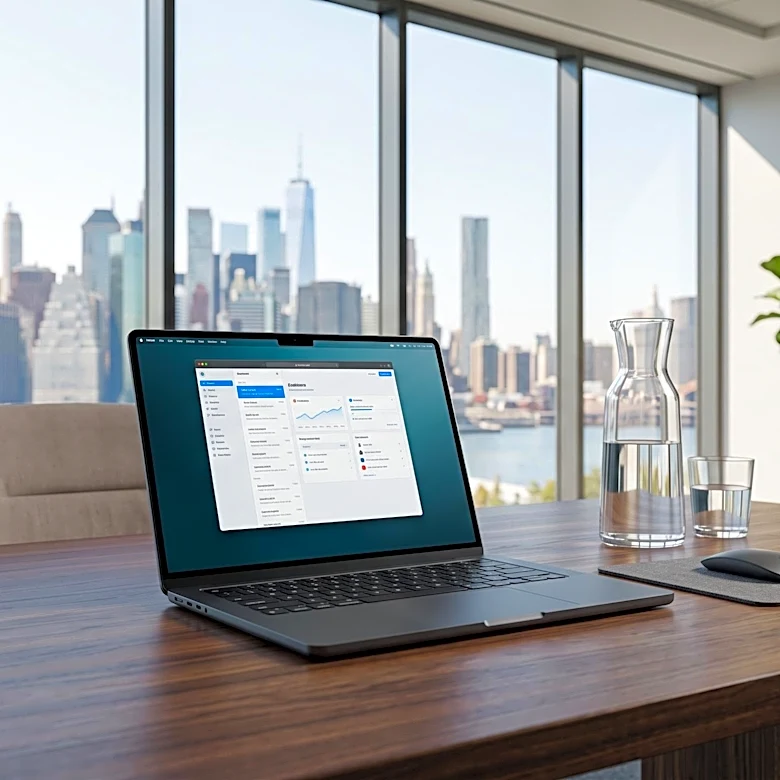
ExpoFP has launched new interactive mall map software designed to enhance the visibility and management of retail activations, seasonal kiosks, and pop-up spaces within shopping malls. This browser-based tool allows commercialization teams to embed a live
map on mall websites, utilize it on kiosks, and reuse it for various campaigns. The software addresses the challenges posed by static mall plans, which often make it difficult for brands to visualize potential activation locations and for shoppers to find open activations. By providing a dynamic and navigable layout, ExpoFP aims to streamline the process for both operators and visitors, making commercial spaces inside malls easier to understand and monetize. The system allows for real-time updates of campaigns and highlights featured placements, moving beyond the limitations of traditional PDF layouts.
Why It's Important?
This development is significant for the U.S. retail industry, particularly for mall operators and brands seeking to maximize the potential of temporary retail spaces. The ability to visualize and manage pop-up spaces and kiosks on a live, interactive map can lead to increased efficiency in space allocation and improved revenue generation for mall owners. For brands, it offers a clearer understanding of available locations and better visibility for their activations, potentially driving more foot traffic and sales. Shoppers also benefit from enhanced wayfinding, making it easier to discover and engage with temporary retail experiences. This technology could contribute to revitalizing physical retail environments by making them more dynamic and accessible, ultimately impacting the economic viability of shopping centers across the country.
What's Next?
Mall and retail activation teams are expected to adopt this interactive mapping technology to improve their operational efficiency and enhance the customer experience. The software's ability to update campaigns in-house and highlight featured placements suggests a shift towards more agile and data-driven management of retail spaces. This could lead to increased demand for similar interactive solutions in other commercial real estate sectors. Furthermore, the integration of such tools could influence how temporary retail is planned and executed, potentially fostering more innovative and engaging pop-up concepts. The continued evolution of this technology may also include further integration with customer analytics and marketing platforms to provide even deeper insights into activation performance.
Beyond the Headlines
The introduction of interactive mall map software reflects a broader trend in retail towards digital transformation and enhanced customer engagement. Beyond its immediate practical benefits, this technology underscores the growing importance of seamless digital-physical integration in commercial spaces. It highlights how data visualization and real-time information can empower both businesses and consumers, creating more efficient and satisfying retail experiences. This shift could also influence urban planning and commercial development, as interactive mapping tools become standard for managing complex public and commercial environments. The ethical implications of data collection through such platforms, particularly regarding shopper behavior and preferences, will also become an increasingly relevant consideration for operators and regulators.