



What's Happening?
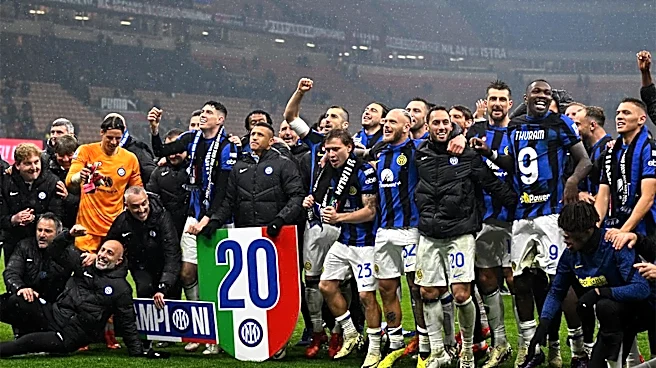
Inter Milan is undergoing a financial transformation under the ownership of Oaktree Capital, following the end of the Suning era. Oaktree, known for investing in distressed assets, took control of the club after Suning failed to repay its debts. The transition
aims to stabilize Inter's finances, focusing on reducing debt and ensuring long-term sustainability. The club has seen improvements in its financial health, with increased revenue from broadcasting rights and commercial activities, despite the lingering effects of past financial mismanagement.
Why It's Important?
The financial restructuring of Inter Milan is crucial for the club's future stability and competitiveness. Under Oaktree's management, the focus is on creating a sustainable financial model that does not rely heavily on debt. This approach could serve as a blueprint for other football clubs facing similar financial challenges. The changes at Inter also highlight the growing influence of private equity in football, which could reshape the industry's financial landscape.
Beyond the Headlines
The shift in ownership and financial strategy at Inter Milan reflects broader trends in football, where financial stability is increasingly prioritized over short-term success. The involvement of private equity firms like Oaktree could lead to more disciplined financial management across the industry. However, it also raises questions about the long-term implications of such investments on the sport's traditional structures and values.