



What's Happening?
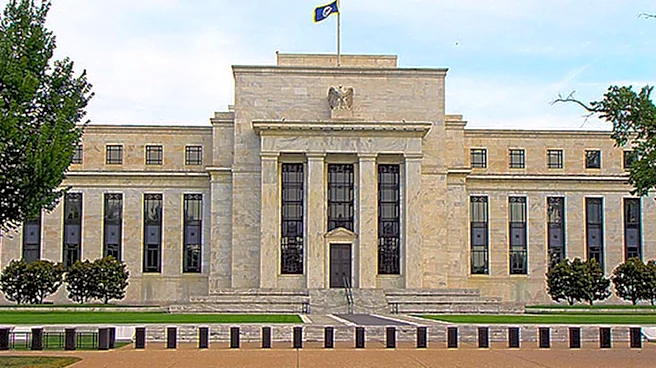
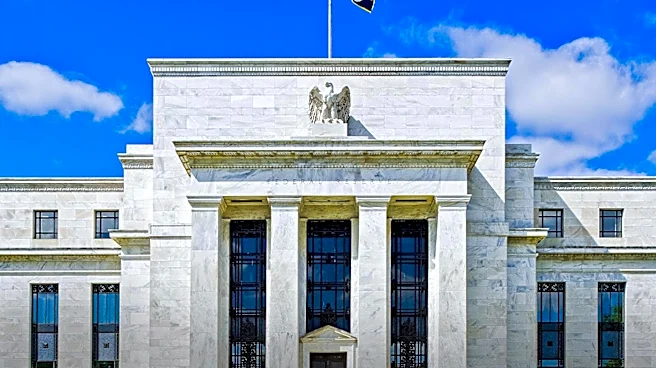
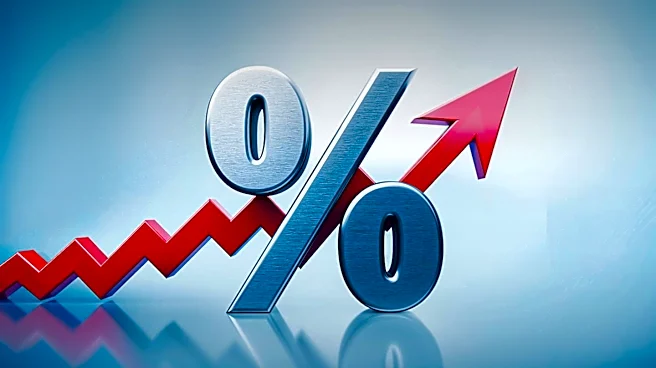
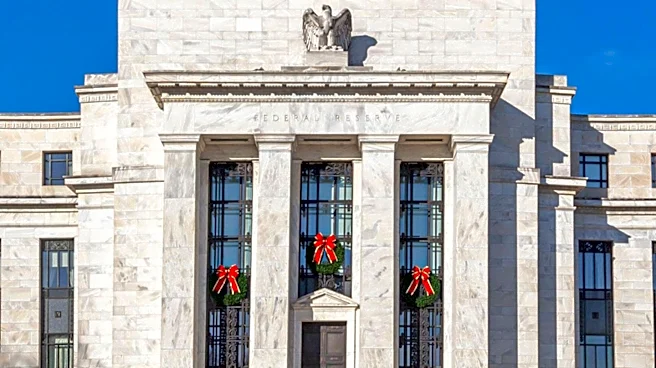
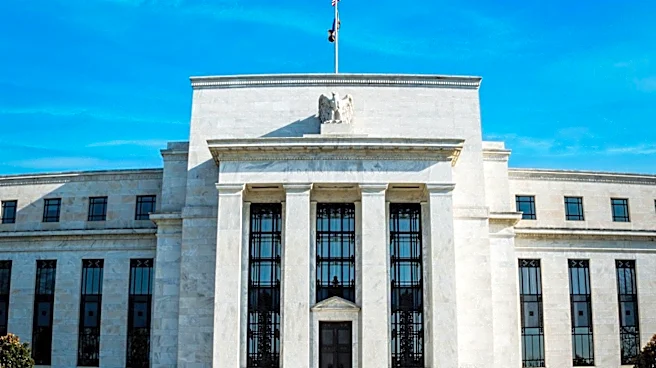
The U.S. Federal Reserve is preparing to raise interest rates despite a soft equity market, a move that is historically rare. Analysis by InvestmentNews indicates that out of 76 rate increases between 1980 and 2018, only two occurred during a sustained
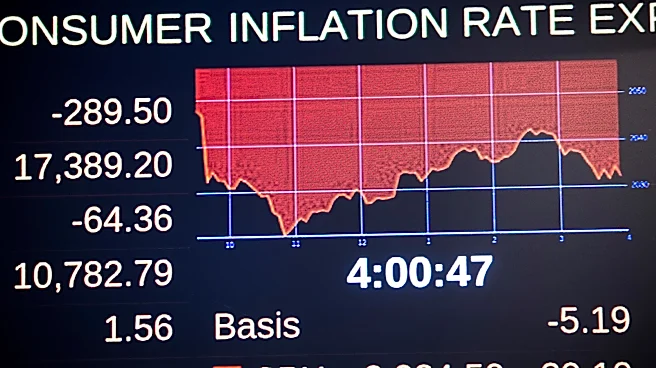
downward trend in the S&P 500. Currently, the S&P 500 closed at its lowest level since July on November 17, while the October Consumer Price Index (CPI) data has led markets to price in a rate hike at the December 8-9 Federal Open Market Committee (FOMC) meeting. This situation presents an unusual point in the equity cycle for the Fed to be tightening monetary policy. Unlike previous periods, such as 2018 when former Chair Jerome Powell eventually signaled patience amidst a market sell-off, current high inflation levels provide less flexibility for the Fed to pause its tightening measures, even if equity markets are weak.
Why It's Important?
This impending rate hike by the Federal Reserve, occurring during a soft equity market, is significant because it breaks from a long-standing pattern where the central bank often cushioned market declines. This departure signals the Fed's strong commitment to combating inflation, even at the risk of further market volatility. For investors, this means a less predictable environment where the 'Fed put'—the expectation that the Fed will intervene to support markets—may no longer be a reliable assumption. The current high inflation rate severely limits the Fed's room to maneuver, making it less likely to respond to equity market weakness with policy pauses or cuts. This could lead to continued pressure on stock valuations and increased borrowing costs for businesses, potentially impacting corporate earnings and economic growth across various U.S. industries. Stakeholders need to adjust their strategies to account for a Fed that prioritizes inflation control over market stability in the short term.
What's Next?
With a December rate hike largely priced into the markets, the critical question for investors and businesses is not whether the Fed will raise rates, but under what conditions it will eventually stop. The Fed's future decisions will likely be heavily influenced by inflation, credit conditions, and employment data, rather than solely by equity market performance. This implies that even if equity markets continue to struggle, the Fed may persist with rate hikes if inflation remains above target. Businesses should prepare for potentially higher borrowing costs and a tighter credit environment. Investors will need to closely monitor economic indicators beyond stock market movements to anticipate the Fed's next moves. The current environment suggests a prolonged period where the Fed's primary focus will remain on price stability, potentially leading to further adjustments in financial markets as they adapt to this new policy stance.
Beyond the Headlines
The Federal Reserve's willingness to raise rates into a soft equity market highlights a fundamental shift in its policy priorities, moving away from a perceived dual mandate that often balanced inflation control with market stability. This re-prioritization could have profound long-term implications for the U.S. economy and financial system. It suggests a return to a more orthodox central banking approach where inflation control is paramount, even if it entails short-term economic pain or market corrections. This could lead to a re-evaluation of risk across asset classes, as investors can no longer rely on the Fed to consistently backstop market downturns. Furthermore, it may expose vulnerabilities in sectors that have become accustomed to low-interest-rate environments and easy access to capital, potentially triggering a re-allocation of resources towards more fundamentally sound businesses. The ethical dimension of this shift involves balancing the broader public good of price stability against the immediate impact on financial asset holders.