





What's Happening?
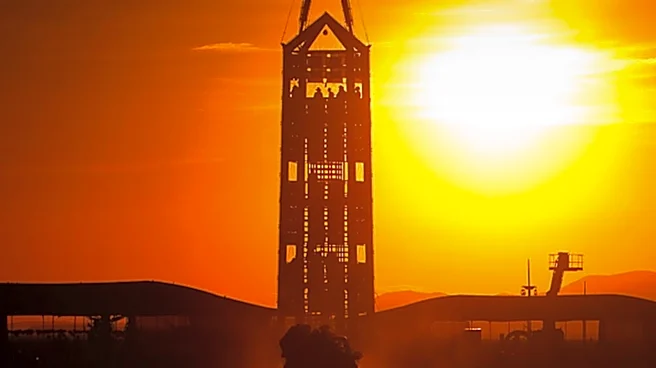
The Burning Man festival, which began in 1986 as a small beach gathering in San Francisco, has evolved significantly from its countercultural roots. Initially founded by Larry Harvey and Jerry James, who burned a wooden effigy, the event moved to Nevada's
Black Rock Desert in 1990 due to local regulations. Its early development was influenced by artistic movements such as Dadaism, the 1960s hippie counterculture, and the Cacophony Society, all of which promoted anti-consumerism and a gift economy. Following its relocation, the festival experienced rapid growth and organizational challenges, leading to the establishment of its 10 Principles to maintain its core communal values. Despite its anti-commercial beginnings, Burning Man has increasingly attracted tech elites and cryptocurrency entrepreneurs, resulting in higher ticket prices and the emergence of luxurious, commodified camps. This shift has presented challenges to the festival's original egalitarian ethos, though co-founder Larry Harvey maintained that Burning Man represents a distinct culture rather than a fleeting countercultural rebellion.
Why It's Important?
The evolution of Burning Man highlights a broader tension between countercultural ideals and mainstream commercialization within American society. The festival's shift from a grassroots, anti-consumerist gathering to one that attracts wealthy tech entrepreneurs reflects changing demographics and economic influences on cultural movements. This transformation raises questions about the sustainability of alternative communities when faced with significant financial interest and growth. The increasing commodification, evidenced by rising ticket prices and luxury camps, challenges the festival's foundational principles of radical self-reliance, communal effort, and decommodification. This dynamic can alienate long-time participants who value the original ethos, potentially altering the community's character and accessibility. The ongoing debate within the Burning Man community about its identity—whether it remains a countercultural experiment or has become a mainstream event—mirrors similar discussions in other cultural phenomena that have experienced rapid growth and commercial success.
What's Next?
The ongoing evolution of Burning Man suggests continued discussions and potential adjustments regarding its core principles and future direction. As the festival continues to attract diverse participants, including those from the tech and business sectors, organizers may face increasing pressure to balance its countercultural origins with the demands and expectations of a broader audience. Future iterations of the event will likely continue to grapple with issues of accessibility, affordability, and the preservation of its unique cultural identity. The community may see further initiatives aimed at reinforcing its founding principles, or it may continue to adapt to the changing landscape of its participant base. The tension between its anti-commercial roots and its growing commercial appeal will remain a central theme in its development.
Beyond the Headlines
The trajectory of Burning Man offers a case study in the complex interplay between cultural movements, economic forces, and societal change. It illustrates how even movements founded on anti-establishment principles can be influenced and transformed by the very systems they initially sought to reject. The festival's struggle to maintain its egalitarian ethos amidst increasing wealth and commercial interest reflects broader societal debates about authenticity, community, and the impact of capitalism on cultural spaces. This phenomenon extends beyond Burning Man, touching upon how various subcultures and alternative communities navigate growth, popularity, and the potential for co-option. The ethical implications of wealth disparity within a community built on principles of gifting and decommodification also raise questions about social equity and inclusion in contemporary cultural events.