







What's Happening?
Repairing the skin barrier after contact dermatitis primarily involves three key habits: identifying and avoiding the trigger, consistently applying a bland, fragrance-free emollient, and washing with lukewarm water and a soap-free cleanser. According
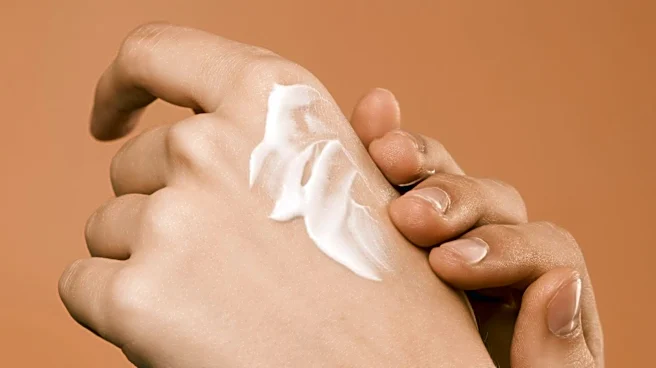
to the Mayo Clinic, contact dermatitis typically resolves within 2 to 4 weeks once the cause is identified and avoided. However, visible healing often precedes the full functional recovery of the skin barrier, meaning protection and moisturizing should continue even after the rash disappears. The outer layer of skin, damaged by inflammation and scratching, needs time to rebuild its lipid mortar, water content, and acidity. Emollients, particularly greasier ointments, are crucial for this process as they help reduce water loss and provide lipids. Barrier creams applied before exposure offer only modest and inconsistent benefits against allergens and should not replace avoidance or protective measures like gloves.
Why It's Important?
This guidance is critical for individuals suffering from contact dermatitis, as it debunks common misconceptions and provides a clear, evidence-based path to recovery. Misunderstandings, such as stopping treatment once the rash is gone or believing barrier creams offer complete protection, often lead to recurrent flare-ups. By emphasizing trigger avoidance and consistent emollient use, healthcare providers can empower patients to effectively manage their condition and prevent chronic issues. The distinction between irritant and allergic contact dermatitis is also vital, as it dictates the approach to identification and avoidance. For U.S. workers in professions involving frequent wet work or exposure to irritants, understanding proper glove protocols and the limitations of barrier creams can significantly impact their occupational health and quality of life, potentially reducing lost workdays and healthcare costs associated with chronic skin conditions.
What's Next?
Patients with contact dermatitis are advised to continue their protective routine, including emollient application, for a period after the skin appears normal, as functional recovery lags behind visible healing. If the rash does not improve after two weeks of consistent avoidance and emollient use, or if signs of infection (increasing pain, warmth, pus, spreading redness, fever) appear, medical consultation is necessary. For those whose jobs involve unavoidable irritants, discussions with care teams about glove protocols, task rotation, and potential occupational health referrals are recommended. The ongoing challenge for both patients and clinicians will be to accurately identify triggers, especially hidden allergens in seemingly 'gentle' products, and to maintain adherence to protective measures even when symptoms subside. Further research into more effective and allergen-free barrier-enhancing products may also emerge.
Beyond the Headlines
The persistent nature of contact dermatitis and the common pitfalls in its management highlight a broader issue in public health education regarding chronic skin conditions. The emphasis on 'boring' but effective solutions—bland, fragrance-free emollients and diligent avoidance—underscores the importance of fundamental care over quick fixes or trendy products. This situation also brings to light the potential for mislabeling or misleading marketing in the skincare industry, where terms like 'hypoallergenic' or 'natural' may not guarantee safety for sensitive skin. The need for patch testing to identify specific allergens points to the complexity of individual sensitivities and the limitations of general advice. Ultimately, effective management of contact dermatitis requires a holistic approach that combines medical guidance, patient education, and a critical evaluation of daily habits and product choices, reflecting a shift towards personalized and informed healthcare decisions.