






What's Happening?
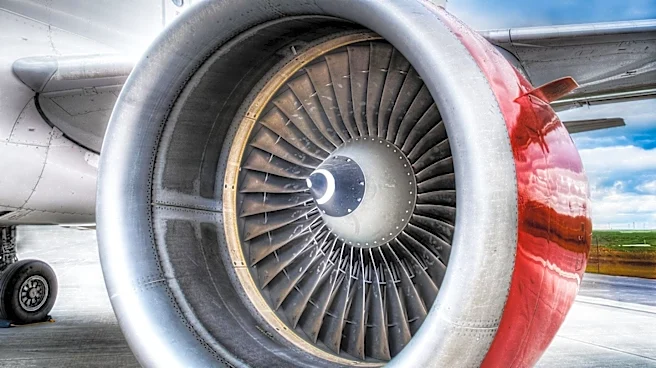
Rolls-Royce is advancing its Trent XWB-97 engine with a third phase of durability upgrades, building on its extensive in-service experience. The engine, which powers aircraft for over 13 hours daily, is undergoing enhancements to improve time on wing
and robustness under high-demand operations. The Phase 3 upgrade is informed by data from over 4 million engine flying hours and more than 300 overhauls. Rolls-Royce has completed component and system-level tests, confirming the performance aligns with design intent. The company plans to conduct further validation and durability testing throughout the year, with the upgraded engine expected to enter service in 2028.
Why It's Important?
The Trent XWB-97 engine upgrades are crucial for maintaining Rolls-Royce's competitive edge in the aerospace industry. By enhancing engine durability and performance, Rolls-Royce aims to meet the increasing demands of long-haul operations and improve customer satisfaction. The upgrades also reflect the company's commitment to leveraging in-service data to drive innovation and efficiency. As airlines seek more reliable and cost-effective solutions, the improved engine could attract new customers and strengthen Rolls-Royce's market position. The focus on sustainability and operational efficiency aligns with broader industry trends towards reducing environmental impact and operational costs.
What's Next?
Rolls-Royce will continue its rigorous testing program, including ground assurance and flight tests, to validate the upgraded engine's performance. The company plans to refine component designs based on test results and ensure the engine meets the Entry into Service standard by 2028. As the aerospace industry evolves, Rolls-Royce's ability to deliver reliable and efficient engines will be critical to its success. The company may also explore further innovations in engine technology to address future market needs and environmental challenges.